
Plants
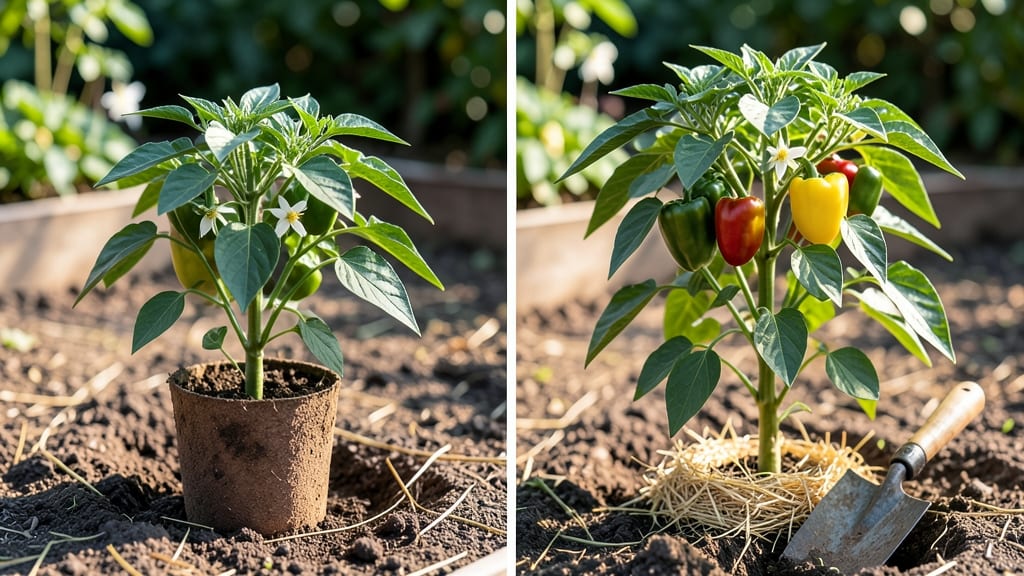
If you're dreaming of a bountiful harvest of crisp, homegrown 🌶️ bell peppers this summer, when to plant bell peppers in Kansas is the first question to answer—especially in the state’s unpredictable climate.
Planting too soon risks frost damage, while waiting too long means missing the sweet spot for heat-loving peppers to thrive.
For Kansas gardeners in USDA Zone 6a, the ideal window stretches from mid-April to early June, after the last frost date (usually around April 15). But here's the catch: soil temperature matters just as much as calendar dates—peppers need warmth to germinate and grow.
Whether you're starting seeds indoors or direct-sowing, I'll break down the exact schedule to maximize your harvest from July through October. You'll learn how to pick the right varieties for Kansas' short season and avoid common mistakes that sabotage pepper crops.
Let's dive into the heat-ready schedule that'll have your garden bursting with flavor—without the guesswork. Your future bold harvests start with the right timing.
Kansas bell pepper planting calendar: frost dates & heat zones
Kansas’ USDA Zone 5-7 climate means bell pepper planting hinges on last frost dates and soil warmth. Most areas see their final frost around April 15, but rural spots may linger until early May. Peppers need 70°F+ soil to thrive—wait for consistent warmth before planting.
Your city’s microclimate matters: Wichita’s hotter summers allow earlier transplants, while Kansas City’s cooler springs may delay planting by 1-2 weeks. Rural areas often have shorter growing seasons due to cooler nights, so plan accordingly.
For direct-sown seeds, aim for mid-May to early June after all frost risk passes. If starting indoors, begin seeds 8-10 weeks before last frost (early March) for transplant-ready seedlings by late April.
Here’s your Kansas bell pepper timeline broken down by stage, with city-specific adjustments:
| Stage | Kansas City | Wichita | Rural Areas | Soil Temp |
|---|---|---|---|---|
| Start Seeds Indoors | Early March | Late February | Mid-March | 65-70°F |
| Last Frost Date | April 22 | April 15 | May 5 | 50°F+ |
| Transplant Seedlings | Late April | Mid-April | Early May | 70°F+ |
| Direct Sow Seeds | Mid-May | Early May | Late May | 75°F+ |
| First Harvest | Early July | Late June | Mid-July | N/A |
Use a soil thermometer to confirm 70°F+ soil before planting—peppers won’t germinate in cooler soil. In Zone 6a (most of Kansas), this typically means waiting until late April to early May for transplants.
For succession planting, stagger seeds every 2-3 weeks from May through early June. This ensures a continuous harvest until first frost in October. Choose heat-tolerant varieties like ‘Jupiter’ or ‘Carolina Wonder’ for Kansas’ short but hot summers.
Pro tip: Black plastic mulch warms soil faster and extends the season by 1-2 weeks. Lay it down 2-3 weeks before planting to boost soil temperature without risking frost damage.
If you’re in northern Kansas (Zone 5), prioritize early-maturing varieties (60-70 days to harvest) to beat the shorter growing season. Southern Kansas gardeners can afford slightly slower varieties (70-90 days) thanks to longer heat exposure.
Remember: Peppers hate cold. Even a light frost can kill plants, so always check your local frost-free date and adjust planting accordingly. Use row covers for extra protection if late frosts sneak in.
How to extend Kansas’ growing season for bell peppers
Kansas’ short growing season doesn’t have to limit your bell pepper harvest. With the right strategies, you can enjoy fresh peppers from late June through October. The key is combining heat-loving varieties with season-extending tools to protect your plants from early frosts and late-season heat stress.
Start by choosing fast-maturing varieties like ‘Jupiter’ (60 days) or ‘Carolina Wonder’ (70 days), which thrive in Kansas’ climate. These varieties can handle the state’s hot summers while still producing before the first frost in mid-October.
Pair them with techniques like row covers or cold frames to push your harvest even later.
🔢 5 Proven Ways to Extend Your Kansas Pepper Harvest
- Succession Planting: Sow seeds every 2-3 weeks from April to June for staggered harvests.
- Row Covers: Use lightweight fabric to protect plants from light frosts (down to 28°F) and extend harvests by 3-4 weeks.
- Cold Frames: Add 10-15°F protection and allow planting 4-6 weeks earlier or harvesting 2-3 weeks later.
- Heat-Tolerant Varieties: Choose ‘Carolina Wonder’ or ‘NuMex Sandia’ for 90°F+ tolerance.
- Drip Irrigation: Keep soil consistently moist during Kansas’ dry spells to prevent blossom drop.
Deciding between starting seeds indoors or direct-sowing outdoors depends on your timeline. For an earlier start, begin seeds indoors 8-10 weeks before the last frost (mid-February).
Use grow lights to provide 14-16 hours of light daily until transplanting after May 1, when soil temperatures consistently stay above 60°F.
If you prefer direct-sowing, wait until mid-May when nighttime temperatures are reliably above 55°F. This method is simpler but risks late frosts—always have row covers ready. For maximum yield, combine both methods: start a few seeds indoors for early planting and direct-sow later for a backup crop.
Don’t overlook soil preparation—amend your beds with compost or aged manure to improve drainage and fertility. Bell peppers thrive in well-draining soil with a pH of 6.0-6.8.
Add a 2-inch layer of mulch after planting to retain moisture and regulate soil temperature, which is especially critical during Kansas’ hot July afternoons.
With these strategies, you’ll turn Kansas’ 60-70 frost-free days into a 120-day pepper festival. The secret? Start early, protect your plants, and choose varieties that match your local climate. Your taste buds—and dinner table—will thank you!