
Plants
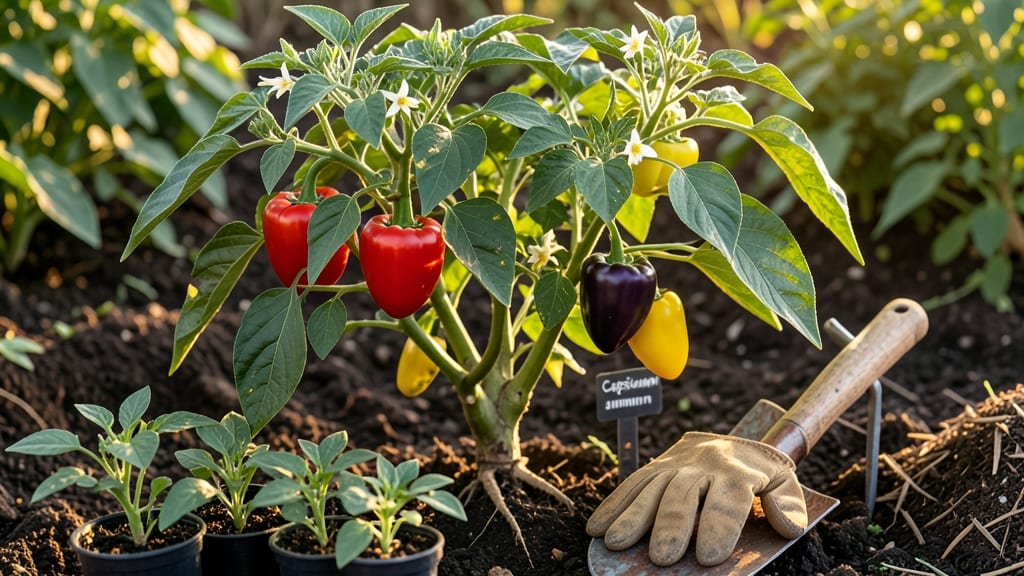
Knowing when to plant bell peppers in Missouri can mean the difference between a bumper crop and a sad, wilted 🌶️ disappointment. With Missouri’s unpredictable spring weather and varying USDA zones (5b-6b), timing is everything—get it wrong, and frost or heat will sabotage your harvest before it even starts.
Most gardeners in Missouri wait until after the last frost date (around April 15), but that’s just the beginning. Soil temperature is the real game-changer—bell peppers need consistent warmth (60°F+) to thrive, which might mean delaying planting until late May in cooler pockets of the state.
The key is balancing frost risk with heat tolerance.
Whether you’re starting seeds indoors or transplanting seedlings, this guide breaks down the zone-specific windows that work best for Missouri’s climate. We’ll cover how to adjust for microclimates, when to mulch for faster soil warming, and which varieties handle our summer heat waves like champions.
Ready to grow bold, flavorful peppers from July through October? Let’s dive into the exact timing and tricks that’ll turn your Missouri garden into a pepper powerhouse.
Missouri planting zones & ideal bell pepper start dates by month
Missouri’s USDA zones 5-7 create unique challenges for bell pepper growers. Unlike frost-sensitive tomatoes, bell peppers need consistent soil temperatures above 65°F to thrive—and Missouri’s spring can be unpredictable.
In Zone 5 (northwest), you’ll need to wait until late May for safe planting, while Zone 7 (southern Missouri) can start as early as mid-April.
For most Missouri gardeners, the ideal window falls between April 15 and May 15, but soil temperature—not just calendar dates—determines success. Use a soil thermometer to confirm 60°F+ soil before planting. In cooler microclimates (like the Ozarks), extend this window to May 1-June 1.
Here’s how to align your planting with Missouri’s three distinct zones, including last frost dates, heat tolerance thresholds, and transplanting tips:
| Zone | Last Frost Date | Soil Temp Requirement | Planting Window | Transplant Tip |
|---|---|---|---|---|
| Zone 5 (NW MO) | April 15 | 65°F+ soil | May 15–June 1 | Start seeds indoors March 15 |
| Zone 6 (Central MO) | April 1 | 60°F+ soil | April 15–May 1 | Use black plastic mulch |
| Zone 7 (S MO) | March 15 | 55°F+ soil | April 1–April 15 | Direct sow after March 15 |
If you’re starting seeds indoors, begin 8-10 weeks before your zone’s last frost date. For Zone 5, that means mid-March; for Zone 7, early February works. Use grow lights to prevent leggy seedlings, and harden off plants for 7-10 days before transplanting.
Missouri’s summer heat (90°F+) can stress bell peppers if planted too early. In Zone 6 and 7, aim to have peppers fully established by June 1 to avoid blossom drop during heat spikes. Use shade cloth (30-50%) during peak afternoon heat if needed.
For container growing, adjust your timeline by 2-3 weeks later since pots heat up faster. Choose 5-gallon containers with drainage holes, and place them in south-facing spots to maximize warmth. In Zone 5, delay container planting until June 1 to avoid early-season frost risks.
Pro tip: Test your soil 2 weeks before planting. Missouri’s clay-heavy soils often need compost or aged manure to improve drainage. Aim for a pH of 6.0-6.8—bell peppers thrive in slightly acidic to neutral soil. Add 1 inch of compost to the top 6 inches of soil before planting.
Missouri’s fall harvest window extends until first frost (mid-October), but peppers need 90-120 days to mature. Plan succession plantings every 2-3 weeks from May to July to stagger harvests. In Zone 5, your last planting should be by July 15 to ensure peppers ripen before frost.
🌶️
How heat tolerance affects bell pepper growth in Missouri’s summer
Missouri’s summer heat—especially in zones 6 and 7—can turn your bell pepper plants into stressed, fruitless shadows if you’re not prepared. While these peppers thrive in 70-85°F soil, prolonged 90°F+ temperatures slow growth, stunt fruit production, and even cause blossom drop.
The key? Adjusting your planting schedule, watering routine, and mulching strategy to keep roots cool while leaves stay hydrated.
For example, in St. Louis (Zone 6a), planting too early in May risks heat stress by July, while late June starts may not mature before frost.
Meanwhile, in Southeast Missouri (Zone 7a), the window stretches later—but even there, a heat wave in August can halt pepper development for weeks. Understanding these patterns lets you time transplants for optimal heat tolerance.
🌶️ Pro Tip: Use a soil thermometer to confirm 65°F+ soil temps before planting. If your garden hits 90°F+ air temps regularly, opt for shade cloth (30-50%) during peak afternoon sun to protect developing peppers.
⚠️ Heat Stress Warning: Signs Your Peppers Are Overheated
- Wilting leaves despite moist soil (heat exhaustion)
- Blossoms dropping before fruiting (pollination failure)
- Peppers cracking or turning bitter (rapid growth stress)
- Yellowing lower leaves (root system struggling)
💧 Fix It: Water deeply at soil level (not overhead) in early morning, and apply 2-3 inches of mulch to insulate roots.
Another critical factor is succession planting. Instead of one massive transplant in May, stagger 3-4 plantings every 2 weeks from late May through early July. This ensures a continuous harvest—early batches mature before the worst heat arrives, while later ones benefit from cooler September weather.
For instance, a June 1 transplant in Zone 6a will bear peppers in August, just as temps dip slightly.
Missouri’s humidity also plays a role—high moisture levels during heat waves increase fungal risks like powdery mildew. To combat this, space plants 18-24 inches apart for airflow, and avoid wet foliage by watering at the base.
A drip irrigation system is ideal for maintaining consistent moisture without stressing plants.
Finally, choose heat-tolerant varieties like ‘Jupiter’ or ‘Carolina Wonder’, which handle 90°F+ temps better than standard types. These varieties also produce fruit faster (60-70 days to maturity), giving them a better shot at surviving Missouri’s short growing season.
Pair them with black plastic mulch to raise soil temps by 5-10°F—a game-changer in cooler zones.
By accounting for heat tolerance in your planting plan, you’ll maximize yields and avoid the heartbreak of peppers that stop growing mid-summer. Start with the right timing, then adjust care as temperatures rise—your harvest will thank you! 🌿