Plants
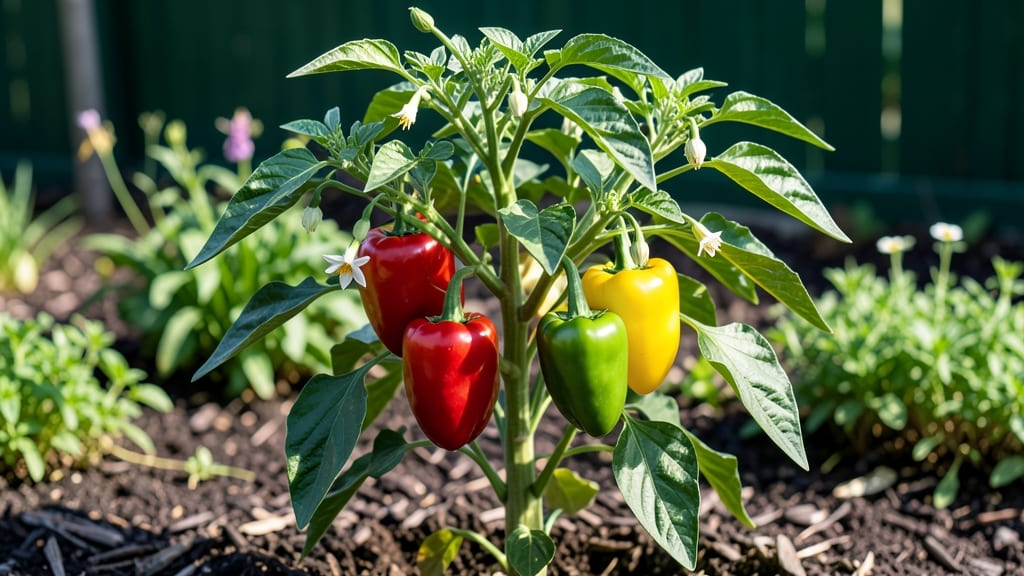
If you're wondering how tall does a pepper plant grow, you're not alone—many gardeners struggle with space planning when planting 🌶️ peppers. The truth is, these plants can range from compact dwarfs to towering giants, depending on the variety and growing conditions.
From the bushy, 1-2 foot dwarf varieties perfect for containers to the 3-4 foot standard types that need sturdy support, knowing your pepper’s mature height is key to avoiding overcrowding.
Whether you're working with bell peppers, jalapeños, or habaneros, each type has its own growth habits that can transform your garden layout.
But here’s the game-changer: with the right pruning, trellising, or container choices, you can control their height and maximize your harvest—even in small spaces. Let’s break down what to expect from different varieties and how to keep them thriving without taking over your yard.
Ready to plan your pepper patch? You’ll learn which types stay short, which need support, and how to save space while still getting a bumper crop. Let’s get growing!


Pepper plant heights by variety: from dwarf to towering giants
Pepper plants come in a surprising range of heights—some stay compact enough for windowsill containers while others reach towering heights of 4 feet or more. The variety you choose determines not just how tall your plants will grow, but also how much space you'll need to dedicate to them.
For example, dwarf varieties like 'Snack Pepper' stay under 2 feet tall, while tall giants like 'Big Jim' bell peppers can stretch to 4 feet or taller without support.
Understanding these height differences helps you plan your garden layout, choose the right containers, and even decide whether to use trellises or cages to manage growth. Some varieties grow bushy and wide, while others develop tall, leggy stems that need staking.
Let's break down the most popular pepper varieties by their mature heights so you can pick the perfect fit for your space.
🌶️ Pro Tip: Always check seed packets or plant tags for height ranges—some varieties can vary by up to a foot depending on growing conditions!
| Variety | Type | Mature Height | Growth Habit | Best For |
|---|---|---|---|---|
| 'Snack Pepper' | Sweet Bell | 12-18 inches | Compact bush | Containers, small spaces |
| 'Jalapeño M' | Hot Pepper | 24-36 inches | Bushy, upright | Gardens, raised beds |
| 'Big Jim' | Sweet Bell | 36-48 inches | Tall, leggy | Trellises, large gardens |
| 'Carolina Reaper' | Extreme Heat | 24-36 inches | Medium bush | Heat lovers, containers |
| 'Fish Pepper' | Hot Pepper | 18-24 inches | Dwarf, bushy | Small gardens, windowsills |
| 'Habanero 'Red Savina'' | Extreme Heat | 24-36 inches | Medium bush | Warm climates, containers |
If you're working with limited space, dwarf varieties like 'Snack Pepper' or 'Fish Pepper' are ideal for containers or windowsills. These stay under 2 feet tall and produce plenty of peppers without needing staking.
For larger gardens, varieties like 'Big Jim' or 'Jalapeño M' thrive when given more room to spread, especially if you provide support structures like cages or trellises.
Some varieties, like habaneros, grow taller but leaner, making them perfect for vertical gardening. I've seen 'Red Savina' habaneros reach 3 feet tall with minimal pruning, but they produce dense clusters of fruit along their stems.
The key is to match your garden layout with the growth habit of the variety you choose.
For first-time growers, I recommend starting with medium-height varieties like 'Jalapeño M' or 'Carolina Wonder' bell peppers. These strike a balance between manageable size and high yields, giving you plenty of peppers without requiring specialized support. Plus, they're more forgiving if you accidentally overcrowd them slightly.
Remember, height isn't
How to save space for tall pepper plants: pruning, training & container hacks
Tall pepper plants can quickly overwhelm small gardens or containers if left unmanaged. The good news? With the right techniques, you can control height while maximizing yield. Pruning, trellising, and container selection are your best tools to keep plants compact and productive—even in limited spaces.
Start by choosing the right container size for your variety. Dwarf varieties like 'Snackable' bell peppers thrive in 5-gallon pots, while taller types like 'Carolina Wonder' need 7-10 gallons to support their roots. Deep containers prevent root-bound stress, which can stunt growth or cause leggy stems.
🌱Visual Tip: Use a comparison-table to see how container size impacts height growth across pepper varieties.
| Variety | Mature Height | Ideal Container Size | Space-Saving Tip |
|---|---|---|---|
| 'Snackable' Bell Pepper | 12–18" | 5-gallon pot | Prune side shoots |
| 'Jalapeño M' (Mini) | 18–24" | 7-gallon pot | Use a trellis |
| 'Carolina Wonder' | 36–48" | 10-gallon pot | Top prune at 24" |
| 'Habanero 'Red Savina' | 24–36" | 7-gallon pot | Cage support |
For tall varieties, trellising or caging is a game-changer. Install a 5-foot bamboo stake or tomato cage at planting time to guide vertical growth. This not only saves space but also improves air circulation, reducing fungal risks like powdery mildew.
Pruning is another key strategy. Top pruning (cutting the main stem) encourages bushier growth, while side shoot removal redirects energy to fruit production. For example, pinch off the first few flowers on 'Carolina Wonder' peppers to promote a sturdier stem before it gets too tall.
🪴Pro Tip: Use companion planting with shorter plants like basil or marigolds to fill gaps under tall peppers. This creates a multi-level garden that maximizes every inch of space while boosting pollination.
Finally, light and nutrients play a huge role in height control. Over-fertilizing with nitrogen can lead to excessive foliage and leggy growth. Instead, use a balanced 10-10-10 fertilizer and supplement with compost for steady, controlled growth.