
Plants
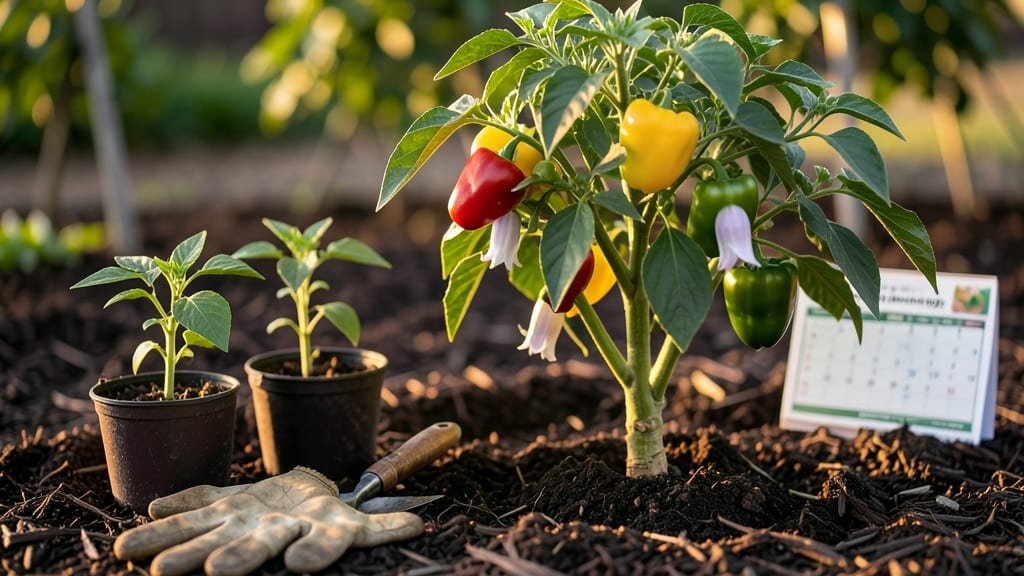
Knowing when to plant bell peppers in Arkansas can mean the difference between a bountiful harvest and wasted effort. With Arkansas' 7a-8a climate zones and unpredictable frost dates, timing is everything for your 🌶️ plants.
Plant too early, and a late frost could wipe out your seedlings. Too late, and you might miss the sweet, juicy peppers you love.
Most Arkansas gardeners swear by planting bell peppers after the last frost—typically mid-April to early May—but there's a trick for fall harvests too. If you're aiming for a late-season crop, late July to early August is your window.
The key is waiting until soil temperatures hit at least 60°F, giving your peppers the warm start they crave.
Don't worry if you're new to this—we'll break down the exact frost-free countdown and heat-tolerant varieties that thrive in Arkansas' humidity. Whether you're transplanting seedlings or starting seeds indoors, you'll learn how to stretch your growing season and avoid common mistakes that kill pepper plants.
Ready to grow your best crop yet? Let's dive into the perfect planting schedule, variety recommendations, and pro tips to keep your bell peppers producing all season long. Your garden—and your taste buds—will thank you!
Arkansas bell pepper planting timeline: frost dates & heat zones explained
Arkansas gardeners face a 210-day growing window between the last frost (March 15) and first frost (November 15). Bell peppers need warm soil (60°F+) and consistent heat—planting too early risks frost damage, while late planting may yield small harvests before cold sets in.
Let’s break down the ideal transplant windows for Arkansas’ USDA Zones 7a-8a.
Northern Arkansas (Zones 7a-7b) has shorter heat seasons, so aim for mid-April to early May transplants after soil warms. Southern Arkansas (Zones 8a-8b) can start slightly earlier (late March to mid-April) due to milder winters.
Always check your local frost-free date—Little Rock’s average is April 15, while Fayetteville’s is April 20.
For a fall harvest, plant late July to early August—this gives peppers 80-90 days to mature before frost. Use row covers to extend the season by 2-3 weeks if needed. Remember: Soil temperature matters more than air temperature—use a soil thermometer to confirm 60°F+ before planting.
| Zone & City | Last Frost | Ideal Transplant Window | Fall Planting Window | Soil Temp Threshold |
|---|---|---|---|---|
| 7a (Fayetteville) | April 20 | May 1-15 | July 25-Aug 5 | 60°F+ |
| 7b (Little Rock) | April 15 | April 25-May 10 | July 20-Aug 1 | 60°F+ |
| 8a (El Dorado) | March 20 | March 30-April 15 | July 15-July 30 | 60°F+ |
Adjust your planting timeline if your spring is unusually cold or warm. For example, if frost lingers past April 30, wait until May 15 to transplant. Conversely, if warm weather arrives early, you can plant 3-4 weeks ahead of the average date.
Always monitor weather forecasts and soil conditions—Arkansas’ humidity and heat can accelerate growth, so stay flexible.
If you’re starting seeds indoors, begin 8-10 weeks before your last frost date. Use grow lights to provide 12-14 hours of light daily—bell pepper seedlings need strong stems to handle Arkansas’ summer storms. Harden off seedlings for 7-10 days before transplanting to avoid shock.
For container gardening, choose compact varieties like ‘Aristotle’ and plant in 5-gallon pots with well-draining soil. Containers warm up faster than ground soil, so you can plant 1-2 weeks earlier than in-ground peppers.
Just ensure pots are in a sunny, sheltered spot to protect from late spring frosts.
Arkansas’ summer heat (often exceeding 90°F) can stress bell peppers, causing blossom drop. To mitigate this, use mulch to keep roots cool and water deeply in the morning. Avoid overhead watering to prevent fungal diseases like pepper blight, which thrives in Arkansas’ humid conditions.
Pro tip: Plant basil or marigolds nearby—they repel pests like aphids and spider mites, which love Arkansas’ warm, sticky summers. These companion plants also improve flavor and yield by enhancing pollination. Always rotate crops yearly to prevent soil-borne diseases.
Track your planting progress with a gardening journal. Note when you planted, soil temps, and first harvest dates—this helps refine your timeline for next year. Arkansas’ microclimates mean what works in Mountain View (Zone 7a) may differ from El Dorado (Zone 8a), so adapt as needed.
With the right timing and care, you’ll enjoy homegrown bell peppers from July through October—or even later with season-extending tricks. Happy planting! 🌱🌶️
Best heat-tolerant bell pepper varieties for Arkansas summers
Arkansas summers bring sweltering heat and high humidity—perfect conditions for some bell pepper varieties but deadly for others. The key to success is choosing heat-tolerant varieties that thrive in Arkansas' USDA Zones 7a-8a.
My top picks are Carolina Wonder, Jupiter, and Aristotle, all bred to handle our climate's challenges while delivering sweet, flavorful peppers.
These varieties aren't just heat-resistant—they're also disease-resistant, which is crucial in Arkansas' damp summers. For example, Carolina Wonder boasts blossom-end rot resistance, while Jupiter handles humidity better than most commercial types.
Even hot pepper lovers can try Aristotle, a hybrid that produces both sweet and spicy peppers on the same plant!
🌶️ Pro Tip: Look for varieties labeled "heat-tolerant" or "humidity-resistant" when shopping. Local Arkansas nurseries often carry these, or you can order seeds from reputable suppliers specializing in Southern climates.
Top Arkansas Bell Pepper Varieties
🌿 Carolina Wonder
- 🔹 Days to maturity: 70-75
- 🔹 Color: Green, red, yellow
- 🔹 Heat tolerance: Excellent (90°F+)
- 🔹 Disease resistance: Blossom-end rot, bacterial spot
- 🔹 Best for: Fresh eating, stuffing
🌶️ Jupiter
- 🔹 Days to maturity: 65-70
- 🔹 Color: Green, red
- 🔹 Heat tolerance: Very high (handles humidity well)
- 🔹 Disease resistance: Viruses, powdery mildew
- 🔹 Best for: Grilling, roasting
If you prefer hot peppers, consider Cayenne or Jalapeño varieties like Early Jalapeño, which mature in just 60 days. These handle Arkansas' heat better than most and add a spicy kick to your garden.
For ornamental value, Purple Beauty produces stunning purple peppers that turn red when ripe!
🌱 Variety Selection