
Trees
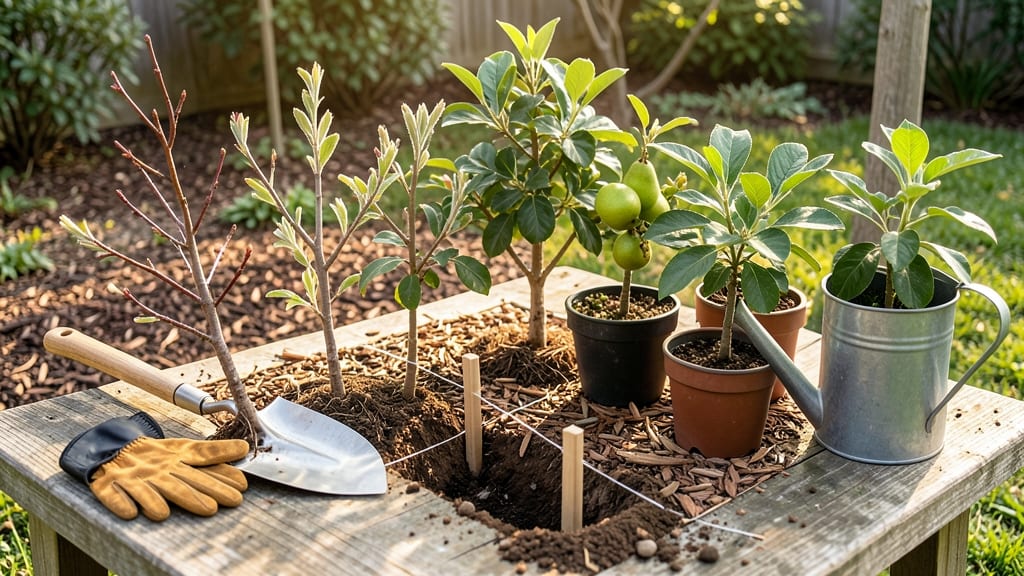
New Zealand fruit tree planting calendar by region (avoid frost zones)
New Zealand’s diverse climate means your fruit tree planting window can vary by hundreds of days between regions. In Auckland, you might plant citrus in late winter, while Central Otago gardeners wait until late spring to avoid frost.
The key is aligning planting with your last frost date and soil warmth—both critical for root establishment.
NIWA’s frost-free date maps are your best friend here. For example, Wellington typically sees its last frost around mid-September, while Dunedin can linger until late October. Planting too early risks frost damage to tender roots, while waiting too long may stunt early growth.
Let’s break down the ideal planting windows for New Zealand’s major fruit-growing regions.
Soil temperature is just as important as air temperature. Most fruit trees thrive when soil reaches 10°C (50°F). Use a soil thermometer to check—this is especially critical for stone fruits like peaches and nectarines, which are frost-sensitive. In Hawke’s Bay, this often means planting in early August, while Nelson may wait until mid-September.
Here’s how to match your region’s climate to the perfect planting time:
| Region | Last Frost Date | Ideal Planting Window | Soil Temp Goal | Best Fruit Trees |
|---|---|---|---|---|
| Northland | Late July | Early July - Mid-August | 10-12°C (50-54°F) | Citrus, Feijoa, Avocado |
| Auckland | Mid-August | Late July - Early September | 10-12°C (50-54°F) | Apple, Pear, Plum |
| Waikato | Early September | Mid-August - Late September | 10-12°C (50-54°F) | Peach, Nectarine, Cherry |
| Hawke’s Bay | Late August | Early August - Mid-September | 12-14°C (54-57°F) | Stone Fruits, Kiwifruit |
| Canterbury | Mid-October | Late September - Early November | 10-12°C (50-54°F) | Apple, Pear, Apricot |
| Otago | Late October | Early October - Mid-November | 10-12°C (50-54°F) | Apple, Cherry, Rhubarb |
| Marlborough | Early October | Late September - Early November | 10-12°C (50-54°F) | Apple, Pear, Kiwifruit |
Notice how Northern regions like Northland and Auckland have earlier planting windows? This aligns with their warmer microclimates and earlier frost-free dates. Meanwhile, Southern regions like Otago and Canterbury must wait until spring’s last frost has passed.
Always check your local NIWA frost alerts for real-time adjustments—especially in years with unpredictable weather patterns.
Best fruit trees for New Zealand’s microclimates and their planting secrets
New Zealand’s diverse climate zones—from subtropical Northland to alpine Southland—mean not all fruit trees thrive everywhere. Choosing the right variety for your region is key to avoiding frost damage and maximizing yields.
For example, citrus trees like lemons and oranges love the warmth of Auckland, while apples and cherries prefer the cooler Canterbury climate. Let’s dive into the top 5 frost-resistant varieties and the secrets to planting them successfully.
Start with rootstock selection, which determines tree size and hardiness. Dwarf rootstocks (like M9 for apples) are perfect for small gardens, while semi-dwarf varieties (such as MM106 for stone fruits) balance size and productivity.
Always check with local nurseries—they’ll know which rootstocks perform best in your microclimate. For instance, Hawke’s Bay’s dry summers favor drought-tolerant rootstocks like St. Julien A for peaches.
Soil preparation is another critical step. Most fruit trees prefer well-draining, slightly acidic soil (pH 5.5-6.5), but citrus trees need sandy, well-drained soil to prevent root rot. Amend heavy clay soils with organic matter like compost or pine bark to improve drainage.
In Otago’s colder regions, add a layer of gravel or coarse sand to protect roots from waterlogging during winter.
🍎 Apples (Best for North Island & Canterbury)
✅ Varieties: Gala, Braeburn, Granny Smith
🌱 Planting Secret: Use M9 rootstock for dwarf trees; plant in full sun with windbreaks to prevent frost scorch.
🍑 Peaches & Nectarines (Thrive in Hawke’s Bay & Marlborough)
✅ Varieties: Redhaven, Fantasia, Starlite
🌱 Planting Secret: Choose late-blooming varieties to avoid spring frost; mulch with straw for winter protection.
🍒 Cherries (Ideal for Nelson & Central Otago)
✅ Varieties: Stella, Lapins, Rainier
🌱 Planting Secret: Plant in sheltered spots; cherries need cross-pollination, so plant at least two varieties.
🍋 Citrus (Lemons, Oranges) (Perfect for Northland & Bay of Plenty)
✅ Varieties: Eureka Lemon, Navel Orange
🌱 Planting Secret: Use large containers for winter protection; avoid waterlogged soil.
🍑 Plums & Apricots (Adaptable to Most Regions)
✅ Varieties: Santa Rosa Plum, Moorpark Apricot
🌱 Planting Secret: Prune in late winter to remove weak growth; mulch heavily in winter.
After planting, focus on post-planting care to ensure your trees establish well. Water deeply once a week for the first two months, then taper to every 10-14 days once roots are established.
Apply a balanced fertilizer (e.g., 10-10-10) in early spring and again after harvest. In drought-prone areas like Canterbury, use drip irrigation to conserve water and prevent stress.
Finally, monitor for pests and diseases like fruit fly (common in citrus) or silver leaf fungus (a threat to apples). Regularly inspect leaves and fruit, and act quickly if you spot issues. For example, neem oil is effective against aphids, while copper sprays can prevent fungal diseases.
With the right variety and care, your fruit trees will reward you with bountiful harvests for years to come!