
Plants
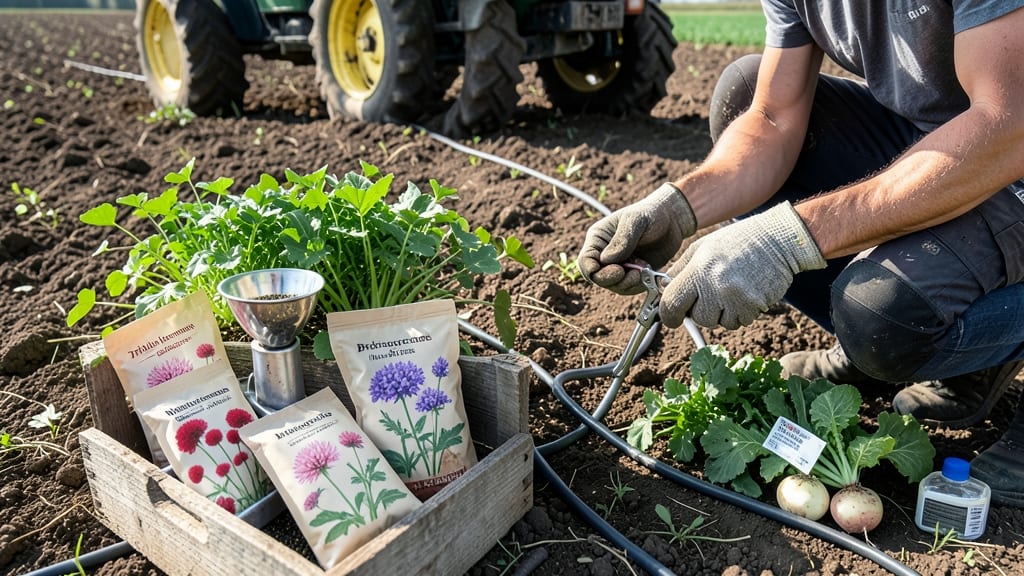
Knowing when to plant food plots in Alabama isn’t just about picking a month—it’s about dodging bolting, avoiding wasted seeds, and timing your plots to match Alabama’s tricky climate. One wrong week could mean the difference between a lush 🌾 plot teeming with deer and a patch of dried-up disappointment.
Alabama’s 7a-8b zones throw curveballs with unpredictable frost dates and humidity swings, so blanket advice won’t cut it. Whether you’re in North Alabama’s cooler hills or South Alabama’s warmer lowlands, the perfect planting window shifts dramatically—and I’ll show you exactly how to nail it.
Spring plantings in February-March set the stage for summer forage, while fall plantings in August-September ensure winter food for hungry deer. But here’s the kicker: even within these windows, soil temperature and local weather dictate the exact day you should drop those seeds.
Skip the guesswork and learn the region-specific rules that separate successful plots from failed experiments. Let’s get your food plots growing when—and where—they’ll thrive.
Alabama’s food plot planting calendar by region: exact months to avoid bolting
Alabama’s three distinct regions—North, Central, and South—each demand different planting strategies to avoid bolting and maximize deer appeal. In North Alabama (USDA Zones 6b-7a), cooler temperatures mean earlier planting windows, while South Alabama (Zones 8a-8b) can support warm-season crops year-round.
Central Alabama sits in the middle, requiring careful timing to balance both extremes.
For all regions, the last frost date is your golden rule. In North Alabama, this typically falls around mid-March, while South Alabama may see frost-free conditions as early as mid-February.
Central Alabama usually aligns with late February to early March. Planting too early risks frost damage, while waiting too long can lead to bolting or poor germination.
Here’s the breakdown you need to nail your planting schedule by region, crop type, and soil readiness:
| Region | Cool-Season Crops (Clover, Brassicas, Rye) | Warm-Season Crops (Sorghum, Millets, Cowpeas) | Soil Temp Trigger | Deer Activity Peak |
|---|---|---|---|---|
| North Alabama | Late February - Early March | Mid-April - Early May | 45°F+ for germination | Spring (April) & Fall (October) |
| Central Alabama | Early March - Mid-March | Late April - Early May | 50°F+ for germination | Spring (March-April) & Fall (September) |
| South Alabama | Mid-February - Early March | Early April - Mid-May | 55°F+ for germination | Spring (March) & Fall (October-November) |
For cool-season crops like clover and brassicas, aim to plant 4-6 weeks before your region’s last frost. This gives seedlings time to establish roots before winter sets in. In North Alabama, this means late February plantings, while South Alabama growers can start as early as mid-February.
Warm-season crops like sorghum and millets thrive after the last frost when soil temperatures consistently stay above 60°F. In North Alabama, this window opens in mid-April, while South Alabama can plant as early as early April.
Always check a soil thermometer to confirm readiness—50°F+ is ideal for germination.
Pro tip: Use succession planting to extend deer appeal. After harvesting a cool-season plot in May, transition to a warm-season mix like cowpeas or sunflowers for summer browsing. In South Alabama, you can even plant a fall cool-season plot in September for late-year activity.
Regional microclimates matter too. For example, Northwest Alabama (near the Tennessee Valley) can experience late frosts into April, while Southwest Alabama (near Mobile) rarely sees frost after mid-February. Always check local Alabama Extension Service frost maps or use a frost-free date calculator for precision.
Timing your food plots isn’t just about avoiding frost—it’s about aligning with deer feeding patterns. Plant cool-season crops in early spring for rut preparation (April) and fall crops in September for peak pre-rut activity.
A well-timed plot can mean the difference between a thin doe and a healthy buck on your property.
Don’t overlook soil preparation either. Test your soil’s pH (6.0-7.0 ideal) and add lime or sulfur as needed 4-6 weeks before planting. In North Alabama, this means prepping in January, while South Alabama can start in December.
Proper soil health ensures your seeds germinate quickly and avoid bolting from stress.
Finally, keep an eye on rainfall forecasts. Alabama’s unpredictable weather can turn a perfect planting window into a muddy mess. Aim to plant when soil is workable (not soggy) and dry enough to crumble. If rain is forecasted, adjust your schedule to avoid washing out seeds.
How soil temperature and weather patterns dictate your planting success
Alabama’s soil temperature and weather patterns can make or break your food plot—planting too early risks frost damage, while waiting too long means missed growth windows.
For example, cool-season crops like clover need soil temps below 60°F to germinate, while warm-season mixes like sorghum thrive only when soil hits 65°F+. Ignoring these triggers often leads to bolting or stunted growth.
One of my biggest mistakes was planting brassicas in late February without checking soil temps—resulting in slow germination and wasted seed. A soil thermometer (just $15) is your best friend here.
Aim for 55-65°F for cool-season crops and wait until 70°F+ for warm-season varieties. Check temps in the morning for accuracy.
🚨 CRITICAL WARNING: Late frosts in North Alabama (like the Tennessee Valley) can hit as late as mid-April. Planting warm-season crops before these frosts means lost investments. Use your local Alabama Extension office frost date maps to guide your timing—don’t guess!
⚠️ Alabama-Specific Weather Pitfalls
- North AL: Late frosts (March-April) can kill tender seedlings.
- Central AL: Flash droughts in May-June dry out plots fast.
- South AL: Hurricane season (June-November) can flood or delay planting.
Use NOAA forecasts and rainfall trackers to adjust planting dates dynamically.
Rainfall is another wild card. Alabama averages 50-60 inches annually, but dry spells in spring can stress young plants. Before planting, check your local 10-day forecast—aim for 0.5-1 inch of rain within 7 days of seeding.
If drought’s forecasted, use a drip irrigation system to keep seeds moist until germination.
Heat units (or growing degree days) are the secret sauce for timing. Cool-season crops need 1,200-1,500 GDDs to mature, while warm-season crops like sorghum-sudangrass require 2,000+ GDDs. Track these via Alabama A&M’s AgriMet tool to avoid over- or under-planting.
Pro tip: Plant warm-season crops in late May (after last frost) and cool-season crops in early September for a fall harvest. This two-pronged approach ensures year-round deer appeal while playing to Alabama’s climate strengths.
Finally, monitor humidity levels—Alabama’s 70-80% humidity can promote fungal diseases like powdery mildew. Space plants properly and avoid overhead watering to keep plots healthy. With these adjustments, you’ll turn Alabama’s quirks into advantages for lush, deer-attracting food plots. 🌱