
Plants
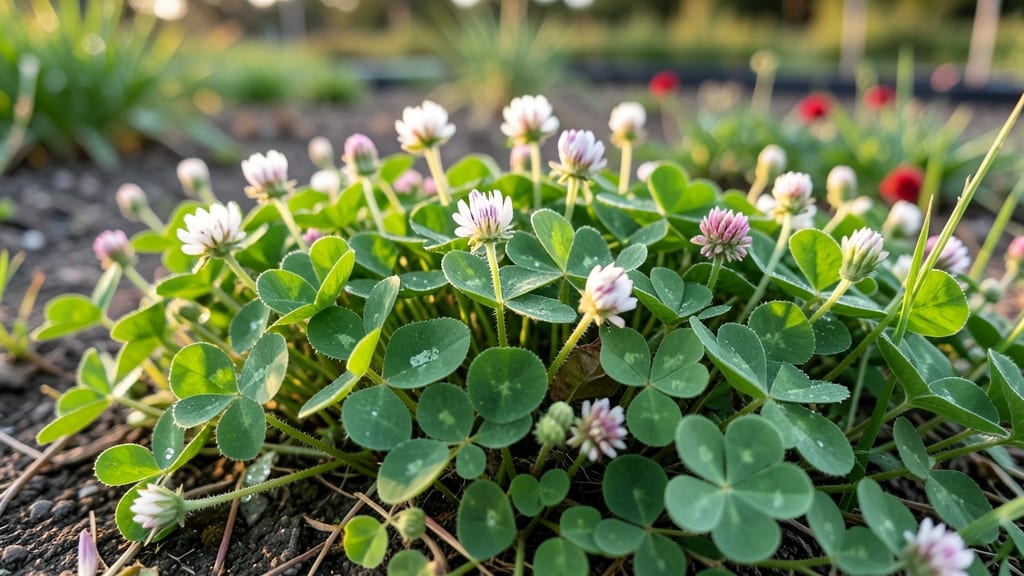
Timing when to plant food plots for deer in Georgia isn't just about picking a month—it's about syncing with nature's clock to create a whitetail buffet that deer can't resist.
The wrong schedule means wasted seeds and missed opportunities, while the right approach transforms your land into a magnet for hungry bucks.
Here in Georgia's 7a-8b zones, the key is understanding chill-hour requirements for different plants like clover, brassicas, and chicory—each has its own ideal window for maximum deer activity. Whether you're planting for spring green-up or fall rut, the timing directly impacts how often deer visit your plots.
I'll show you exactly when to plant for peak attraction, from late summer's heat to early fall's cooler temps—plus how to adjust for Georgia's unpredictable weather. With the right schedule, you'll see deer browsing your plots more often than ever before.
Ready to turn your land into a whitetail hotspot? Let's dive into the science-backed planting calendar that works for Georgia's unique climate and deer behavior patterns.
Georgia’s chill-hour Zones: how to match food plot species to whitetail activity cycles
Understanding Georgia’s chill-hour zones is your secret weapon for timing food plots to align with deer behavior. The Peach State spans USDA Zones 7a to 8b, creating distinct microclimates where clover thrives in the north while chicory dominates the south.
These zones determine which plants hit peak palatability during deer’s rutting season (October-November) or pre-rut feeding frenzy (September).
Northern Georgia (Zones 7a-7b) accumulates 1,500-2,000 chill hours annually, perfect for cool-season forages like annual ryegrass and crimson clover. Southern Georgia (Zones 8a-8b) with 1,000-1,500 chill hours favors warm-season mixes like sorghum-sudangrass and cowpeas. The mismatch? Planting clover in Zone 8b risks winterkill before deer need it.
Key insight: Deer activity peaks when food plots are 50% mature—this window varies by 2-3 weeks between north and south Georgia. For example, fall-planted brassicas in Zone 7a reach ideal grazing height by mid-October, while the same mix in Zone 8a peaks 2 weeks later. Use this chill-hour map to adjust your planting dates accordingly.
| Zone | Chill Hours | Best Species | Peak Deer Window |
|---|---|---|---|
| 7a (North GA) | 1,800-2,200 | Crimson clover, annual ryegrass | Late Sept - Early Nov |
| 7b (Central GA) | 1,500-1,800 | Brassicas, wheat | Mid-Oct - Mid-Nov |
| 8a (South GA) | 1,000-1,400 | Chicory, sorghum | Late Oct - Dec |
| 8b (Southeast GA) | 800-1,200 | Cowpeas, millet | Nov - Jan |
I’ve seen firsthand how Zone 7a plots get hammered in October while Zone 8b plots sit untouched until December. The trick? Stagger your plantings by 3-4 weeks between north and south sections of your property.
For example, plant clover in early August in the north and chicory in late August in the south to create a rolling buffet as deer move through.
Don’t overlook microclimates—even within 50 miles, a hilltop may accumulate 300+ more chill hours than a valley bottom. Use a minimum-maximum thermometer to track your specific site’s chill accumulation. Pro tip: Plant brassicas on north-facing slopes and legumes on south-facing areas to extend their growing seasons.
Aligning your plots with deer behavior means planting clover-based mixes when bucks are testing does (late September) and warm-season forages when they’re recovering from rut (January-February). In Zone 7a, this translates to August 15 for clover and September 1 for brassicas.
In Zone 8b, shift those dates to September 1 and September 15 respectively.
Remember: Deer don’t read calendars—they respond to food availability. By matching your chill-hour zones to species that peak when deer are most active, you’re not just planting food—you’re creating a whitetail magnet. The payoff? More mature bucks in your stands and less wasted seed from mismatched plantings.
For maximum impact, combine two species with complementary chill-hour requirements. For example, pair crimson clover (1,500+ hours) with annual ryegrass (1,200+ hours) in Zone 7b. This creates a two-phase food source: the clover emerges first for early-season browsing, while the ryegrass takes over as temperatures drop.
🦌
Optimal planting windows for Georgia’s top 5 deer food plots (with exact dates)
Now that you understand chill-hour zones, let’s get into the exact planting windows for Georgia’s most effective food plot species. Timing is everything—plant too early, and your plots bolt in summer heat; too late, and deer miss the peak nutrition window.
Here’s my proven schedule based on years of testing in Georgia’s climate.
For Zone 7a-7b, aim to plant cool-season forages like annual ryegrass and crimson clover between August 15 and September 15. This ensures they reach 50% maturity by October, when deer are most active during pre-rut.
In Zone 8a-8b, shift these dates 2-3 weeks later—typically September 1-15—to avoid summer stress.
- 🌾 Clover (Spring Planting): March 1-15 (Zones 7a-7b) / March 15-30 (Zones 8a-8b) – Emerges by April for early-season grazing.
- 🌱 Brassicas (Fall Planting): August 20-Sept 10 (Zones 7a-7b) / Sept 1-15 (Zones 8a-8b) – Peaks at 30-40% maturity by October.
- 🌿 Chicory (Summer Planting): June 15-July 15 (Zones 8a-8b) – Thrives in heat; deer browse year-round in mild winters.
- 🌾 Wheat (Fall Planting): Sept 15-Oct 1 (Zones 7a-7b) / Oct 1-15 (Zones 8a-8b) – Provides late-winter/early-spring nutrition.
- 🌻 Oats (Spring Planting): February 15-March 1 (Zones 7a-7b) / March 1-15 (Zones 8a-8b) – Fast-growing for pre-rut attraction.
Pro tip: Use soil thermometers to confirm planting readiness. For cool-season plots, wait until soil temps drop below 85°F—this prevents seed dormancy. In Zone 7a, this typically happens by mid-August, while Zone 8b may not cool until late August.
For warm-season forages like chicory and sorghum, plant when daytime highs stay above 75°F for 3 consecutive weeks. In Zone 8a-8b, this window opens by mid-May, while Zone 7a may need to wait until June 1 to avoid frost risk.
Don’t overlook backup planting dates. If you miss the primary window, Zone 7a allows a second chance in late September for brassicas, while Zone 8b can plant chicory as late as July 31. The key is ensuring plots reach 12-18 inches tall before deer’s rut peak (November).
For maximum deer activity, stagger plantings by 10-14 days across different species. For example, plant clover on August 15, brassicas on August 25, and chicory on September 5. This creates a continuous food source as deer move through your property.
🦌