
Plants
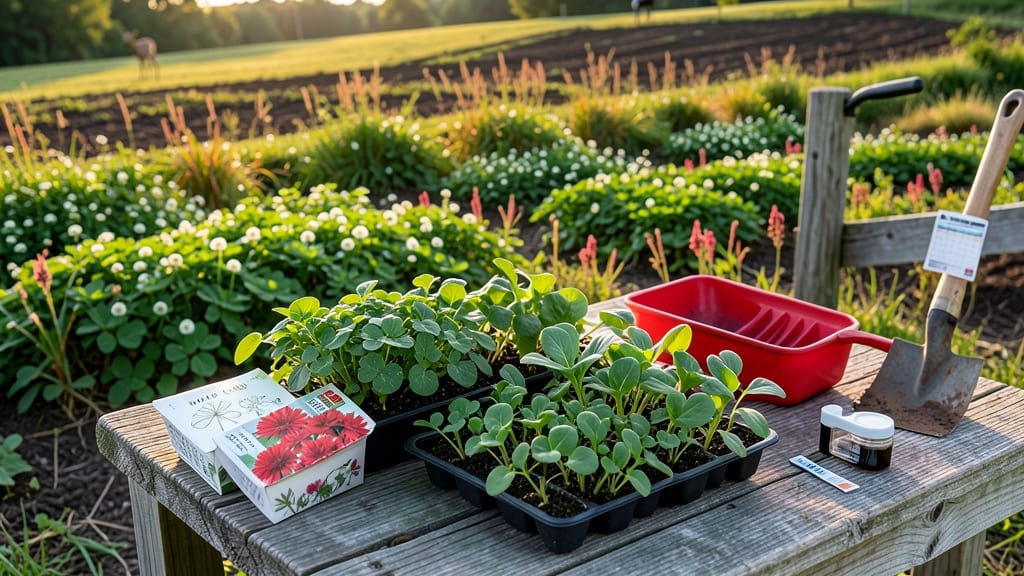
When to plant food plots in Georgia isn’t just about tossing seeds into the ground—it’s about creating a deer-hunting powerhouse that keeps whitetails fat, active, and coming back to your property season after season. One misstep in timing, and you’ll watch them graze elsewhere while your plots sit empty. But get the schedule right, and you’ll turn your land into a year-round buffet that deer can’t resist. Georgia’s 7a-8b climate gives you two critical planting windows: late winter through early spring and again in late summer. Miss these deadlines, and you’ll either face frost damage or watch your plots wilt under scorching heat. The trick? Aligning your planting with soil temperatures, regional microclimates, and deer rut cycles—because a hungry buck won’t wait for perfection. Let’s break down the exact months to plant by region—from the cooler mountain counties to the warmer coastal plains—plus the crops that’ll have deer drooling at your fence line. Whether you’re a first-timer or a seasoned land manager, these county-specific deadlines will help you maximize deer impact without wasting a single seed. Ready to turn your food plots into a deer magnet? I’ll walk you through soil prep, seed selection, and weather watch strategies so you can plant with confidence—no guesswork, just results. Let’s get started.
Georgia food plot planting deadlines by region: exact months for peak deer activity
Georgia's diverse climate zones mean your food plot planting timeline should align with local frost dates and soil temperatures—not just a one-size-fits-all calendar.
In the North Georgia Mountains (USDA Zone 7a), like Fannin or Murray counties, aim to plant cool-season crops like clover between February 15 and March 15 when soil temps hit 50°F.
Warmer Piedmont regions (Zone 7b-8a), such as Fulton or Gwinnett, can start earlier, around February 1, while the Coastal Plain (Zone 8a-8b), like Liberty or Camden, often waits until March 1 to avoid frost damage.
For warm-season crops like sorghum or soybeans, timing shifts to late summer—after the last frost risk.
In North Georgia, plant between August 1 and August 15; in Piedmont, extend to August 15-September 1; and in Coastal Plain, push to September 1-15 to capitalize on Georgia’s extended growing season.
These windows ensure deer have fresh forage during their rutting season (October-November) and winter browsing.
Soil temperature is your #1 indicator. Use a soil thermometer to confirm 50°F for cool-season crops or 60°F+ for warm-season. In North Georgia, soil warms slower due to elevation, while Coastal Plain soils heat up faster—adjust your schedule accordingly.
Pro tip: Test soil pH (6.0-7.0) before planting; acidic soils can delay germination by up to 2 weeks.
| Region | Cool-Season Planting | Warm-Season Planting | Key Soil Temp | Example Counties |
|---|---|---|---|---|
| North Georgia Mountains | Feb 15 - Mar 15 | Aug 1 - Aug 15 | 50°F | Fannin, Murray, Habersham |
| Piedmont | Feb 1 - Mar 1 | Aug 15 - Sep 1 | 55°F | Fulton, Gwinnett, Hall |
| Coastal Plain | Mar 1 - Mar 15 | Sep 1 - Sep 15 | 60°F+ | Liberty, Camden, Chatham |
Microclimates within counties can shift deadlines by 1-2 weeks. For example, south-facing slopes in North Georgia may allow earlier warm-season planting (mid-July) compared to north-facing valleys.
Use a weather station app to track local frost risks—some years, Coastal Plain sees frost as late as November 15, while North Georgia can experience early frosts by October 15.
Align your planting with deer behavior. Cool-season plots (like clover or brassicas) planted in February-March provide early spring forage when deer are recovering from winter. Warm-season plots (like soybeans or sorghum) planted in August-September offer peak nutrition during the rut (October-November) and winter browsing.
Miss these windows, and you’ll end up with overmature crops that deer ignore.
Don’t overlook soil preparation. Till 4-6 inches deep in fall (October-November) to break up compacted layers, then add compost or lime if your soil test shows pH below 6.0.
In sandy Coastal Plain soils, incorporate organic matter to retain moisture; in clay-heavy Piedmont soils, improve drainage with gypsum. Proper prep ensures faster germination and healthier stands.
If you’re new to food plots, start small with a 1/4-acre test plot in March using clover or winter wheat. These crops are forgiving and thrive in Georgia’s climate.
Monitor deer activity with trail cameras—if they’re not visiting by April 15, adjust your plot location or try a different crop mix like brassicas for high-protein appeal.
Best food plot crops for Georgia seasons: matching planting times to deer foraging patterns
Georgia’s diverse climate means deer rely on different food sources throughout the year. Cool-season crops like clover and ryegrass thrive in winter, while warm-season crops such as soybeans and brassicas peak in summer. Aligning your planting schedule with deer foraging patterns ensures they’ll visit your plots year-round.
For cool-season plots, plant annual ryegrass and clover between late August and early October. These crops establish roots before winter and provide lush forage when deer need it most.
In North Georgia, aim for early September to avoid early frost, while Southern Georgia can extend planting until mid-October.
For warm-season crops, focus on soybeans and brassicas planted between late February and early April. These crops align with deer’s post-rut recovery period, offering high-protein forage. In Coastal Plain regions, start as early as mid-February to capitalize on longer growing seasons.
| Crop Type | Planting Window | Peak Deer Foraging | Best For |
|---|---|---|---|
| Annual Ryegrass | Late August - Early October | Winter (Dec-Feb) | Early winter browse |
| Clover | Late August - Mid-October | Spring (Mar-May) | Spring green-up |
| Soybeans | Late February - Early April | Summer (Jun-Aug) | Late summer protein |
| Brassicas | Mid-March - Late April | Fall (Sep-Nov) | Pre-rut energy boost |
To maximize deer activity, plant winter wheat between September and October for a spring forage peak. This aligns with deer’s rutting season in February-March, giving bucks the energy they need. In Piedmont regions, aim for early September planting to ensure a robust harvest before summer heat sets in.
For fall food plots, consider turnips and radishes planted in late July to early August. These crops mature quickly and provide high-carb forage during the pre-rut period. In Coastal Plain areas, extend planting until mid-August to take advantage of longer growing seasons.
Always monitor soil temperatures and frost dates—North Georgia’s cooler climate may require earlier planting, while Southern Georgia’s warmer conditions allow for later schedules. Adjust your timing based on local weather patterns to ensure your food plots thrive year-round.