
Plants
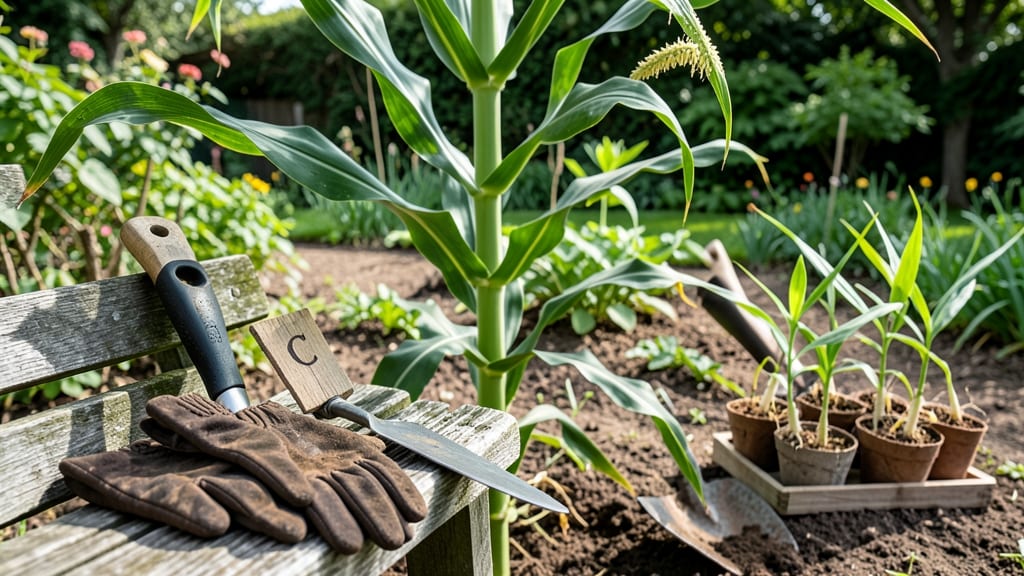
Timing your 🌽 corn planting in North Alabama isn't just about following a calendar—it's about outsmarting unpredictable spring weather to give your crop the best shot at success.
With Zone 7a-7b frost risks lingering until mid-March and soil that can take weeks to warm up, planting too early means seed rot, while waiting too long cuts your harvest window short.
I've seen firsthand how a 5-day delay in planting can mean the difference between a bumper crop and a sad, stunted garden. The key isn't just waiting for the last frost date—it's tracking soil temperatures and understanding how your local microclimate behaves.
Let me walk you through exactly when to put those seeds in the ground for maximum germination and healthy growth.
You'll discover the ideal planting window for North Alabama—typically mid-April to early May—but also how to adjust if Mother Nature throws you a curveball. We'll cover soil temperature thresholds, frost risk timelines, and even which corn varieties thrive best in your region's short growing season.
Whether you're a seasoned gardener or just starting with 🌽 corn, these insights will help you avoid common mistakes and set your plants up for success from day one. Let's get your corn off to the right start this spring!
North Alabama corn planting timeline based on soil temperature & frost dates
Timing your corn planting in North Alabama is all about balancing soil warmth and avoiding late spring frosts. Corn seeds need soil temperatures of at least 60°F to germinate, but cold snaps can still hit after the last frost date.
The average last frost for Zone 7a/7b occurs around April 15, but I always wait until mid-April to early May to plant—this gives me a safety margin for unpredictable weather.
In my experience, planting too early (before April 1) risks frost damage, while waiting too late (after May 15) shortens the growing season. Corn needs 90-120 days to mature, so I aim for harvests between July and September.
For North Alabama’s 190 frost-free days, this timing ensures a full season.
Here’s my data-driven planting timeline based on local averages and soil conditions:
| Stage | Action | Soil Temp | Risk |
|---|---|---|---|
| Early April | Test soil warmth | Below 55°F | High frost risk |
| Mid-April | Plant seeds 1-1.5" deep | 55-60°F | Moderate frost risk |
| Late April | Monitor germination (7-14 days) | 60-65°F | Low frost risk |
| Early May | Thin seedlings to 4-6" apart | 65-70°F | Minimal risk |
| June-July | Harvest at 75-90 days | 70-85°F | None |
For microclimates in North Alabama, like valleys or urban areas, frost dates can vary by 1-2 weeks. I recommend checking your local Alabama Cooperative Extension Service for precise frost data. If you’re in a cooler pocket, consider black plastic mulch to warm the soil faster.
Pro tip: Use a soil thermometer to confirm warmth before planting. Corn seeds won’t sprout until the soil hits 60°F, and waiting a few extra days can mean the difference between a thriving crop and a failed one.
In my garden, I’ve found that early-maturing varieties like Silver Queen or Peaches and Cream give me the best results in North Alabama’s shorter season. These varieties mature in 75-85 days, leaving room for a second planting if conditions allow.
If you’re unsure about timing, I suggest planting a small test patch in early April. This lets you monitor germination and adjust your full planting schedule accordingly. Remember, corn thrives on consistent warmth, so don’t rush—better late than sorry!
🌽
How to test soil warmth & adjust planting for North Alabama’s unpredictable spring
North Alabama’s spring weather can swing from freezing nights to warm afternoons in just days, making soil temperature the deciding factor for successful corn germination. Corn seeds need soil that’s at least 60°F (15°C) to sprout—any colder, and your seeds may rot in the ground.
Since air temperature doesn’t always match soil warmth, testing becomes essential.
I’ve learned the hard way that planting too early—even if the air feels warm—can leave your seeds sitting in cold soil for weeks. The key is checking soil temperature consistently for at least 3-5 days before planting.
A simple soil thermometer (available for under $10) is your best tool for accuracy.
Another trick I’ve used is planting a test row 1-2 weeks before the ideal window. If the test seeds sprout within 7-10 days, your soil is ready for the full planting. This method works especially well in North Alabama’s Zone 7a/7b, where early springs can arrive unexpectedly.
Don’t forget that black plastic mulch can raise soil temperatures by 5-10°F in just days. Laying it down a week before planting can create a microclimate warm enough for germination even if the surrounding soil isn’t ready. Just remove it once seeds sprout to avoid overheating.
If you miss the ideal window, don’t panic—corn can still be planted through early June for a late harvest. Just choose short-season varieties (like ‘Early Sunglow’) that mature in 70-80 days instead of the usual 90-120 days.
This gives your plants enough time to reach harvest before North Alabama’s first frost in mid-November.
Remember, the goal is consistent warmth, not just a single warm day. Patience here pays off—corn planted in cold soil often results in uneven germination or stunted seedlings that never recover. When in doubt, wait a little longer for that perfect 60°F+ soil temperature.