
Flowers
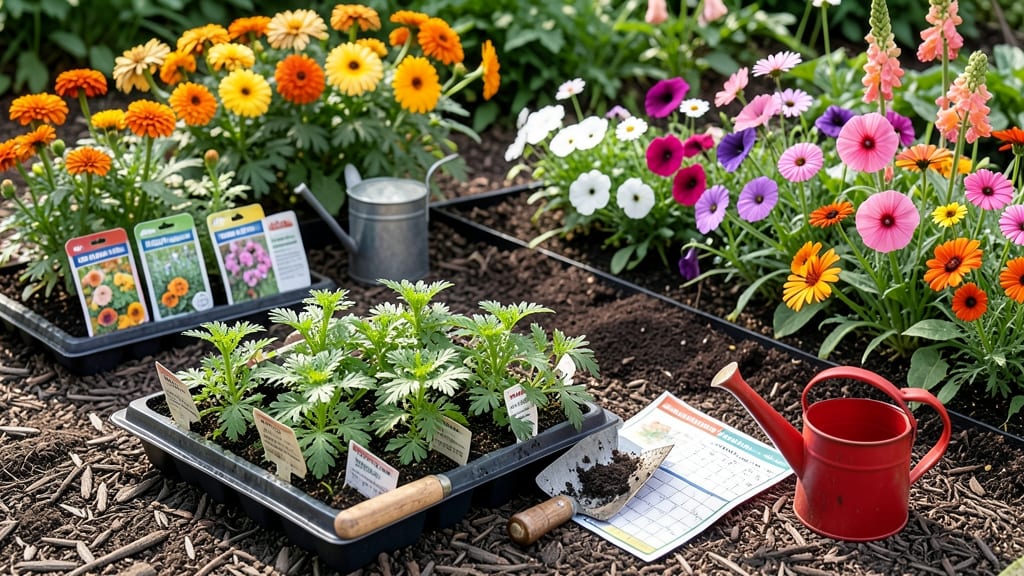
When to plant flowers in Zone 8 can mean the difference between a garden bursting with color and one that fizzles out before summer's end.
With 240 frost-free days at your disposal, you’ve got the perfect climate to grow almost any flower—but only if you plant them at the right moment. Skip the guesswork and learn exactly when to tuck in annuals, perennials, and bulbs for nonstop blooms from spring through fall.
From cool-season favorites like pansies to heat-loving zinnias, I’ll break down the month-by-month schedule that keeps your garden thriving year-round. Plus, I’ll share pro tips for adjusting to microclimates and soil conditions so you never miss a blooming opportunity.
Ready to transform your garden into a continuous parade of color? Let’s dive into the exact planting windows that work for Zone 8’s unique climate.
Zone 8 flower planting calendar by season: exact months for maximum blooms
Zone 8’s 240 frost-free days give you a year-round planting window, but not all flowers thrive at the same time. Annuals like impatiens need warm soil, while perennials like lavender prefer cooler fall planting.
Let’s break down the best months for each type to ensure bold, long-lasting blooms all season.
First, know your last frost date—typically March 15—and first frost around November 15. Coastal areas may have milder winters, while inland zones can experience late-spring frosts. Adjust your schedule accordingly for frost-sensitive varieties like petunias or geraniums.
🌱
| Season | Plant Type | Best Planting Months | Key Notes |
|---|---|---|---|
| Early Spring | Perennials | February–March | Plant hardy perennials like black-eyed Susans and coneflowers 4–6 weeks before last frost. |
| Late Spring | Annuals (Cool-Season) | March–April | Sow pansies and snapdragons 2–4 weeks before last frost for early blooms. |
| Summer | Annuals (Warm-Season) | April–June | Plant zinnias, marigolds, and geraniums after soil warms to 60°F+. |
| Fall | Bulbs & Perennials | September–October | Plant fall-blooming bulbs like dahlias and tulips for winter color. |
| Winter | Cold-Hardy Annuals | November–December | Sow pansies and stocks for winter blooms in protected microclimates. |
For coastal Zone 8 areas, extend your warm-season planting by 2–4 weeks due to milder temperatures. Inland gardeners should wait until after May 1 to plant heat-loving annuals like sunflowers, as late frosts can still occur.
🌿
Pro tip: Slow-blooming perennials like Russian sage or salvia thrive when planted in early fall. They establish roots before winter and rebloom vigorously in spring. For annuals, succession planting every 2–3 weeks ensures nonstop color from spring to frost.
🌸
Don’t forget to prep your soil 2–4 weeks before planting. For moisture-loving flowers like hydrangeas, amend soil with organic compost. For drought-tolerant varieties like lavender, mix in sand or grit to improve drainage. This small step makes a huge difference in bloom health and longevity.
💧
Now that you’ve got your planting timeline locked in, let’s tackle microclimate adjustments—because not all Zone 8 gardens are created equal! Coastal areas stay warmer longer, while inland spots can have hotter summers and cooler nights.
We’ll cover how to extend your season and protect tender blooms in the next section.
How to adjust planting times for Zone 8 microclimates and soil conditions
Zone 8’s mild winters and long summers create unique challenges for gardeners. Coastal areas may experience cooler, foggy conditions, while inland regions can hit 100°F+ heat.
These microclimates shift ideal planting windows—sometimes by weeks! For example, petunias might thrive in coastal February but need to wait until April inland.
Soil type also plays a critical role. Clay-heavy soils retain moisture longer, delaying spring planting, while sandy soils dry out faster, requiring earlier summer sowing. Before planting, test your soil’s drainage and pH—hydrangeas need acidic soil (pH 5.5-6.2), while lavender thrives in alkaline conditions (pH 7.0-8.0).
🌱
📌 Zone 8 Microclimate Adjustments
- ✅ Plant annuals 2-3 weeks earlier (e.g., pansies in Feb)
- ✅ Use shade cloth for summer heat stress
- ✅ Extend fall blooms with mulch (protects roots)
- ✅ Delay heat-sensitive plants (e.g., impatiens until May)
- ✅ Water deeply 2x/week in summer
- ✅ Choose drought-tolerant perennials (e.g., salvia, yarrow)
- ✅ Plant fast-growing annuals (e.g., zinnias) in late spring
- ✅ Use light-colored mulch to reflect heat
- ✅ Group plants by water needs (e.g., succulents together)
To extend your blooming season, try staggered planting. For example, sow marigolds every 2 weeks from March to July for continuous color. Or plant slow-blooming perennials like coneflowers in fall—they’ll establish roots before summer heat arrives.
Soil prep is just as critical. Amend heavy clay with compost and sand, while sandy soils benefit from organic matter like peat moss. For moisture-loving plants (e.g., hydrangeas), add water-retention crystals to the planting hole. Always work soil when it’s damp but not soggy—this prevents compaction.
Watch for late-spring frosts, which can still occur in Zone 8 until mid-April. Use frost cloth or wait until nighttime temperatures stay above 40°F before planting tender annuals. Hardy perennials like black-eyed Susans can handle these chilly snaps, but tropicals like hibiscus need warmer soil.
Finally, adjust your watering schedule based on microclimates. Coastal gardens may need less frequent watering due to humidity, while inland areas require daily checks in summer. Mulch heavily to retain moisture and regulate soil temperature—this is especially helpful for newly planted perennials during heatwaves.