
Flowers
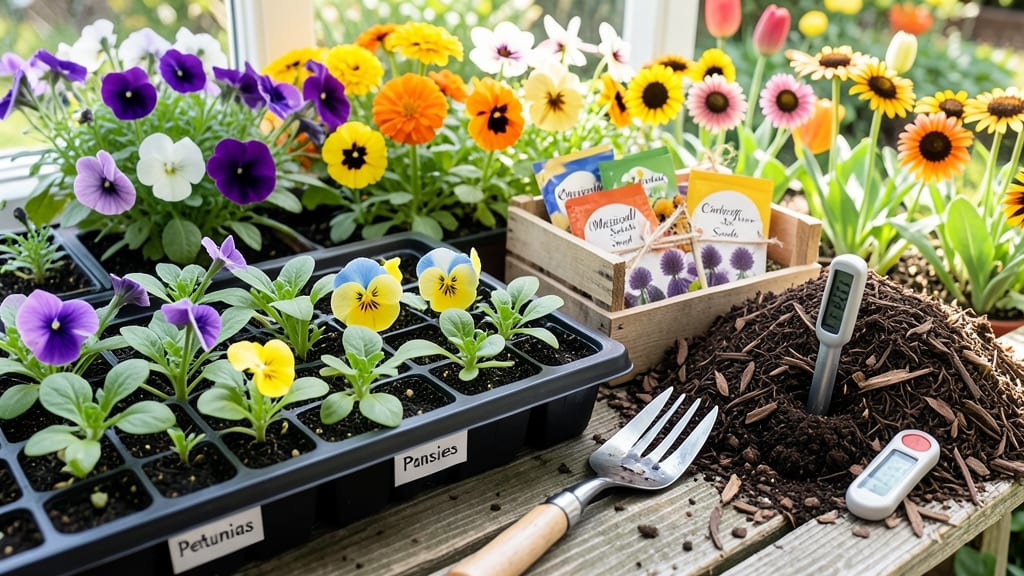
Timing your flower planting in Rhode Island can make or break your garden’s success—especially when dealing with the state’s tricky frost dates and coastal microclimates. One wrong move, and your 🌸 blooms could end up as frost casualties instead of vibrant centerpieces.
I’ve gardened in Rhode Island’s Zone 6b for years, and I’ve learned the hard way that planting too early or too late means missed blooms.
Whether you’re growing hardy perennials or delicate annuals, knowing the exact windows—like March to May for spring and August to September for fall—is the key to a thriving garden.
In this guide, I’ll break down the optimal months for planting flowers in Rhode Island, tailored to your specific frost zone and flower type. You’ll discover how to adjust for coastal vs. inland areas, avoid common mistakes, and even extend your blooming season with smart strategies.
Ready to turn your garden into a year-round showstopper? Let’s dive into the exact planting schedule that’ll keep your flowers flourishing—no matter what Mother Nature throws your way.
Rhode Island frost zones & exact planting months by flower type
Rhode Island spans USDA Zones 6a-7a, where last frost dates range from mid-April (inland) to early May (coastal areas). This variability means your spring planting window can shift by weeks—especially for tender annuals like petunias or marigolds.
Coastal gardens in Narragansett or Newport often enjoy earlier soil warming, while inland areas near Providence may face late frosts into May.
For perennials and bulbs, timing matters just as much. Planting tulips and daffodils in October-November gives them time to establish roots before winter, while hardy annuals like pansies can handle early March sowing in most zones. The key? Soil temperature—wait until it hits 50°F (10°C) for spring planting.
Here’s how to align your planting with Rhode Island’s microclimates and frost zones for maximum success:
If you’re in Zone 6a (e.g., Westerly or South Kingstown), err on the side of caution—late frosts can linger until May 10. For Zone 7a (e.g., Newport or Block Island), you might push tender annuals into early April, but always monitor weather forecasts for frost warnings.
For coastal gardens, the Atlantic breeze can delay frost, but it also means soil warms faster in spring.
Test soil temperature with a soil thermometer—if it’s below 50°F (10°C), wait another week. Inland areas like Coventry or North Kingstown may need to wait until May 1 for heat-loving flowers like zinnias or sunflowers.
Pro tip: Succession planting works wonders in Rhode Island’s short growing season. Sow fast-growing annuals like bachelor’s buttons every 2 weeks from May to July to ensure continuous blooms until frost. This is especially useful for Zone 6a gardeners with shorter summers.
Don’t forget about fall planting! While spring gets most of the attention, August-September is prime time for cool-season flowers like pansies, snapdragons, and asters.
These thrive when planted 6–8 weeks before first frost (aim for early September in most of RI). Mums are another great choice—they’ll bloom until October’s first frost.
One common mistake I see in Rhode Island gardens? Planting bulbs too late or skipping soil prep. Always amend soil with compost before planting, and water deeply after planting to encourage root growth.
For coastal gardens, add a layer of mulch to protect bulbs from salt spray and wind damage.
Finally, keep a gardening journal to track your local frost dates—Rhode Island’s microclimates mean your neighbor’s perfect timeline might not work for you. Over time, you’ll spot patterns and refine your planting schedule for bigger, healthier blooms every season. 🌸
Best flowers to plant in Rhode Island by season (with frost-date safeguards)
Rhode Island’s coastal microclimates and USDA Zones 6a-7a mean your flower choices should align with both frost dates and seasonal heat tolerance. For spring bloomers like pansies and tulips, start planting in March-April once soil warms to 50°F.
These hardy flowers handle light frosts, giving you early color before summer arrives.
Summer favorites such as zinnias and marigolds thrive when planted in May-June after the last frost (typically April 15 inland, May 1 near the coast). Their heat tolerance ensures vibrant blooms through September, even in Rhode Island’s humid summers.
Fall flowers like mums and asters should go in the ground by August to establish roots before first frost (usually October 15). These varieties love cooler temps and extend your garden’s color palette into autumn.
For winter interest, plant heather and hellebores in September-October. Their cold-hardy foliage and early blooms brighten gray winter days, while also resisting Rhode Island’s occasional late-season frosts.
- 🌱 Spring (Mar-Apr): Pansies, Tulips, Daffodils – Plant after soil reaches 50°F.
- ☀️ Summer (May-Jun): Zinnias, Marigolds, Petunias – Wait until last frost has passed.
- 🍂 Fall (Aug-Sep): Mums, Asters, Snapdragons – Give roots time to establish before frost.
- ❄️ Winter (Sep-Oct): Heather, Hellebores – Choose varieties with cold-hardy foliage.
Pro tip: Use succession planting for summer annuals like cosmos or sunflowers. Sow new seeds every 2-3 weeks from June to August to maintain continuous blooms until frost.
Always check your specific microclimate—coastal areas like Newport may have 2-3 weeks later frost dates than inland Providence. Adjust planting times accordingly to avoid frost damage to tender flowers.