
Flowers
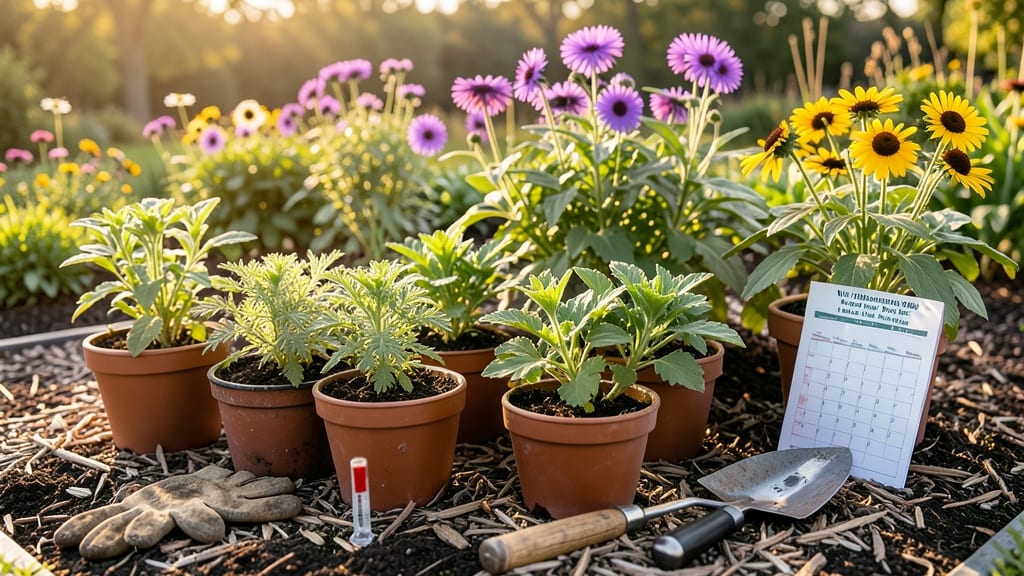
Timing your flower planting in New Hampshire can feel like a guessing game—one wrong move, and frost nibbles your blooms before they even take root. But with USDA Zones 5b-6b to guide you, you can finally stop second-guessing and start planting with confidence.
Whether you're dreaming of vibrant annuals or hardy perennials, knowing the ideal months makes all the difference. I’ll break down when to start seeds indoors, transplant outdoors, and adjust for containers versus in-ground planting—so your garden thrives from spring through fall.
From avoiding late frosts to choosing flowers that love NH’s climate, this guide gives you the exact timing you need. Let’s turn those gardening doubts into blooming success—no more wasted efforts or missed seasons.
Ready to transform your yard into a floral paradise? Grab your gloves and let’s get started with the perfect planting schedule for your zone.
New Hampshire planting zones: when to plant annuals vs. perennials by month
New Hampshire spans USDA hardiness zones 5b-6b, meaning gardeners must time their plantings carefully to avoid frost damage while maximizing bloom seasons.
The average last frost date ranges from May 1-15 in southern NH to May 15-30 in northern regions, while the first frost typically arrives between September 20-October 10. Understanding these windows is key to planting annuals (which complete their life cycle in one season) versus perennials (which return yearly).
For annual flowers, focus on two main planting periods: spring (after last frost) for cool-season varieties like pansies and late spring/early summer (May-June) for heat-loving plants such as marigolds. Perennials, however, often thrive when planted in early spring or fall, allowing roots to establish before extreme temperatures.
Let’s break down the ideal months for each zone and flower type to help you plan with confidence.
Pro Tip: Use soil thermometers to confirm readiness—most seeds need soil temps of 50-70°F for germination, while transplants prefer 60-75°F. NH’s cool, moist springs can delay warming, so don’t rush into planting!
In Zone 5b (northern NH), gardeners should prioritize late-May planting for warm-season annuals to avoid late frosts, while Zone 6b (southern NH) offers an earlier window starting in mid-April.
For perennials, fall planting is ideal in all zones—it reduces transplant shock and allows roots to grow before winter dormancy. For example, coneflowers planted in September often bloom more vigorously the following year.
Don’t overlook microclimates in NH! South-facing slopes warm up faster, while low-lying areas may experience 2-3 weeks later frost dates. Test your soil’s readiness by pressing your finger into it—if it’s crumbly and moist (not muddy), it’s time to plant.
For container gardening, you can extend seasons by 2-4 weeks using pots, as they warm up quicker than in-ground soil.
For cool-season flowers like pansies or snapdragons, start seeds indoors 6-8 weeks before your last frost date to ensure they’re ready for transplanting. In NH, this means late February to early March for most regions.
Use grow lights if natural light is limited during winter months. For warm-season favorites like petunias or zinnias, begin seeds indoors 4-6 weeks before your last frost (typically mid-April for Zone 6b).
If you’re new to NH gardening, native plants like wild columbine or new England aster are excellent choices—they’re adapted to local conditions and require less maintenance. These perennials can be planted in early spring or fall and will reward you with years of blooms with minimal effort.
For annuals, consider heat-tolerant varieties like celosia or portulaca, which thrive in NH’s hot, humid summers.
Remember: Frost dates are averages, not guarantees. Keep an eye on your local NH weather forecasts and use frost cloths to protect tender plants if late frosts threaten. With the right timing, your NH garden can burst into color from early spring (daffodils) through late fall (mums and asters)!
Top 10 flowers that thrive in new Hampshire’s climate (and when to start them indoors)
New Hampshire’s cool summers and chilly springs demand flowers that can handle temperature swings. The key to success? Starting many varieties indoors 6-8 weeks before the last frost date (typically mid-May in most of NH).
This head start ensures robust blooms before summer’s end. Below are my top 10 NH-hardy flowers, ranked by resilience and beauty, along with their ideal planting windows.
For cold-hardy perennials like coneflowers and black-eyed Susans, you can often direct-sow outdoors in early spring. But for tender annuals like petunias and marigolds, indoor starts are a must. Let’s dive into the specifics—because timing is everything in NH’s variable climate.
🌱 Flower Cold Tolerance & Maintenance Ratings
| Flower | Indoor Start | Outdoor Transplant | Sunlight | Cold Hardiness |
|---|---|---|---|---|
| Coneflower | March | May | Full Sun | ❄️ 9/10 |
| Black-Eyed Susan | April | May | Full Sun | ❄️ 8/10 |
| Petunia | April | June | Partial Sun | ❄️ 4/10 |
| Marigold | March | May | Full Sun | ❄️ 5/10 |
| Coreopsis | April | May | Full Sun | ❄️ 8/10 |
Coneflowers and black-eyed Susans are my go-to perennials for NH gardens—they handle late frosts like champions and return year after year. Start seeds indoors in March for early blooms, or sow directly in May after the last frost. These drought-tolerant beauties thrive in full sun and attract pollinators all summer long.
For annuals like petunias, patience is key. These frost-sensitive darlings need 6-8 weeks indoors before transplanting outdoors in late May or June.
Use grow lights if your indoor space is dim, and harden off seedlings gradually to avoid shock. Marigolds are a great compromise—they tolerate cooler temps and can handle direct sowing in May if you’re in a hurry.
Native wildflowers like New England asters and bee balm are also fantastic choices. They’re low-maintenance, pollinator-friendly, and often self-seed for future seasons. If you’re short on time, opt for plug plants from local nurs