
Planting
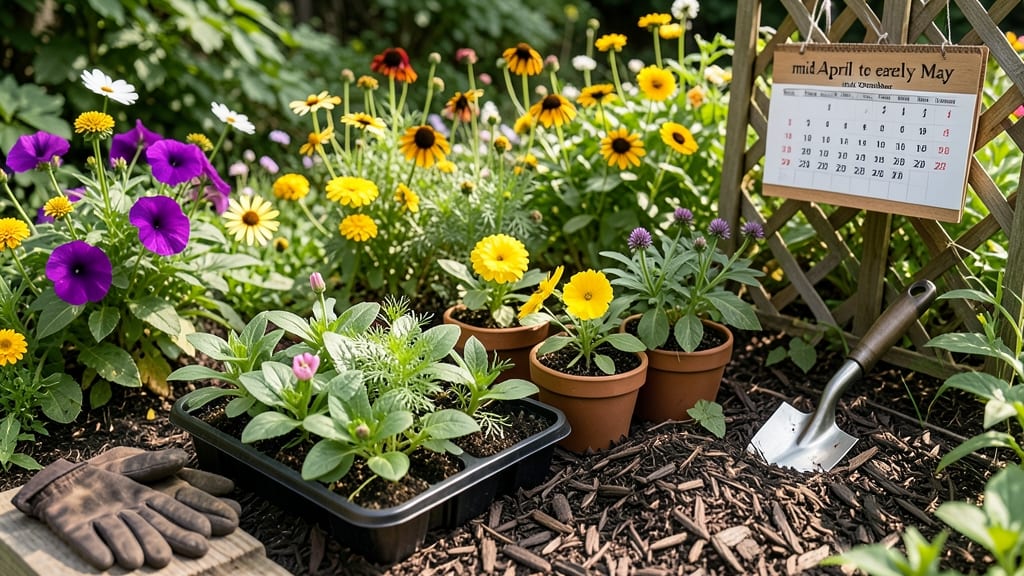
Timing your flowers 🌸 planting in Ohio can mean the difference between a garden bursting with color and one that never takes off. The last frost date in your county—whether it’s mid-April in southern Ohio or early June in the north—dictates when you can safely tuck seeds into the soil.
For Ohio gardeners in USDA Zone 6a, getting the timing right isn’t just about avoiding frost—it’s about matching your flower varieties to the 165 frost-free days your region offers. Early spring is prime for cool-season blooms like pansies, while late summer sets the stage for heat-loving annuals like zinnias.
But here’s the thing: even experienced gardeners sometimes misjudge the window. That’s why I’m breaking down the exact planting timeline for annuals, perennials, and bulbs—plus how to use frost cloths or cold frames to stretch your season. You’ll learn how to align your garden with Ohio’s unpredictable weather patterns.
Ready to transform your yard into a year-round floral display? Let’s dive into the step-by-step guide that’ll have your flowers 🌸 thriving from the first warm day until the first frost.
Ohio last-frost dates by county: when to plant flowers safely
Ohio’s diverse geography means last-frost dates can vary by over 6 weeks—from mid-April in southern counties like Hamilton to early June in northern regions like Ashtabula.
These dates mark the safest time to plant warm-season flowers like marigolds and petunias, while cool-season blooms (like pansies) can often handle light frosts. Always check your USDA hardiness zone (Ohio spans 5b to 6b) for extra precision.
For accurate planning, consult the Ohio State University Extension’s frost-free map or use the National Weather Service’s local forecasts. Even experienced gardeners in Columbus (Zone 6a) have lost entire plantings by ignoring these dates. The key is soil temperature—most flowers thrive when soil reaches 60°F (15°C) consistently.
Here’s how to use this data: Subtract 2 weeks from your county’s last-frost date for indoor seed-starting (e.g., begin marigolds indoors in late February if your frost date is April 15).
For direct-sown seeds, wait until 1 week after the average last frost. Remember: Microclimates matter—valleys freeze later than hilltops!
🌱 Ohio Last-Frost Dates by County (Average)
| County | Last-Frost Date | Zone | Notes |
|---|---|---|---|
| Adams | April 25 | 6a | Northern Ohio, wait for soil warmth |
| Franklin (Columbus) | April 15 | 6a | Central Ohio, reliable for spring planting |
| Hamilton (Cincinnati) | April 10 | 6b | Southern Ohio, earliest frost-free |
| Ashtabula | June 1 | 5b | Lake-effect delays frost |
| Wayne | May 10 | 5b | Northeast Ohio, extended cool season |
💡 Pro Tip: Use frost cloths to plant 2 weeks earlier in Zone 5b areas.
If you’re planting perennials or bulbs in fall, aim for 6-8 weeks before first frost (typically September-October).
For example, tulip bulbs should be in the ground by mid-October in Columbus to establish roots before winter. First frost dates in Ohio range from October 15 in southern counties to November 1 in northern regions.
For container gardening, you can extend your season by 1-2 weeks—pots warm up faster and can be moved to protected spots during late frosts. However, heavy containers may not survive sub-freezing temps without insulation.
Always check your local weather alerts the week before planting—unpredictable late frosts happen even after the average date!
Ohio’s frost-free growing season averages 165-200 days, depending on location.
Use this to plan successive plantings: Start cool-season flowers (like snapdragons) in early spring, then transition to warm-season favorites (like zinnias) after Memorial Day. Fall planting for mums or asters should begin in August for blooms before frost.
Don’t rely solely on averages—track your own frost dates for 3 years to spot patterns. For instance, 2020’s late April frost in Cincinnati caught many off guard.
Keep a garden journal with notes on soil temps, planting dates, and weather anomalies. This local data is more valuable than any national average.
For urban gardeners, city heat islands can create earlier last-frost dates by 1-2 weeks compared to rural areas. If you’re in Cleveland or Akron, monitor microclimates—south-facing walls may be 5°F warmer than open fields. Use planting calendars from your local cooperative extension office for hyper-local advice.
Remember: Frost dates shift yearly due to climate change. What was safe in 2010 might not be in 2024. Stay flexible and adjust your planting timeline based on real-time conditions, not just historical data. Your garden’s success depends on it! 🌷
Best flower planting timeline by variety: cool-season vs. warm-season flowers
Ohio’s diverse climate zones mean your flower planting schedule depends on whether you’re growing cool-season bloomers like pansies or warm-season favorites like marigolds. Even within Ohio’s USDA Zone 6a, microclimates create timing differences of 2-3 weeks between northern and southern counties.
For cool-season flowers (hardy to 25°F or colder), like pansies, snapdragons, and sweet peas, you can start seeds indoors in late February or outdoors in early March—even before your county’s last frost.
These resilient plants thrive in spring’s cooler temperatures and often rebloom in fall if planted again in August.
Warm-season flowers (like petunias, marigolds, and zinnias) need soil temperatures above 60°F to germinate, so wait until 2-4 weeks after your last frost date—typically mid-to-late May in most of Ohio. These varieties love summer’s heat and will bolt or struggle if planted too early.
🌱 Ohio Flower Planting Timeline by Variety
- 🌱 Cool-Season Flowers: Start seeds indoors Feb 20–Mar 15; transplant outdoors Mar 1–Apr 15 (before last frost).
- 🌿 Bulbs (Tulips/Daffodils): Plant Oct 1–Nov 15 for spring blooms; Aug 15–Sep 15 for fall color.
- ☀️ Warm-Season Annuals: Sow seeds Apr 15–May 15 (after last frost); transplant May 1–Jun 1.
- 🌼 Perennials: Plant Apr 1–May 15 (after frost) or Sep 1–Oct 15 for established roots.
- 🌷 Fall-Blooming Flowers: Sow Jul 15–Aug 15 (e.g., mums, asters) for Sept–Oct color.
Pro tip: Test soil temperature with a soil thermometer—most seeds need 50–60°F to sprout. In northern Ohio, wait until May 1 for warm-season plants, while southern Ohio gardeners can plant 2 weeks earlier. Container gardens warm up faster, so they’re ideal for early planting.
For perennials like coneflowers or black-eyed Susans, fall planting (September–October) gives roots time to establish before winter. These hardy plants rebloom yearly with minimal effort, making them a Ohio gardener’s best friend. Just mulch heavily after planting to protect from freeze-thaw cycles.
Remember: Ohio’s unpredictable spring can bring late frosts into May. Use frost cloths or row covers for tender annuals until mid-May to ensure blooms all season. 🌸