
Plants
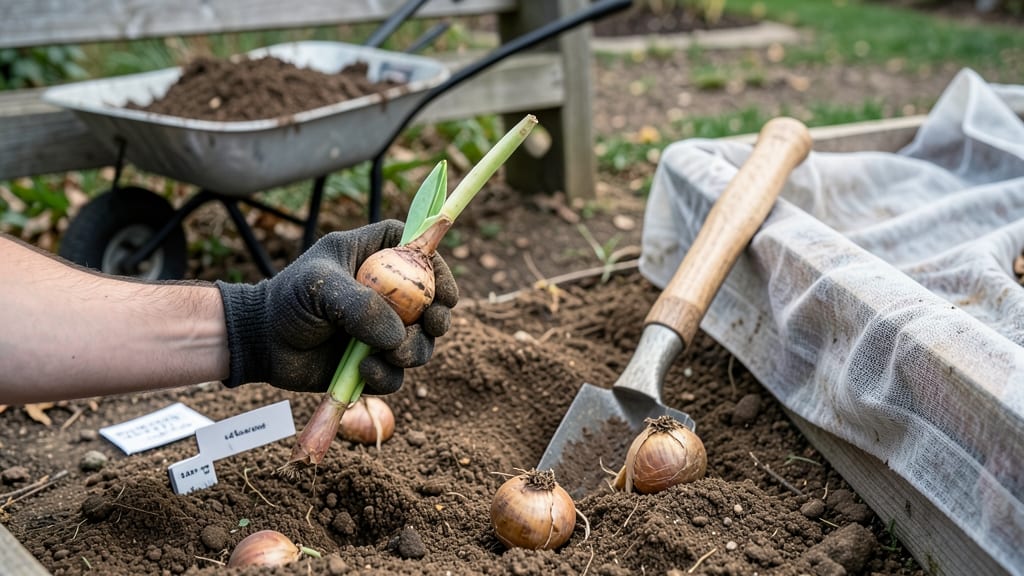
Timing is everything when it comes to planting tulip bulbs in New Jersey—get it wrong, and you might miss next spring’s vibrant blooms. With New Jersey’s unpredictable Zone 6a climate, knowing the exact window can mean the difference between thriving 🌷 and disappointment.
Most gardeners plant their tulips in the fall, but the key is doing it 4-6 weeks before the ground freezes. That means aiming for mid-October to early November, before Thanksgiving, when soil temperatures drop but frost hasn’t set in yet.
Why does this matter? Tulip bulbs need time to establish roots in cool soil before winter dormancy. Plant too early, and they may sprout prematurely; too late, and frost can damage them before they take hold.
Let’s break down the perfect planting schedule, soil prep tips, and how to adjust for New Jersey’s microclimates—so your tulips bloom beautifully every spring.
New Jersey planting Zones: when to plant tulip bulbs for spring blooms
New Jersey’s USDA Zones 6b-7a create a tight window for planting tulip bulbs—too early and they’ll rot, too late and frost will kill them. My goal? Help you nail the 6-8 week lead time before the ground freezes.
Most of NJ experiences its first frost between November 15-25, so aim to plant between late October and mid-November.
Timing isn’t just about dates—it’s about soil temperature. Tulip bulbs need the ground to be below 60°F (15°C) but not yet frozen. In northern NJ (Zone 6b), this usually means starting by October 20, while southern NJ (Zone 7a) can wait until November 1.
Check your local National Weather Service frost predictions to fine-tune your schedule.
I’ve planted tulips for years in Central Jersey (Zone 6b), and my sweet spot is the first two weeks of November. This gives bulbs enough time to root before winter sets in.
For container-grown tulips, you can push planting to mid-November since pots warm up faster, but they still need to establish roots before freezing.
🌷 New Jersey Tulip Planting Timeline
| Zone | Ideal Planting Window | Soil Temp Trigger | Last Chance Date |
|---|---|---|---|
| 6b (North NJ) | October 20 - November 10 | Below 60°F (15°C) | November 15 (frost risk) |
| 7a (South NJ) | October 30 - November 15 | Below 60°F (15°C) | November 25 (frost risk) |
| Containers (Any Zone) | November 1 - November 15 | Below 55°F (13°C) | November 20 (frost risk) |
📅 Pro Tip: Use a soil thermometer to confirm temps—bulbs need 4-6 weeks of root growth before winter.
Don’t stress if you miss the ideal window—late plantings can still work if the ground hasn’t frozen solid. I’ve had success planting as late as December 1 in Zone 7a, but cover bulbs with 4-6 inches of mulch to insulate them.
Just avoid planting after the first hard frost, or you’ll risk bulb rot.
Microclimates matter in NJ! Coastal areas like Cape May (Zone 7b) can plant 2-3 weeks later than inland spots like Sussex County (Zone 6a). Observe your garden’s frost patterns for 2-3 years to refine your timing.
For example, my shady north-facing bed freezes 1 week earlier than my sunny south-facing border.
If you’re unsure about your zone, check the New Jersey Agricultural Experiment Station’s frost maps or use the USDA Plant Hardiness Zone Map. Most of NJ falls into Zones 6b-7a, but pockets of Zone 5b exist in the northwest.
Adjust your planting date 1-2 weeks earlier for cooler zones.
For early blooming tulips (like ‘Early Harvest’ or ‘Darwin Hybrid’), plant bulbs 4-6 weeks before your ideal date. These varieties need extra time to establish roots for April blooms. Late-blooming types (like ‘Parrot’ or ‘Fosteriana’) can wait until the second half of November.
Remember: Tulip bulbs need cold to bloom. If you plant too early in September, they’ll sprout and get damaged by early fall frosts. Wait until soil temps drop below 60°F (15°C)—usually after mid-October—to avoid this common mistake.
My 2022 lesson: Planting in early October led to frost-nipped shoots by November.
Finally, mark your calendar for April 15, NJ’s average last frost date. This is when tulips typically emerge, but don’t fertilize until you see green shoots.
Early feeding can burn tender roots still adjusting to spring. Patience pays off—wait until May for those vibrant blooms! 🌷
New Jersey planting Zones: when to plant tulip bulbs for spring blooms
New Jersey's USDA Zones 6b-7a create a perfect window for planting tulip bulbs—but timing is everything. The ideal planting window spans from mid-October to early November, giving bulbs time to root before winter's first frost.
In northern NJ (Zone 6b), aim for October 15-30, while southern regions (Zone 7a) can extend until November 15.
Tulips need 4-6 weeks to establish roots before the ground freezes. In NJ, the average first frost date is November 15, so planting after this risks bulb rot.
Use local frost data from NJ State Climatologist to adjust your schedule—some years, early December planting may work if soil stays unfrozen.
Soil temperature is your secret weapon. Tulip bulbs thrive when soil temps drop to 40-50°F. In NJ, this typically happens by mid-October in most regions. Test soil with a thermometer or wait for daytime highs below 60°F before planting.
| Zone | Planting Window | Soil Temp | Last Chance |
|---|---|---|---|
| 6b (North NJ) | Oct 15-30 | 40-50°F | Nov 10 |
| 7a (South NJ) | Oct 20-Nov 15 | 40-50°F | Nov 25 |
| Microclimates (Urban) | Oct 25-Nov 5 | 45-55°F | Nov 15 |
Note: Adjust 1-2 weeks earlier for high-altitude areas (e.g., Sussex County).
Missed the fall window? Don't panic! You can still plant tulips in early December if your soil hasn't frozen. Use a heavy mulch layer (4-6 inches) to insulate bulbs. For winter planting, cover bulbs with straw or leaves and remove mulch in late winter to prevent rot.
Pro tip: Mark your calendar for Thanksgiving weekend—this is the safest last-minute planting date in most of NJ. By this time, bulbs will have 3-4 weeks to root before consistent freezing. Plant deeper (8 inches) if you're pushing the deadline.
Remember: Early planting (before October) can cause premature sprouting, while late planting (after November) risks frost damage. Aim for that sweet spot where roots grow but tops stay dormant until spring. With NJ's variable winters, flexibility is key—monitor forecasts and soil conditions!