
Plants
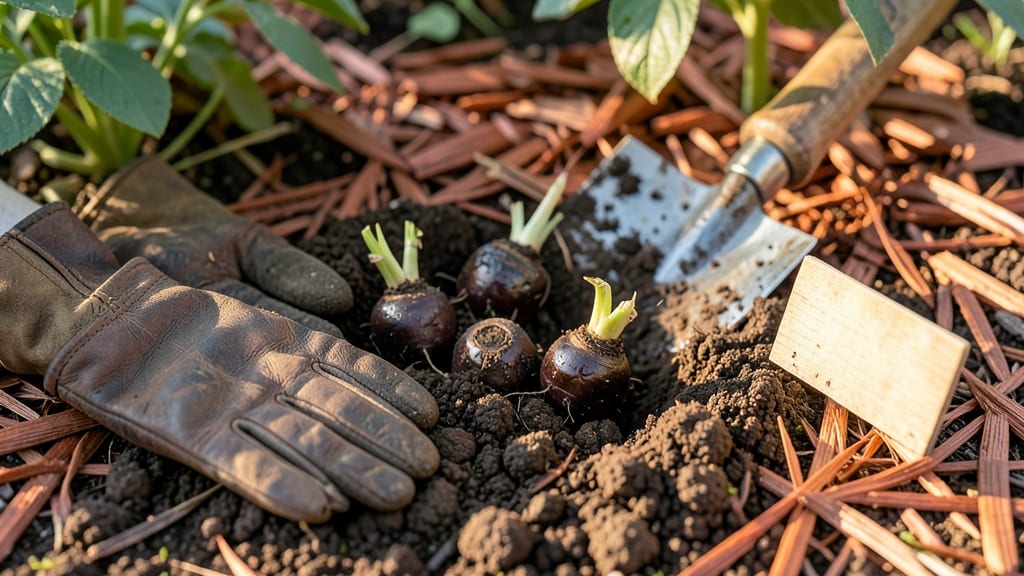
When to plant dahlias in Zone 7b means the difference between stunning summer blooms and sad, frost-nipped tubers. If you've ever rushed to plant too early and watched your 🌺 dahlias wilt under late spring chills—or waited too long and missed peak flowering—this guide is your game-changer.
Most gardeners in Zone 7b know the struggle: soil might feel warm by mid-April, but those sneaky late frosts can still lurk. The key isn't just waiting for the calendar—it's tracking soil temperature (aim for 60°F) and understanding how your local microclimate plays tricks.
I'll show you exactly when to plant tubers for maximum blooms, whether you're starting indoors or going straight to the garden.
You'll also discover why early May is often the sweet spot for direct planting and how to protect your dahlias if Mother Nature throws a curveball. Plus, I'll share the 3 most common planting mistakes Zone 7b gardeners make—and how to avoid them.
Let's get those dahlias in the ground the right way!
From prepping your soil to hardening tubers and beyond, this schedule ensures your dahlias thrive all season. Ready to transform your garden into a bold, long-lasting floral show? Let's dive in.
Optimal dahlias planting dates in Zone 7b: frost-free timeline for maximum blooms
Timing your dahlia planting in Zone 7b means balancing last frost dates with soil warmth—critical for tuber survival and vigorous growth. The average last frost in Zone 7b occurs around April 15, but microclimates can shift this by 1-2 weeks.
For bold blooms, aim to plant 2-4 weeks after your local last frost date.
Dahlias thrive when soil temperatures reach 60°F (15°C), signaling it’s safe to plant tubers. In Zone 7b, this typically happens in mid-April to early May. Planting too early risks frost damage to tender tubers, while delaying past early May may shorten the blooming season.
For Zone 7b gardeners, the ideal planting window is April 22–May 10, aligning with soil warmth and reduced frost risk. Use this timeline as a guide, but always check your local extended weather forecasts for adjustments.
🌱 Did You Know? Dahlias planted in late May may still produce flowers, but expect shorter stems and fewer blooms compared to early-season plantings.
| Stage | Action | Zone 7b Timeline |
|---|---|---|
| Soil Warmth Check | Test soil depth (4-6") with a thermometer | Mid-April |
| Indoor Start (Optional) | Sprout tubers indoors (6-8 weeks before last frost) | February–March |
| Hardening Off | Acclimate tubers to outdoor temps (1 week) | Late March–Early April |
| Direct Planting | Plant tubers 4-6" deep, 12-15" apart | April 22–May 10 |
| First Blooms | Expect flowers 60-90 days after planting | Late June–July |
If you’re starting dahlias from tubers, begin indoors 6-8 weeks before your last frost date (around February–March in Zone 7b). This head start ensures robust plants ready for transplanting.
For direct planting, choose healthy tubers with multiple eyes and plant them 4-6 inches deep to protect against late frosts.
Zone 7b’s humidity and variable spring weather demand extra caution. Use row covers or cloches if planting early, and monitor forecasts for late frost warnings. Even a light frost can kill emerging shoots, setting back your dahlias by weeks.
For maximum bloom time, prioritize early May plantings. Dahlias planted by this date typically flower until first frost in October, giving you 4-5 months of vibrant blooms. Late plantings may still produce flowers, but expect a shorter season and smaller stems.
Pro tip: Mark your calendar for June 1—this is when dahlias in Zone 7b should be fully established and ready for heavy feeding to encourage blooms. Miss this window, and you’ll sacrifice peak performance.
🌿 Microclimate matters! Gardens near water bodies or in low-lying areas may experience later frosts. Delay planting until May 1 in these spots to avoid tuber rot from cold, soggy soil.
How to prepare dahlias for Zone 7b planting: soil, hardening, and frost protection tips
Zone 7b’s unpredictable late frosts and clay-heavy soils demand extra prep work before planting dahlias. Start by testing your soil—dahlias thrive in well-draining soil with a pH of 6.0-7.0. If your soil is compacted or waterlogged, mix in compost and perlite to improve aeration and drainage.
I’ve found that adding a 2-inch layer of organic mulch after planting helps retain moisture and regulate soil temperature.
Hardening your dahlia tubers is critical in Zone 7b. Begin this process 4-6 weeks before your last frost date (around mid-March). Place tubers in a cool, bright location (like a garage or basement) and gradually expose them to outdoor temperatures over 10-14 days.
This mimics natural conditions and prevents shock when you transplant them. I like to use black plastic pots for this—just leave them outside during the day and bring them in at night.
Even after your average last frost date (April 15), Zone 7b can experience unpredictable cold snaps. If planting in early April, use frost cloths or cloches to protect young shoots. I’ve lost entire batches of dahlias to late frosts—don’t skip this step! Monitor your local weather forecasts and have a backup plan, like a greenhouse or cold frame, ready for emergencies.
When it’s time to plant, choose a sunny, sheltered spot with protection from strong winds. Dahlias need 6+ hours of sunlight daily, but in Zone 7b’s heat, afternoon shade can prevent leaf scorch. Bury tubers 4-6 inches deep, with the eyes facing upward.
Space them 12-15 inches apart for dwarf varieties and 18-24 inches apart for taller types. After planting, water deeply to settle the soil and encourage root growth.
To boost early growth, apply a balanced fertilizer (5-10-10) at planting time, followed by a high-phosphorus feed when buds form. In Zone 7b, where summers can be hot and humid, mulch with straw or shredded leaves to keep roots cool and reduce water evaporation.
I’ve seen dahlias in mulched beds bloom 2-3 weeks earlier than those without, thanks to the stable soil temperature.
Finally, mark your planting date on a calendar and set reminders for fertilizing, deadheading, and pest checks. Zone 7b’s humidity and pests (like slugs and aphids) can derail even the best-laid plans. Stay proactive, and your dahlias will reward you with stunning blooms from July through October.
With these prep steps, your dahlias will thrive in Zone 7b’s challenging conditions. The key is soil prep, hardening, and frost protection—skip any of these, and you’ll struggle to get those show-stopping blooms you’re dreaming of. Happy planting! 🌺