
Plants
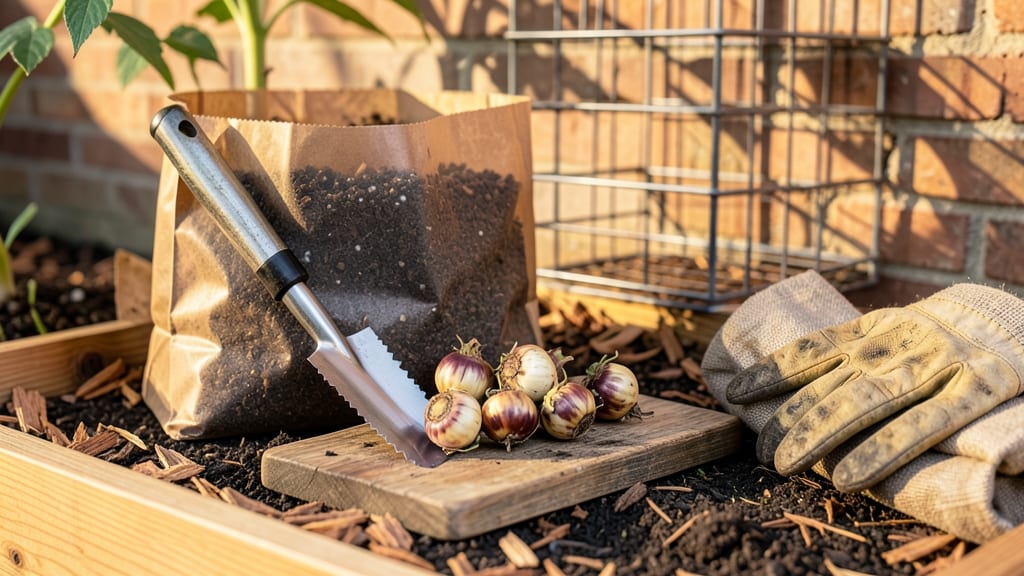
Timing your dahlia planting in Kentucky can mean the difference between a garden bursting with 🌼 blooms and one struggling with frost damage. Since Kentucky’s USDA Zone 6a climate swings between chilly springs and unpredictable late frosts, getting those tubers in the ground at the right moment is everything.
Most gardeners wait until after the last frost—typically late April to mid-May—but rushing too early can leave your dahlias vulnerable. The key is warm soil (at least 60°F) and frost-free nights, which usually align with early May in most of Kentucky.
Whether you’re planting tubers or starting cuttings, this window ensures your dahlias take off without a hitch.
But here’s the catch: Northern Kentucky’s cooler microclimates may need a slightly later start, while Southern regions can push planting into early May. I’ll break down exactly how to time it—plus soil prep tips and post-planting care—to keep your dahlias thriving all summer long.
Ready to transform your garden? Let’s dive into the perfect planting schedule for Kentucky’s climate, so you can enjoy those showstopping blooms from July right through fall.
Ideal planting dates in Kentucky’s USDA Zone 7b for dahlia success
Timing your dahlias correctly in Kentucky’s USDA Zone 7b means avoiding late frosts while giving plants enough time to establish strong roots before summer heat arrives.
The last average frost date in Kentucky typically falls around April 15, but gardeners should wait until mid-to-late April to plant tubers for safety.
For maximum bloom production, aim to plant dahlias 4-6 weeks before your last frost. This gives roots time to develop before the plant focuses on foliage and flowers. In Kentucky, that window usually opens around April 15-30, depending on your specific microclimate.
Northern Kentucky areas (closer to Zone 6b) may experience later frosts, while southern regions can plant slightly earlier. Always check your local frost-free date and adjust accordingly—dahlias cannot tolerate frost at any growth stage.
| Planting Stage | Ideal Kentucky Window | Soil Temp Requirement | Key Consideration |
|---|---|---|---|
| Start tubers indoors | Mid-March | 60-65°F (chitting) | Early start for late varieties |
| Plant tubers outdoors | April 15-30 | 60°F minimum | Wait for consistent warmth |
| Transplant seedlings | May 1-15 | 55°F minimum | Hardened-off plants only |
| Late planting (cuttings) | June 1-15 | 65°F minimum | Smaller blooms, shorter season |
For early blooming varieties, plant tubers as soon as soil reaches 60°F—typically by mid-April. Late-season varieties can wait until early May for slightly larger tubers at planting time. Always use a soil thermometer to verify warmth before planting.
Kentucky’s humid climate means dahlias planted too early may suffer from rot or fungal diseases. Wait until nighttime temperatures consistently stay above 50°F before planting. This usually aligns with late April for most of the state.
If you’re growing dahlias from cuttings, start them indoors by March 1 and transplant hardened-off plants by May 15. Cuttings need 6-8 weeks of indoor growth before outdoor transition, so timing is critical for a full-season display.
For container gardening in Kentucky, plant tubers in pots by May 1 to avoid early-season temperature fluctuations. Containers warm up faster than garden beds, giving you a slightly extended planting window.
Remember that dahlias are tender perennials—they’ll die back with frost, so always dig up and store tubers before Kentucky’s first frost (around October 15). Proper timing now ensures you’ll have vibrant blooms from July through October.
🌼
Ideal planting dates in Kentucky’s USDA Zone 7b for dahlia success
Kentucky’s USDA Zone 7b offers a 165-day frost-free season, giving dahlias plenty of time to flourish—but only if planted at the right moment.
The last average frost date in most of Kentucky falls around April 15, but soil temperatures must also reach 60°F (15°C) for tubers to sprout reliably. Waiting too long risks bolting (premature flowering), while planting too early exposes tender roots to late frosts or cold soil.
For tuber planting, aim for late April to mid-May—this gives roots time to establish before summer heat arrives.
If you’re growing from cuttings, start them indoors in March and harden them off by early April. Transplants bought from nurseries can go in the ground as early as mid-April if nighttime temperatures stay above 45°F (7°C).
🌱 Dahlia Planting Timeline for Kentucky
| Stage | Action | Notes |
|---|---|---|
| Late March | Start cuttings indoors | Use bottom heat (70°F) for faster rooting. |
| Mid-April | Hardening off cuttings | Acclimate to outdoor temps over 7–10 days. |
| Late April | Plant tubers or transplants | Soil temp must be ≥60°F (15°C). |
| May–June | Stake and mulch | Prevents bolting and conserves moisture. |
Northern Kentucky (closer to Zone 6b) has a slightly shorter season, so push planting to mid-May if frost risk lingers.
Southern Kentucky (Zone 8a) can start as early as early April, but monitor soil warmth with a thermometer—dahlias won’t thrive in cold, damp soil. Early varieties like ‘Café au Lait’ tolerate cooler temps better than giant varieties like ‘Galaxy,’ which need consistent warmth to reach their full height.
Pro tip: Use black plastic mulch to warm soil faster in early spring, or plant near heat-retaining structures like brick walls. This can shave off 1–2 weeks of waiting time. Just avoid mulching until soil is at least 55°F (13°C) to prevent rot.
After planting, dahlias need consistent moisture but hate soggy soil. Water deeply every 3–5 days in Kentucky’s humid climate, and always in the morning to prevent fungal diseases like powdery mildew. Mulch with 2–3 inches of straw to retain moisture and regulate soil temperature.
Timing isn’t just about the calendar—it’s about soil readiness. Test your soil’s temperature with a soil thermometer (aim for 60°F+) and watch for new leaf growth on nearby perennials like bee balm or coneflowers—these signal it’s safe to plant.
With the right timing, your dahlias will reward you with months of vibrant blooms from July through October.