
Plants
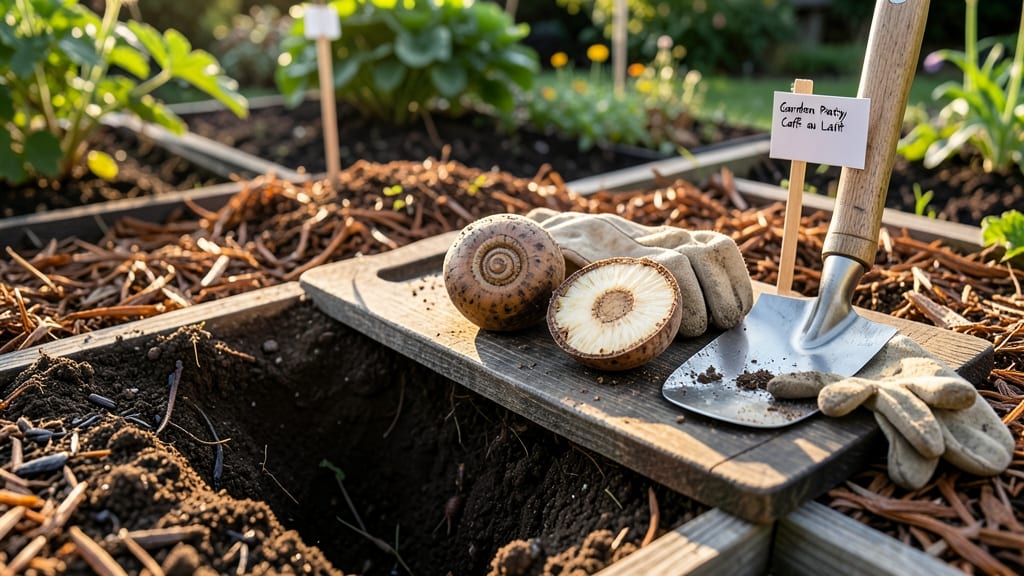
Planting dahlias in Zone 7 at the wrong time can mean the difference between a garden full of vibrant 🌸 blooms and struggling plants that barely survive.
The key to success lies in understanding your local frost dates, soil temperature, and tuber readiness—all of which directly impact how well your dahlias take root and thrive.
Most gardeners in Zone 7 wait until after the last frost, typically between mid-April and early May, when soil temperatures consistently reach 50-60°F. But rushing the process can lead to frost damage, while waiting too long might stress your tubers before summer heat sets in.
Let’s break down the perfect window and how to prepare your dahlias for planting.
You’ll discover how to time your planting for peak blooms, avoid common mistakes, and even troubleshoot if your dahlias don’t take off as planned. Whether you’re a seasoned gardener or just starting, these insights will help you grow dahlias that stand out all summer long.
From chitting tubers indoors to hardening them off before transplanting, every step matters. By following these guidelines, you’ll set your dahlias up for a strong start—and a showstopping display of color from July through October.
Zone 7 dahlias planting timeline: soil temperature & frost date rules
Planting dahlias in Zone 7 requires precision—timing your tubers just right ensures vibrant blooms and robust plants. The last frost date (around April 15) marks the starting line, but soil temperature is the real game-changer.
Dahlias thrive when soil reaches 50-60°F, signaling it’s safe to plant after the frost risk fades.
For Zone 7 gardeners, this typically means mid-April to early May, but don’t rush! Planting too soon risks frost damage to tender tubers, while waiting too long delays the stunning summer-to-fall blooms you crave.
The key is balancing frost-free days (about 165 days in Zone 7) with soil warmth to kickstart growth.
Here’s the golden rule: Wait until soil is 60°F and nighttime temps stay above 50°F. Use a soil thermometer to check—this small investment prevents wasted tubers. In cooler microclimates (like shaded spots), push planting to late May to avoid stress.
| Stage | Action | Zone 7 Timeline |
|---|---|---|
| Soil Prep | Amend soil with compost | March (2-4 weeks before planting) |
| Chitting Tubers | Place tubers in bright, cool spot | Early March |
| Last Frost Date | Wait 2 weeks after last frost | Mid-April |
| Planting Window | Soil at 60°F+, no frost risk | Late April–Early May |
| First Blooms | Expect blooms 8-12 weeks post-planting | June–July |
If you’re itching to start earlier, consider container gardening. Pots warm faster and let you move plants indoors if frost threatens. Just ensure containers have drainage—dahlias hate soggy roots. For in-ground planting, choose a sunny, sheltered spot to shield tubers from late frosts.
Pro tip: Hardening off tubers for 7-10 days before planting boosts survival rates. Place them in a shaded outdoor spot during the day, bringing them in at night. This mimics outdoor conditions and reduces transplant shock. Skip this step, and you risk stunted growth or even tuber rot.
For late bloomers, June planting is still viable if you use heat-tolerant varieties like ‘Café au Lait’ or ‘Thomas Edison.’ These dahlias handle summer heat better than delicate types. Just mulch heavily to retain moisture and protect roots from temperature swings.
Watch for false springs—those warm spells in March that fool you into planting early. Dahlias are frost-sensitive, and even a light freeze can kill emerging shoots. Play it safe: cover tubers with row fabric if nighttime temps dip below 40°F after planting.
Remember, dahlias are short-lived perennials in Zone 7—they’ll die back in frost but return if tubers are stored properly. For next year’s success, dig and store tubers after the first frost, then replant in spring. This cycle ensures you’ll have showstopping blooms year after year.
Timing your dahlias right in Zone 7 isn’t just about avoiding frost—it’s about giving your plants the perfect head start to thrive through summer’s heat and into fall’s cooler days. With these rules, you’ll be rewarded with bountiful, long-lasting blooms that turn heads in every garden. 🌸
Zone 7 dahlias planting timeline: soil temperature & frost date rules
In Zone 7, the last frost date typically lands around mid-April, but that's just the starting point. Dahlias need warmer soil temperatures—aim for 50-60°F—before you plant. Cold soil can stunt root growth, leaving your tubers vulnerable to rot or slow development.
If you plant too early, a late frost can kill emerging shoots, while planting too late risks heat stress before roots establish.
The ideal planting window in Zone 7 is mid-April to early May, but always confirm your local frost dates using the USDA Plant Hardiness Zone Map or a trusted gardening app.
Here’s how to sync your planting with soil temperature and frost risk:
| Stage | Action | Key Consideration |
|---|---|---|
| Late March | Start chitting tubers indoors | Encourages early sprouting |
| Mid-April | Plant tubers 4-6 inches deep | Soil temp: 50-60°F |
| Early May | Hardening off seedlings | Acclimate to outdoor temps |
| June | Fertilize for bloom production | Use 5-10-10 NPK fertilizer |
Pro tip: Use a soil thermometer to confirm temperatures before planting. If your soil is still below 50°F, wait another week. Dahlias thrive when roots can establish quickly, so don’t rush—patience here means bigger blooms later.
For late bloomers, consider starting tubers indoors in late February to give them a head start. Place them near a south-facing window or under grow lights until soil conditions improve. Just remember: Transplant outdoors only after all frost risk has passed.
If you’re in a cooler microclimate within Zone 7, err on the side of planting later. A few extra weeks of warmth will pay off with healthier, more robust plants ready to handle summer’s heat. Mulch heavily after planting to retain soil warmth and moisture.
Finally, mark your calendar for October 15, the average first frost date in Zone 7. This is when you’ll need to dig up and store tubers to protect them from freezing.
But for now, focus on getting those tubers in the ground at the perfect moment for a showstopping summer display. 🌸