
Flowers
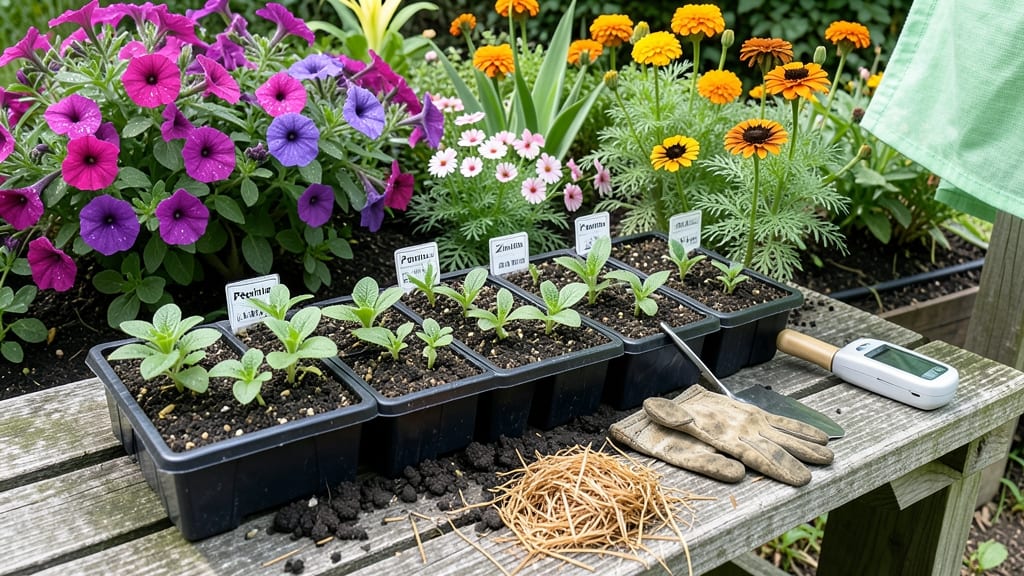
Timing your flowers planting in North Carolina can make the difference between a garden that bursts with color and one that fizzles before summer even arrives. With zones ranging from 6a to 8b, knowing when to tuck seeds into the earth—or when to hold off—isn’t just helpful, it’s essential.
Think about it: Plant your 🌸 too early in the Piedmont, and a late frost could wipe out your tender annuals. Wait too long in the Coastal Plain, and you’ll miss the sweet spot for fall blooms.
The key is understanding your local frost dates, soil temperatures, and which flowers thrive in your microclimate—whether you’re in the mountains or the flatlands.
I’ve spent years tracking planting windows across North Carolina, and what I’m about to share will help you avoid common mistakes. From bulbs that need a head start to annuals that beg for warm soil, we’ll break down the exact timing for bold blooms that last all season.
Ready to transform your garden into a year-round showstopper? Let’s dive into the zone-specific secrets that’ll keep your flowers happy—and your green thumb even happier.
North Carolina flower planting calendar by USDA Zone: exact dates for annuals & perennials
North Carolina stretches across USDA Zones 5A to 8B, meaning frost dates vary dramatically from the Coastal Plain to the Mountains. In Zone 5A (western NC), last frosts can linger until April 15, while Zone 8B (coastal areas) often sees frost-free conditions by March 1.
This variation means your planting timeline must account for both early-spring bulbs and heat-loving annuals.
To simplify, I’ve broken down the ideal planting windows by zone, flower type, and seasonal adjustments. Whether you’re sowing petunia seeds or transplanting azalea bushes, timing is everything.
For example, cool-season flowers like pansies thrive when planted 6-8 weeks before last frost, while tender annuals like marigolds should wait until after May 15 in most zones.
🌱 PRO TIP: Use your local Cooperative Extension Service (e.g., NC State) for hyper-local frost data. Their records often pinpoint 10-day windows that outperform generic calendars.
| Zone | Last Frost Date | Spring Planting Window | Fall Planting Window | Example Flowers |
|---|---|---|---|---|
| 5A (Mountains) | April 15 | March 15–April 30 | August 1–September 15 | Tulips, Dahlias, Coneflowers |
| 6A (Piedmont) | March 25 | March 1–April 15 | August 15–October 1 | Azaleas, Black-Eyed Susans, Snapdragons |
| 7A (Coastal Plain) | March 10 | February 20–April 1 | September 1–October 15 | Petunias, Marigolds, Zinnias |
| 8A/8B (Coastal) | February 15 | January 15–March 1 | September 15–November 1 | Pansies, Calendulas, Geraniums |
🌿 Note: Adjust for microclimates (e.g., urban heat islands may extend spring by 2 weeks).
For bulbs and perennials, plant in fall (September–October) to establish roots before winter. Tulips and daffodils in Zone 6A should go in by October 15, while Zone 8B gardeners can plant until November 15.
In contrast, tender annuals like begonias must wait until soil temps hit 60°F+, typically late April–May.
Soil temperature matters just as much as air temperature. Use a soil thermometer to confirm 50°F+ for cool-season crops and 65°F+ for warm-season flowers. In Zone 7A, for example, tomato plants (yes, they’re flowers too!) won’t thrive if planted before April 30, even if frost risk is low.
Don’t overlook succession planting—a technique where you stagger plantings every 2–3 weeks to ensure continuous blooms. For instance, sow zinnias in March, April, and May in Zone 7Bsummer through fall. This works especially well for cutting gardens or container displays.
If you’re in Zone 5A or 6A, consider using row covers or cold frames to extend your spring planting window by 2–3 weeks. These tools let you plant cold-hardy annuals
North Carolina’s three distinct growing seasons—cool springs, scorching summers, and crisp autumns—call for strategic flower choices. Cool-season blooms like pansies and snapdragons thrive in Zone 6A’s chilly mornings, while heat-lovers such as zinnias and salvias bask in Zone 8B’s summer sun. Let’s break down the best seasonal flowers for your region’s microclimates. For spring bloomers, focus on bulbs and hardy perennials like daffodils and columbines. These cool-weather champions emerge as soon as soil temps hit 50°F—perfect for March-April planting in most zones. In Coastal Plain areas (Zone 8), you can even start tender annuals like impatiens in late February under frost cloth. Summer’s 100°F+ heat demands drought-tolerant varieties. Native coneflowers and blanket flowers thrive with minimal water, while shade-loving impatiens keep borders vibrant under Piedmont oaks. Always mulch heavily to retain moisture—critical in Zone 7’s dry spells. Fall planting is your second chance for color! Chrysanthemums and asters love September’s cooler temps, while pansies handle light frosts down to 25°F. In mountain zones (6A-7A), aim for August sowing to establish roots before November’s first frost. Winter isn’t just dormant months—it’s prime time for early bloomers. Camellias and winter jasmine shine in Zone 7B’s mild winters, while hellebores brave Zone 6A’s snow. Plant bare-root bulbs like daffodils in December for March surprises. Pro tip: Succession plant heat-loving cosmos every 3 weeks in June-August to keep your garden blooming until first frost. And always check microclimates—your south-facing border may be Zone 8 while the north side stays Zone 6.Best flowers to plant in North Carolina by season: cool-weather vs. heat-loving varieties