
Plants
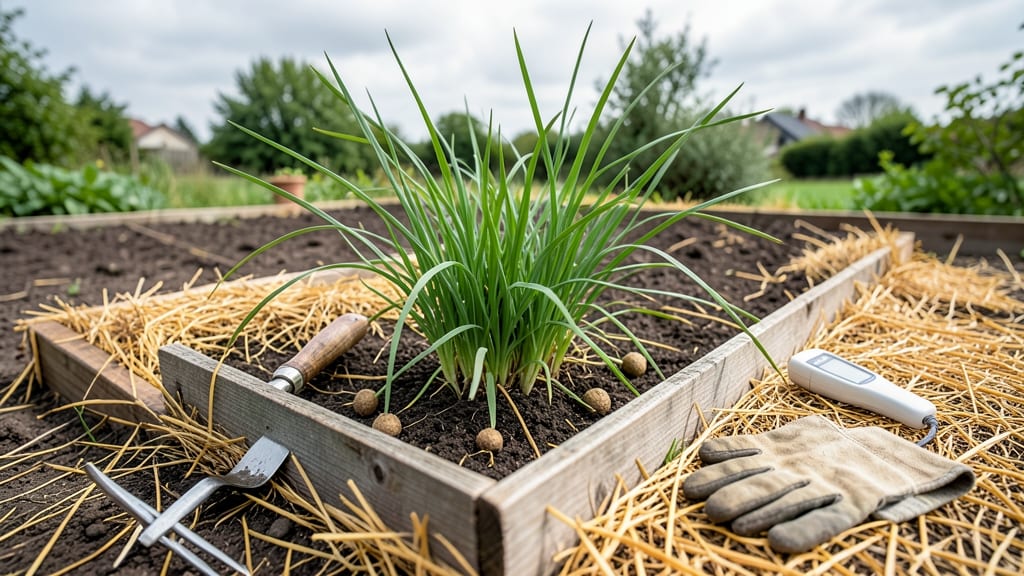
If you've ever wondered when to plant chufa in NC, timing is everything—especially when your coastal garden in Wilmington bakes under humidity while inland Raleigh shivers through late frosts.
This little-known tuber thrives in North Carolina's 7a-8b zones, but getting the window wrong means wasted effort (or worse, no harvest at all).
The key? Planting 🌾 chufa between late May and early June, when soil temperatures hit 65°F and the risk of frost has faded. But here's the catch: coastal areas can start 2-3 weeks earlier than Piedmont regions, where nights linger cooler.
Skip this detail, and your drought-resistant crop might bolt—or worse, rot in soggy soil.
I'll break down the exact frost-free windows for your microclimate, plus how to adjust for sandy soils and summer heat. Whether you're a first-timer or a seasoned gardener, these insights will help you double your harvest without guesswork.
Ready to grow tiger nuts that outlast NC's unpredictable summers? Let's dive into the perfect planting schedule for your specific zone—and avoid the mistakes that kill yields before they even sprout.
North Carolina’s chufa planting zones: coastal vs inland frost-free windows
North Carolina’s chufa planting success hinges on understanding your microclimate. The state spans USDA zones 7b-8a, but coastal areas like Wilmington experience milder winters, while inland zones like Raleigh face earlier frosts. This means your optimal planting window could shift by 4-6 weeks depending on location.
Chufa (Cyperus esculentus) thrives in warmth, requiring soil temperatures above 65°F for germination. In NC, this typically translates to late May for inland areas and mid-April near the coast. However, these dates aren’t set in stone—heat unit accumulation is the real decider.
Your frost-free period also varies dramatically. Coastal NC enjoys 240+ frost-free days, while inland areas average 200-220 days. This means chufa’s 120-day growing season fits comfortably in both regions, but timing adjustments are crucial for maximizing yield.
Here’s how the two primary NC regions compare for chufa cultivation:
| Factor | Coastal NC (Wilmington) | Inland NC (Raleigh) |
|---|---|---|
| USDA Zone | 8a (Milder winters) | 7b (Cooler winters) |
| Last Frost Date | February 15 | March 15 |
| First Frost Date | November 30 | November 15 |
| Frost-Free Days | 245+ days | 200-220 days |
| Optimal Planting Window | Mid-April to May 15 | Late May to June 1 |
| Soil Temp for Germination | 65°F (achieved by April 15) | 65°F (achieved by May 15) |
| Harvest Window | August 15 - October 15 | September 1 - October 15 |
| Key Climate Note | Higher humidity (60-70%) requires better drainage | Lower humidity (50-60%) but hotter summers (90°F+) |
For coastal growers, you can push planting as early as mid-April if you use row covers to protect young plants from unexpected cold snaps. Inland gardeners should wait until after May 15 to ensure soil warmth and avoid frost damage to emerging shoots.
The 120-day growing season works perfectly in both regions, but coastal areas gain an extra 30-45 days of potential harvest time. This means you could potentially stagger plantings for extended harvests near the coast, while inland growers should focus on one concentrated planting for maximum yield.
One critical factor often overlooked is soil moisture. Coastal areas experience higher rainfall during growing season, which can lead to waterlogged tubers if drainage isn’t proper. Inland areas, meanwhile, may require more frequent irrigation during summer droughts. Both scenarios demand well-amended sandy soil—NC’s native soil type.
Pro tip: Use a soil thermometer to verify soil temperatures before planting. Chufa tubers won’t sprout until they reach 65°F consistently for at least 3 days. This is especially important in transitional zones like the Piedmont, where temperatures can fluctuate wildly between day and night.
Remember that chufa is a perennial crop in NC’s climate, though many growers treat it as an annual for easier management. If you plant in early June, you’ll likely get a full harvest before first frost, while July plantings may produce smaller tubers but still yield before winter.
Your local extension office can provide hyper-local frost data, but these general guidelines will get you 90% of the way to successful chufa cultivation in North Carolina’s diverse growing conditions. 🌱
North Carolina’s chufa planting zones: coastal vs inland frost-free windows
North Carolina’s microclimates create dramatic differences in chufa planting windows. Coastal areas like Wilmington (USDA Zone 8a) enjoy a 120-day frost-free season starting March 15, while inland Raleigh (Zone 7b) waits until April 1 with only 215 frost-free days.
These differences mean your tiger nut harvest could shift by 6 weeks depending on location.
Chufa thrives in warm soil temperatures (minimum 65°F) and struggles with early spring chills. Inland areas must wait longer for soil to warm, while coastal zones can plant 2-3 weeks earlier.
The key is aligning your planting date with your local last frost and heat accumulation—not just calendar months.
| Factor | Coastal NC (Wilmington) | Inland NC (Raleigh) |
|---|---|---|
| USDA Zone | 8a | 7b |
| Last Frost Date | March 15 | April 1 |
| First Frost Date | November 15 | November 1 |
| Frost-Free Days | 240+ | 215 |
| Ideal Planting Window | May 1 - June 15 | May 15 - June 30 |
| Soil Temp Requirement | 65°F+ (earlier) | 70°F+ (later) |
| Harvest Window | August 15 - October 1 | September 1 - October 15 |
For coastal gardeners, chufa can even handle early May plantings if you use black plastic mulch to warm soil faster. Inland growers should wait until June 1 to avoid late spring frosts that can kill young plants.
The 120-day growing season means timing is everything—plant too early, and your tubers won’t mature before frost.
Pro tip: Use a soil thermometer to confirm 65°F+ soil temps before planting. Coastal areas often hit this by mid-April, while Piedmont regions may need to wait until late May. Mountain zones (Zone 6b) should consider container growing for earlier harvests.
Remember, chufa is a warm-season crop that hates cold. Even a single 32°F night can stunt growth. Coastal gardeners have a 3-week head start—use it wisely by starting tubers indoors 4-6 weeks before your target planting date for a longer harvest window.
Your local extension office can provide precise frost dates, but these general rules will help you avoid common mistakes like planting too soon in cooler inland areas or missing the optimal 65°F soil window in coastal zones.
With the right timing, you’ll enjoy homegrown tiger nuts from August through October—no matter where you garden in NC! 🌾