
Planting
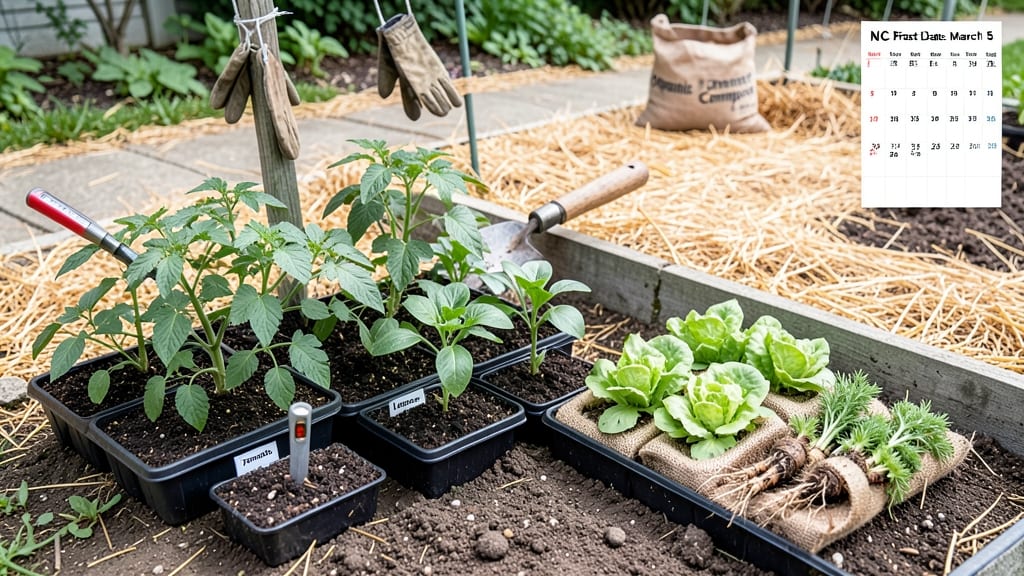
Timing your garden in North Carolina isn’t one-size-fits-all—plant too early in the mountains, and frost will nip your dreams. But get the window right, and you’ll enjoy a bountiful harvest from tomatoes to herbs all season long.
With three distinct microclimates—coastal, Piedmont, and mountain—your ideal planting dates can vary by weeks. I’ll break down the exact frost-free windows for each zone so you can start seeds and transplants with confidence, avoiding the common pitfalls that leave gardens struggling.
Whether you’re prepping for spring’s first warm snap or planning a fall harvest, knowing when to plant makes all the difference. Let’s dive into the precise months and strategies tailored to your corner of NC.
From Asheville’s cooler highlands to Wilmington’s extended growing season, we’ll cover everything you need to time your garden perfectly. No more guesswork—just thriving plants and a zero-frost success rate.
NC planting calendar by region: mountain vs Piedmont vs Coastal timelines
North Carolina’s three distinct climate zones—Mountains, Piedmont, and Coastal Plain—each demand different planting strategies. The USDA hardiness zones in Asheville (Zone 6b-7a) differ drastically from Wilmington (Zone 8a-8b), meaning your last frost dates can vary by 4-6 weeks.
Let’s break down the exact windows for your region to ensure zero-frost risk.
In the Mountains (Zone 6-7), like Asheville, the average last frost falls between April 15-30, while the Coastal Plain (Zone 8), such as Wilmington, enjoys frost-free conditions by February 15-March 1.
The Piedmont (Zone 7), including Raleigh, typically sees its last frost around March 20-April 5. These dates are critical for warm-season crops like tomatoes and peppers.
Here’s the visual comparison of planting timelines by region, including ideal start dates for seeds and transplants, along with heat zone considerations to maximize your garden’s potential.
For cool-season crops like lettuce, spinach, and peas, you can start seeds 6-8 weeks before your last frost date. In the Mountains, this means February 15-March 1, while Coastal gardeners can begin as early as December 15-January 1.
These crops thrive in 50-65°F soil temperatures, so wait until the ground warms slightly to avoid rot.
In Zone 7 (Piedmont), where I garden in Raleigh, I’ve learned to trust the 32°F nighttime lows as my guide. If your local weather station predicts a late-spring freeze, cover tender plants like tomato seedlings with frost cloth or move them under a hoop house.
This tactic has saved my $50+ worth of transplants multiple times.
For warm-season crops such as squash, cucumbers, and okra, wait until the soil reaches 60°F+—typically late April in the Mountains and mid-March on the Coast.
Planting too early in cool soil stunts root growth and invites damping-off disease. Use a soil thermometer to confirm readiness; I never plant without checking!
Fall planting in NC follows a similar regional pattern. In the Mountains, you can sow cool-season crops like kale and carrots as early as August 15, while Coastal gardeners enjoy a 3-month extension into November.
Always calculate 90 days to maturity from your first frost date to avoid winter-killed plants.
Pro tip: Bookmark your local Cooperative Extension Service frost maps—they update annually and account for microclimate shifts. For example, a south-facing slope in the Piedmont may warm 2-3 weeks earlier than a north-facing valley. Observing these nuances has helped me double my harvest yield in just 2 seasons.
Remember, NC’s climate is unpredictable. Even if your neighbor’s tomatoes thrive with an early April transplant, a late frost could wipe out your garden. When in doubt, start seeds indoors and use row covers for an
How to adjust planting times for early vs late varieties in NC’s unpredictable spring
North Carolina’s spring weather can be as unpredictable as a mountain stream—one day warm, the next with a surprise frost. That’s why adjusting planting times for early vs late varieties is your secret weapon for a thriving garden.
The key? Knowing which crops can handle cool soil and which need consistent warmth to thrive.
For example, cool-season crops like broccoli and peas can handle 45°F soil and even light frosts, while warm-season lovers like tomatoes and peppers need 60°F+ soil to avoid stunted growth. I’ve learned the hard way—planting tomatoes too early in Raleigh’s Zone 7b leads to leggy, sad seedlings that never recover.
Here’s how to navigate NC’s unpredictable spring without losing your sanity (or your seeds). The trick is layering cold-hardy crops with heat-tolerant swaps to keep your harvests rolling from April through October.
| CROP TYPE | IDEAL PLANTING TIME | SOIL TEMP REQUIREMENT | NC REGION NOTES |
|---|---|---|---|
| Cool-Season (Leafy Greens) | 4-6 weeks before last frost (Feb-Mar) | 45-55°F | Mountains: Start indoors Jan 15; Coast: Wait until March 15 |
| Warm-Season (Tomatoes/Peppers) | 2-3 weeks after last frost (Apr-May) | 60°F+ | Piedmont: Use row covers for early starts; Coast: Wait until May 1 |
| Heat-Tolerant Swaps | Late April-June | 55°F+ | Replace lettuce with malabar spinach in Zone 8+ |
| Succession Crops | Every 2-3 weeks (Apr-Oct) | Varies by crop | Radishes: 30 days; Bush beans: 60 days |
One of my favorite season-extending tricks is using succession planting for crops like radishes and bush beans. Plant a new batch every 2-3 weeks from April through August, and you’ll have a continuous harvest without gaps.
This works especially well in the Piedmont’s Zone 7a, where springs can be deceptive—what feels like summer in April often drops back to 30°F by May.
For late varieties, focus on crops that thrive in hot, humid summers like okra, sweet potatoes, and southern peas. These plants don’t mind the 90°F+ heat that hits the Coastal Plain by July.
I’ve had amazing success with ‘Crimson Spinach’ okra planted in late May—it’s still producing pods when most other gardens are wilting.
Remember, microclimates matter. A south-facing slope in Asheville might be 10°F warmer than your neighbor’s shady backyard. Use these adjustments to your advantage: plant heat-lovers early in sunny spots and cool crops late in sheltered areas. Your garden’s first harvest will thank you!