
Plants
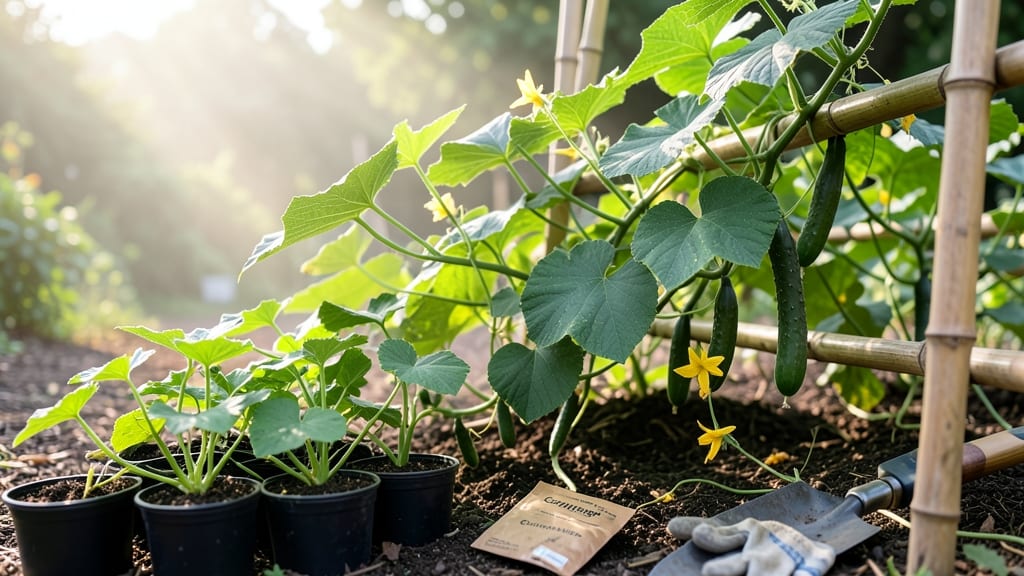
Timing your cucumber planting in North Carolina can mean the difference between a bountiful harvest and wasted effort. The right window ensures your 🥒 plants thrive in the Tar Heel State's unique climate, where last frost dates vary dramatically from the mountains to the coast.
I've grown cucumbers across NC's 7b, 8a, and 8b zones, and the key isn't just checking a calendar—it's understanding when your soil warms to 55°F or higher.
Plant too soon, and chilly nights will stunt your seedlings; wait too long, and summer's heat might stress your vines before they produce.
What you'll discover here is the exact frost-free timeline for each zone, plus proven strategies to extend your growing season. Whether you're a first-time gardener or a seasoned pro, these insights will help you avoid common mistakes and maximize your cucumber yield.
Let's dive into the science behind successful cucumber planting so you can enjoy fresh, homegrown 🥒 all summer long—without the guesswork.
North Carolina cucumber planting timeline by climate Zone (7b, 8a, 8b)
North Carolina spans three key USDA zones for cucumber growing: 7b, 8a, and 8b. Each has distinct last frost dates and soil warming patterns that dictate your planting window.
In my Zone 8a garden in Raleigh, I’ve learned that waiting for soil to reach 55°F is non-negotiable—cucumbers won’t germinate below this temperature.
For Zone 7b (western NC mountains), aim for mid-April to early May after your average last frost (March 15-April 15). Zone 8a (central NC) can start as early as late March, while Zone 8b (coastal areas) may begin planting in February.
However, these dates are just starting points—soil temperature matters more than the calendar.
Here’s the critical difference: Direct sowing (planting seeds outdoors) requires warmer soil than transplanting seedlings. I always use a soil thermometer to confirm 60°F+ for direct sowing, which typically happens 2-3 weeks after your last frost date.
Transplants can tolerate slightly cooler soil (55°F) but need to be hardened off first.
Summer planting is also possible in NC’s warmer zones. For a fall harvest, sow seeds in late July to early August when soil temperatures drop below 90°F. This second planting avoids the brutal summer heat that can stress cucumber vines and reduce yields.
One common mistake I see is planting cucumbers too early in Zone 7b and watching seedlings die from overnight frosts. Always check NC State Extension’s frost maps and add a 10-day buffer after your average last frost date before planting.
Heat tolerance is another factor. Cucumbers thrive in 75-85°F soil but struggle above 90°F. In Zone 8b, I’ve had success with shade cloth during peak summer months to protect young plants from heat stress.
Let’s break down the exact planting windows for each zone, including soil temperature thresholds and recommended varieties that perform best in NC’s climate.
| Zone | Last Frost Date | Soil Temp for Planting | Direct Sow Window | Transplant Window | Fall Planting Window |
|---|---|---|---|---|---|
| 7b (Mountains) | March 15-April 15 | 60°F+ | Mid-April to early May | Late April | Late July |
| 8a (Central NC) | March 1-April 15 | 55°F+ | Late March to early April | Mid-March | Early August |
| 8b (Coastal NC) | February 15-March 15 | 50°F+ (transplants) | February to early March | Late February | Mid-July |
🌱 Pro Tip: Use black plastic mulch to warm soil faster in cooler zones (7b).
In my experience, Zone 8a gardeners have the most flexibility, while Zone 7b growers must be extra vigilant about frost dates. I once lost a batch of seedlings in Asheville because I planted too early—don’t make that mistake!
For direct sowing, plant seeds 1 inch deep and 2-3 inches apart in hills. Space hills 3-4 feet apart to allow for trellising or sprawling vines. If transplanting, choose healthy 3-4 week old seedlings and bury them deeper than their original pot to encourage root growth.
Another tip: Succession planting every 2 weeks after your initial sowing ensures a continuous harvest. I’ve found that Bush Champion and Straight Eight varieties are reliable choices for NC’s climate, producing well even in Zone 7b’s shorter growing season.
Finally, remember that humidity in NC can promote fungal diseases like powdery mildew. Always plant in full sun (6+ hours daily) and avoid overhead watering to keep foliage dry. With the right timing and care, you’ll enjoy homegrown cucumbers from June through October!
5 Signs your NC soil is ready for cucumber planting (beyond the calendar)
Checking a calendar for frost dates is just the first step—your soil conditions determine whether cucumber seeds will germinate or rot. In my Zone 8a garden, I’ve seen seeds fail to sprout even after "safe" planting dates because the soil wasn’t warm enough.
The key is testing for soil warmth, moisture, and nutrient readiness before planting.
First, use a soil thermometer to confirm temperatures. Cucumbers need 55°F+ for transplants and 60°F+ for direct sowing. I check readings in the late afternoon when soil is warmest—anything below these thresholds means waiting another week.
In Zone 7b, this often means delaying planting until mid-May even if frost dates suggest earlier planting.
- 🌡️ Soil temp test: 55°F+ for transplants, 60°F+ for direct sowing
- 💧 Moisture test: Squeeze soil—it should hold shape but not be soggy
- 🌱 Weed growth: If weeds are actively growing, your soil is warm enough
- 🥔 Potato test: Bury a potato—if it sprouts in 10 days, soil is ready
- 🌿 Compost check: Fresh compost raises soil temp by 3-5°F faster
Don’t rely on calendar dates alone—perform the paper towel test for moisture. Press a handful of soil between two paper towels and wait 10 minutes. If water doesn’t wick through, your soil is too dry.
In Zone 8b’s humid climate, I’ve had to amend sandy soil with compost to retain moisture during NC’s dry spells. The goal is consistent dampness, not sogginess.
Another telltale sign is weed activity. If weeds like crabgrass are sprouting, your soil is warm enough for cucumbers. I’ve also used the potato sprout test: bury a raw potato near my planting area.
If it sprouts green shoots in 10 days, your soil is ready. This works because potatoes and cucumbers have similar temperature requirements.
For cool zones (7b), extend your season with black plastic mulch or row covers. These raise soil temperatures by 5-10°F and create a microclimate that mimics warmer zones. I’ve seen 3-4 week earlier harvests by using these techniques in my mountain garden. Just
Finally, check for nutrient readiness by doing a simple compost tea test. Mix compost tea with water and pour it on your soil. If it’s absorbed quickly, your soil has good porosity. If it pools, you may need to amend with perlite or sand. Cucumbers are heavy feeders, so well-composted soil gives them the phosphorus boost they need for strong roots.
By combining these 5 soil readiness tests, you’ll avoid the frustration of failed seedlings and ensure your cucumbers thrive from the first planting. The right timing isn’t just about dates—it’s about creating the perfect growing environment for your plants to succeed.