
Plants
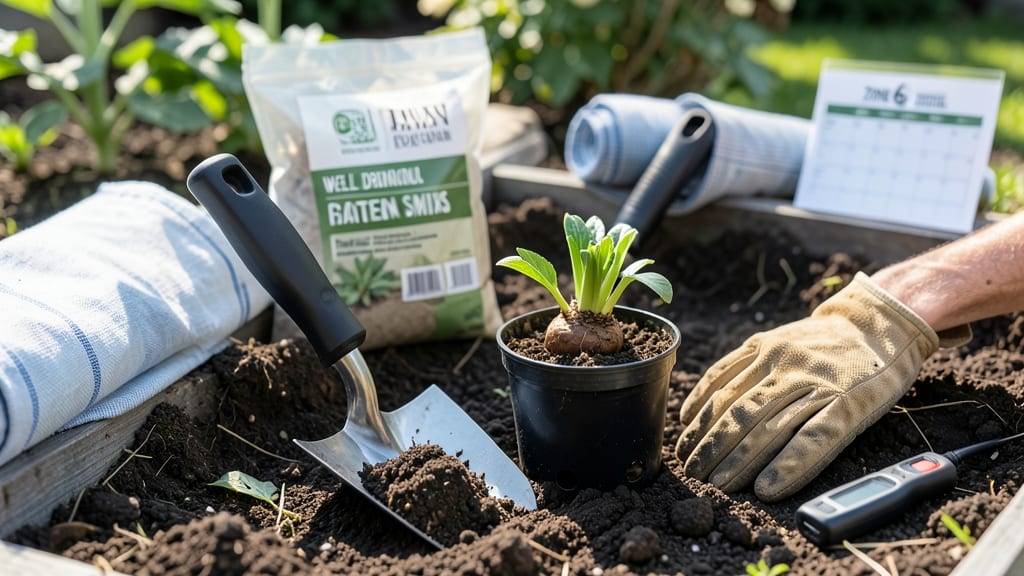
Timing your dahlia planting in Zone 6 can make or break your garden’s boldest blooms—because these stunning 🌼 flowers demand precision. Plant too early, and frost will turn your tubers to mush; too late, and you’ll miss months of vibrant color.
The key? Waiting until soil hits 60°F (usually late April to mid-May in 6a), when roots can thrive without risk.
I’ve learned the hard way that rushing dahlia tubers into cold soil is a fast track to disappointment. But with the right prep—like chitting tubers indoors or soaking them before planting—you can jumpstart growth and ensure those dramatic blooms arrive right on schedule.
Let’s break down the exact steps to get your dahlias off to a flying start.
What you’ll discover here isn’t just about dates—it’s about reading your local microclimate. Zone 6’s last frost typically lands around April 15, but soil temperature lags behind air temps. That’s why waiting for 60°F soil (not just warm air) is non-negotiable for tuber survival.
From hardening off your tubers to spacing them 12-15 inches apart, this guide covers every detail to turn your dahlias into the showstopper they’re meant to be. Ready to grow 🌼s that steal the show? Let’s get started.
Optimal planting timeline for dahlias in Zone 6 based on soil temperature
In Zone 6, the key to successful dahlia planting isn’t just waiting for the last frost—it’s monitoring soil temperature. Dahlias thrive when soil reaches 60°F or warmer, signaling safe planting conditions.
This typically falls between late April and mid-May, but exact timing varies yearly based on weather patterns.
Why soil temperature matters: Cold soil (50°F or below) stunts root growth, leaving tubers vulnerable to rot. Using a soil thermometer ($10 at garden centers) ensures you plant at the perfect moment.
If your soil hasn’t warmed enough by May, hold off—rushing leads to weak plants and fewer blooms.
For Zone 6 gardeners, the last average frost date (around April 15) is just a starting point. Always confirm soil warmth before planting. Pro tip: Planting too early (before 60°F) risks frost damage, while waiting too long (after June 1) delays the stunning blooms you’re craving.
🌱
| Stage | Action | Zone 6 Timeline |
|---|---|---|
| Soil Prep | Test soil pH (6.0–7.0), amend with compost | Mid-March to early April |
| Chitting Tubers | Pre-sprout tubers indoors (late March) | 4–6 weeks before last frost |
| Hardening Off | Acclimate tubers to outdoor temps | Early April |
| Planting Window | Plant when soil hits 60°F | Late April–mid-May |
| First Blooms | Expect flowers 60–90 days after planting | Late July–early August |
Adjust for your local microclimate: Urban areas warm faster than rural spots, while low-lying gardens may stay cooler. If you’re in a Zone 6a area (colder subzone), err on the side of waiting—planting in early May is safer than late April.
Conversely, Zone 6b gardeners might plant as early as late April if soil warms early.
Use this 3-step check before planting:
- Soil thermometer confirms 60°F+;
- Nighttime temps stay above 45°F;
- Tubers show 1-inch sprouts. Skipping any step risks poor establishment.
For example, I planted dahlias in early May 2022 when soil hit 62°F, and my ‘Café au Lait’ variety bloomed by July 15—a full month earlier than neighbors who waited until June.
Extend your season with row covers if late frosts threaten. Lightweight fabric (like Agribon) protects young plants until soil fully warms. Remove covers during the day to prevent overheating. This trick adds 2–3 weeks of growing time, giving you more blooms before frost.
🌿
Remember: Dahlias are tender perennials—they die back in frost but regrow from tubers. In Zone 6, dig up tubers after first frost (October 15) and store them in sphagnum moss at 40–50°F for next year. Proper timing now means bigger tubers and more blooms in future seasons.
💧
Optimal planting timeline for dahlias in Zone 6 based on soil temperature
In Zone 6, the key to successful dahlia planting lies in waiting for the soil temperature to reach a consistent 60°F. This threshold ensures your tubers won’t rot from cold soil while giving them the warmth they need to sprout.
For most of Zone 6, this typically falls between late April and mid-May, but your exact timing depends on your local microclimate.
Use a soil thermometer to check temperatures at a depth of 4-6 inches—this is where your dahlia tubers will sit.
If your soil is still below 60°F, even if daytime air temperatures are warm, hold off on planting. Cold soil is the #1 reason dahlia tubers fail to thrive, leading to mold or delayed growth.
Here’s how to align your planting with Zone 6’s frost dates and soil conditions for maximum success:
| Stage | Action | Zone 6 Timeline |
|---|---|---|
| Prep Tubers | Chit and soak tubers indoors (3-4 weeks before planting). | Early March to early April |
| Monitor Soil | Wait for soil to warm to 60°F+ at 4-6" depth. | Late April to mid-May |
| Plant Tubers | Plant 4-6" deep, 12-15" apart in full sun. | Mid-May to early June |
| Hardening Off | Acclimate seedlings to outdoor conditions for 7-10 days. | Late May to early June |
| First Frost | Dig up and store tubers before first frost (Oct 15). | Mid-October |
If you’re in a cooler microclimate within Zone 6 (like higher elevations), aim for early June planting to avoid late frosts. Conversely, in warmer pockets, you might plant as early as late April. Always check your local USDA Plant Hardiness Zone Map for precise adjustments.
Pro tip: Cover young plants with frost cloth if an unexpected late frost threatens. Dahlias are frost-sensitive, and even a light freeze can damage tender new growth. A little extra protection now means bold blooms later!
Once planted, focus on consistent moisture and well-draining soil to keep your dahlias thriving. With the right timing, you’ll enjoy vibrant blooms from July to October—worth the wait!