
Flowers
New England’s frost zones & flower planting deadlines by region
New England’s USDA Hardiness Zones 3–7 create a patchwork of frost timings that can confuse even seasoned gardeners. From Zone 3’s harsh winters in northern Maine to Zone 6b’s milder coastal areas, your last frost date shifts dramatically—sometimes by weeks within a single state.
For example, Portland, Maine (Zone 5) typically sees its last frost around May 15, while New Haven, Connecticut (Zone 6b) averages May 1. These differences mean the wrong timing can turn your annuals into frost snacks or delay perennials from establishing roots.
Understanding these microclimates is critical because annuals like marigolds need 60°F soil to thrive, while hardy perennials like coneflowers can handle 50°F and even light frosts. Plant too early, and tender roots suffer; too late, and you miss the bloom window.
The key? Know your zone and adjust for coastal moderation (warmer winters) or inland cold snaps (later springs).
Here’s how New England’s regions break down for spring planting of flowers, with last frost averages and ideal planting windows to maximize blooms:
For fall planting, the rules flip: Aim for 6–8 weeks before your first frost (typically September 1–15 for most of New England). Bulbs like tulips need chilling, so plant them in October for spring blooms.
Meanwhile, annuals like pansies can handle light frosts and thrive when planted in early September.
Pro tip: Use frost clocks or local Cooperative Extension Service alerts to track real-time updates.
In Zone 4, a late May frost isn’t unheard of, while Zone 6 gardeners might see June frosts near lakes. Hardy perennials like black-eyed Susans or bee balm are your safest bets for early spring color, as they tolerate cooler soils and light frosts.
If you’re in Zone 3,
Microclimate adjustments: how elevation, water bodies & urban heat islands shift planting windows
New England’s microclimates can shift your flower planting windows by weeks—sometimes even months—depending on where you live. A valley garden might see frost 2 weeks later than a hilltop, while urban heat islands can extend the growing season by 3-4 weeks.
Understanding these variations helps you avoid frost damage and maximize bloom time.
If you live near large bodies of water (like Lake Champlain or Cape Cod’s coast), expect cooler, slower-warming soils in spring. These areas often have later last-frost dates by 10-14 days compared to inland spots.
Conversely, urban areas with pavement and buildings can trap heat, pushing soil temperatures up faster and allowing earlier plantings of heat-loving annuals like petunias or marigolds.
🚨 WARNING: Microclimate Mistakes Can Ruin Your Garden 🚨
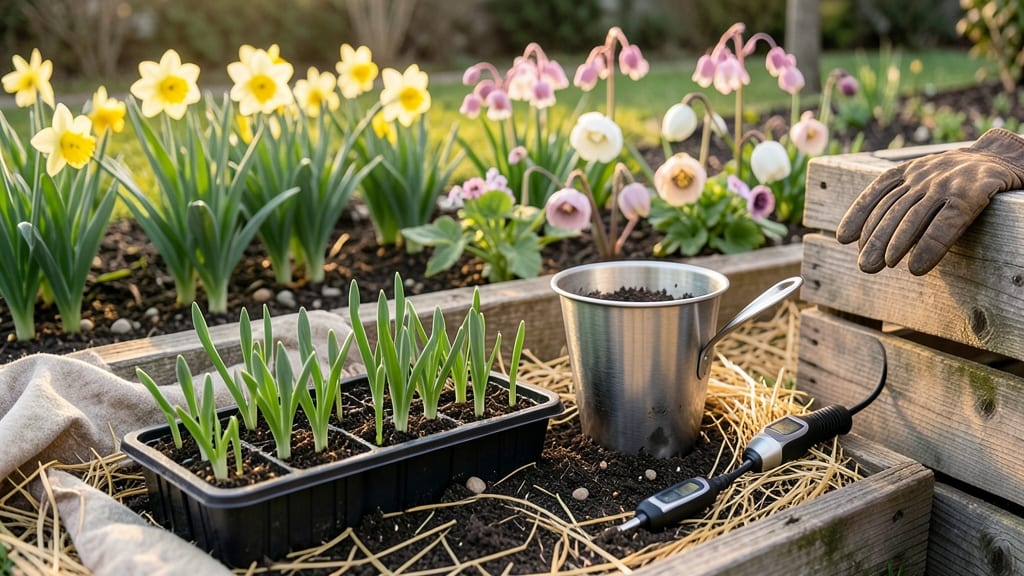
Use a soil thermometer to confirm when your garden is truly ready. Most annual flowers need soil temps of 60°F+ for 24 hours, while perennials can tolerate cooler 50°F soil. Check temps in the morning (soil cools overnight) and afternoon (peak warmth) to get an accurate reading. For coastal gardeners, wait until May 15th or later—even inland areas like central Massachusetts can see surprise frosts in late May.
Elevation plays a huge role too. Gardens at 2,000+ feet (like parts of Vermont’s Green Mountains) may have 30-45 fewer frost-free days than sea-level spots.
If you’re in a high-elevation microclimate, opt for early-blooming perennials like columbine or lupine, which tolerate cooler temps, and shorten your annual flower season by choosing fast-growing varieties like cosmos or zinnias.
Pro tip: Group plants by microclimate needs. Dedicate one bed to heat-lovers (petunias, vinca) near a south-facing wall, another to cool-season flowers (pansies, snapdragons) in a shadier, cooler spot, and use row covers for tender annuals in late spring if frost threatens.
This layered approach ensures continuous color from May through October, even in New England’s trickiest microclimates.
For urban gardeners, monitor your local weather station data—many cities have 10°F+ temperature differences just a few blocks apart. If you’re unsure, start with hardy annuals like marigolds or sunflowers, which tolerate cooler soils and give you a buffer while you test your microclimate’s true planting window.