
Flowers
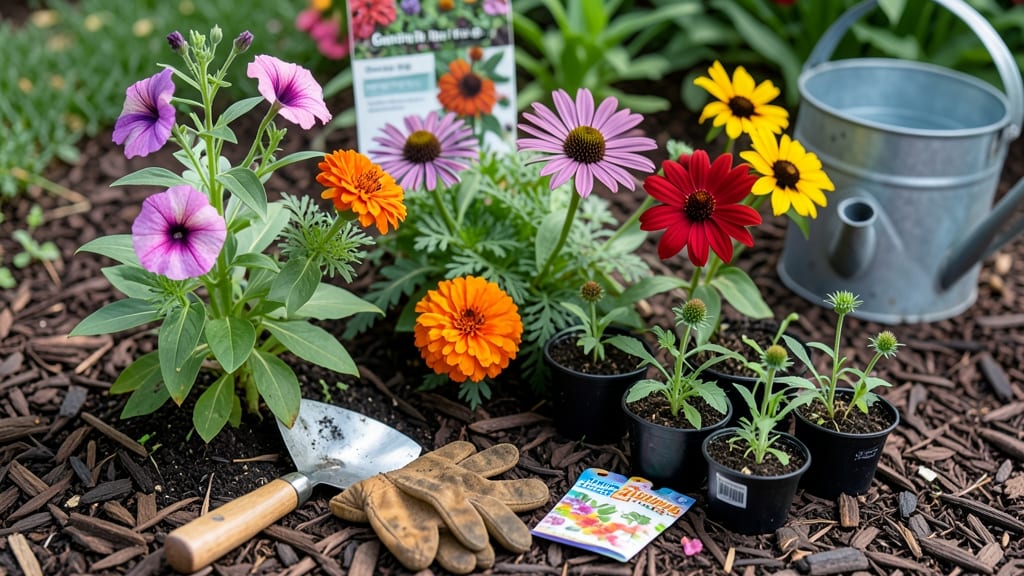
Timing your flowers planting in Denver wrong could mean frost-nipped dreams before they even bloom. With USDA Zone 6a and Denver’s unpredictable high-altitude swings, knowing the exact window makes all the difference between a showstopping garden and a sad, shriveled mess.
I’ve tested the best planting schedules here, and the secret isn’t just waiting for the calendar—it’s tracking soil temperature (aim for 50°F or warmer) and adjusting for microclimates.
Whether you’re planting annuals like zinnias or hardy perennials, missing the March–May spring window or the September fall slot can leave your garden playing catch-up.
In this guide, I’ll break down Denver’s frost-free zones, show you the month-by-month planting calendar for top blooms, and share pro tips to extend your season without frost damage. No more guesswork—just vibrant, thriving 🌸 all season long.
Ready to skip the trial-and-error? Let’s get those flowers in the ground at the perfect moment—before Denver’s weather throws another curveball.
Denver’s frost-free planting zones: when to plant annuals vs perennials
Denver’s elevation—ranging from 5,280 feet downtown to over 8,000 feet in the foothills—creates unique microclimates that shift planting windows dramatically. The last average frost date in Denver is around April 15, but high-elevation areas can see frost as late as May 10.
This means your downtown garden and mountain-side plots don’t follow the same schedule.
For annual flowers like marigolds or zinnias, wait until after the last frost and when soil temps hit 50°F+. In Denver’s USDA Zone 5b-6a, this typically lands in mid-to-late May for most areas.
Perennials, however, have different rules—they need time to establish roots before winter, so late summer (August-September) is ideal for planting hardy varieties like coneflowers or black-eyed Susans.
Cool-season flowers like pansies or snapdragons are exceptions—they thrive in Denver’s cool spring and fall and can even handle light frosts. These can go in the ground as early as March or as late as September, giving you year-round color with minimal effort.
Warm-season bloomers (petunias, dahlias, sunflowers) demand patience. Planting too early in Denver’s chilly soils stunts growth, while waiting too long risks shorter bloom seasons.
The two-week rule applies here: If your high-elevation garden is 1,000 feet above downtown, delay planting by 2 weeks to avoid frost surprises.
Denver’s first frost usually arrives around October 15, but again, elevation matters. Gardens above 7,000 feet may see frost by mid-September. This means fall planting should wrap up by early September for most annuals, while perennials can handle late-September starts if protected.
🌱Pro Tip: Use Denver’s Colorado State University Extension frost date maps to pinpoint your exact microclimate. Their data accounts for Denver’s 100+ degree temperature swings between day and night, which traditional guides often overlook.
Denver’s south-facing slopes warm up faster than north-facing yards, creating microclimates where you might plant 2 weeks earlier in sunny spots. Test your soil with a soil thermometer—if it’s below 50°F, wait. Cold soil shocks tender roots, even in hardy plants.
For container gardening in Denver, timing shifts slightly. Containers warm up faster than ground soil, so you can plant 1-2 weeks earlier in pots. Just ensure they’re in a protected location
Month-by-month planting calendar for Denver’s top 10 flowers
Denver’s 165 frost-free days demand precision—planting too early risks frost damage, while waiting too long cuts your bloom season short. I’ve mapped out the exact planting windows for Denver’s most beloved flowers, adjusted for our 5,280 ft elevation and microclimates.
Use these dates as your garden’s GPS to maximize blooms from spring to fall.
For cool-season flowers like pansies and snapdragons, start in early March (after the last frost, typically April 15).
These hardy annuals thrive in 50°F soil and can handle light frosts. Warm-season favorites like petunias and zinnias, however, need to wait until soil temps hit 60°F, usually mid-May. High-elevation areas should delay by 2 weeks.
🌸 Denver’s Planting Timeline
- March: Cool-season flowers (pansies, violas) + bulbs (tulips, daffodils) after April 15 frost date.
- April: Hardy perennials (coneflowers, lavender) + transplant seedlings (marigolds, zinnias).
- May: Warm-season annuals (petunias, geraniums) when soil ≥60°F (test with thermometer!).
- June: Heat-lovers (dahlias, sunflowers) + succession plant fast growers (basil flowers, nasturtiums).
- July-August: Fall bloomers (mums, asters) for late-season color; avoid planting after August 15.
- September: Bulbs (tulips, crocuses) for spring blooms + cool-season veggie flowers (nasturtiums).
Pro tip: Use Denver’s "two-week rule"—if you’re above 6,000 ft, delay planting by 2 weeks from the calendar. For example, plant petunias in late May in Lakewood (8,000 ft) vs. mid-May in Denver proper.
Check soil temperature with a $10 digital probe—it’s the #1 way to avoid frost surprises.
Don’t overlook fall planting! September is prime for bulbs (like tulips) and cool-season annuals (pansies, calendulas). These plants establish roots in 55°F soil before winter dormancy, giving you earlier spring blooms.
Just stop planting after August 15—new roots won’t harden before Denver’s first frost (October 15).
For container gardens, adjust timing by 1-2 weeks earlier—pots heat up faster and dry out quicker. Use self-watering containers to keep soil moist during Denver’s dry springs. And remember: Mulch with straw after planting to retain moisture and regulate soil temperature—critical for our temperature swings.
Need a quick reference? Bookmark the Colorado State University Extension’s Denver Planting Guide ([link](#)) for real-time updates on frost dates and soil conditions. Happy planting—your garden’s success starts with the calendar! 🌿