
Flowers
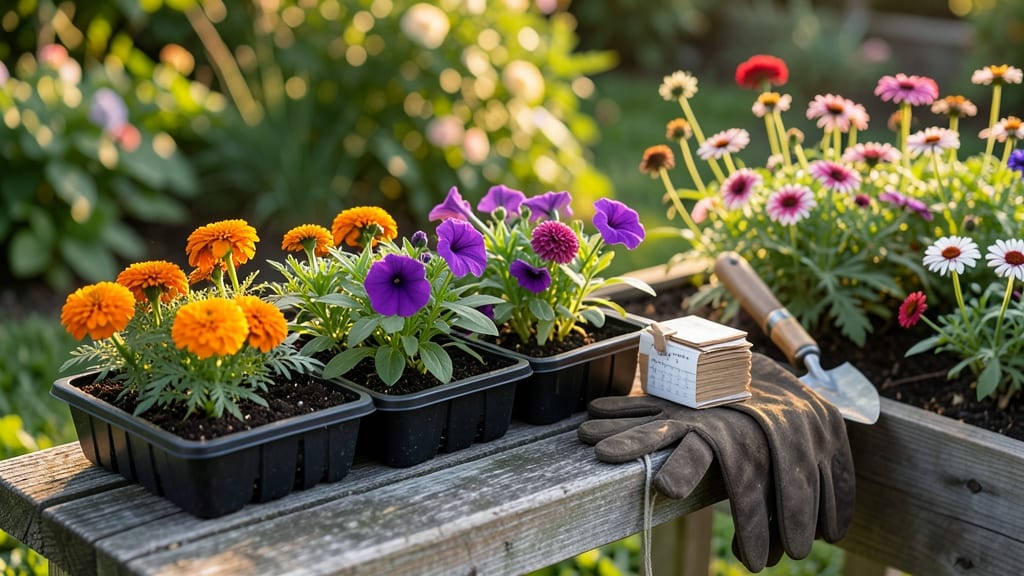
Timing your when to plant flowers in GA can mean the difference between a garden that bursts with color and one that fizzles before it even begins. Georgia’s unique climate—with its humid summers, mild winters, and varying frost dates—demands a smart approach to planting.
If you’ve ever watched your 🌱 flowers wilt under the scorching sun or freeze before blooming, you know how crucial the right schedule is. The key isn’t just picking the right month but understanding your specific zone—whether you’re in the cooler mountains or the warmer coastal plains.
In this guide, I’ll break down the best months to plant flowers in Georgia, from spring bulbs to fall perennials, so you can enjoy vibrant blooms all year. Whether you’re a seasoned gardener or just starting, these tips will help you avoid common pitfalls and maximize your garden’s potential.
Ready to transform your yard into a year-round paradise? Let’s dive into the best planting strategies tailored just for Georgia’s climate.
Georgia planting zones: when to plant flowers by month for maximum blooms
Georgia spans USDA Zones 7b to 8a, creating a unique gardening challenge where spring and fall are prime planting seasons—but timing varies by region. North Georgia’s cooler microclimates (Zone 7b) favor early spring plantings, while coastal areas (Zone 8a) can handle warm-season flowers year-round with minimal frost risk.
The key? Aligning your planting schedule with local frost dates and soil temperatures.
For most of Georgia, the last frost date typically falls between March 15 (North GA) and February 15 (Coastal GA). Conversely, the first frost arrives as early as November 15 in the mountains but often waits until December in Atlanta.
These dates dictate whether you’re planting cool-season flowers (like pansies) or warm-season blooms (like zinnias).
Here’s the breakdown: Spring planting (March–May) is ideal for annuals, bulbs, and perennials like tulips and daylilies, while fall planting (September–November) gives cool-loving perennials (e.g., asters, mums) a head start before winter.
Summer planting is risky for most flowers due to heat stress, but heat-tolerant annuals (like lantana) thrive with proper watering.
| Season | Planting Window | Best Flowers | Soil Temp | Notes |
|---|---|---|---|---|
| Early Spring | March–April | Pansies, Snapdragons, Tulips | 50–60°F | Plant after last frost; mulch for warmth. |
| Late Spring | May–June | Petunias, Zinnias, Marigolds | 60–70°F | Wait until soil warms; water deeply. |
| Fall | September–October | Mums, Asters, Salvia | 60–70°F | Plant 6–8 weeks before first frost. |
| Winter (Coastal) | December–January | Pansies, Viola, Calendula | 50–60°F | Only Zone 8a; protect from light frosts. |
Microclimates play a huge role in Georgia. For example, Atlanta’s urban heat islands can delay frost by 2–3 weeks compared to rural areas, while mountain regions may experience frost as early as October.
Always check local frost maps (like the Georgia Climate Project) and adjust your schedule accordingly. If you’re unsure, start seeds indoors 4–6 weeks before the last frost date for cool-season flowers.
One common mistake? Planting warm-season flowers too early. Zinnias and marigolds won’t thrive if soil temperatures dip below 60°F. Use a soil thermometer to confirm warmth before planting.
For bulbs like tulips, plant them in fall (October–November) so they establish roots before winter dormancy. This timing ensures vibrant spring blooms without the hassle of spring planting.
Georgia’s humidity and heat also demand adjustments. Mulching with pine straw helps retain moisture for summer annuals, while drip irrigation prevents fungal diseases like powdery mildew. For container gardening, opt for self-watering pots to avoid wilting during Atlanta’s summer heatwaves.
Even native flowers like black-eyed Susans benefit from regular watering until established.
Pro tip: Succession planting extends your blooms. For example, sow zinnias every 2 weeks in spring to ensure continuous color through fall. Similarly, fall-planted pansies will bloom until December in Zone 8a. This strategy maximizes your garden’s potential without overcrowding.
Pair it with deadheading spent blooms to encourage more flowers and prolong the season.
Don’t overlook perennial flowers, which establish roots over time and require less annual replanting. Daylilies and
Best flowers to plant in Georgia by season: a year-round blooming guide
Georgia’s diverse climate lets you enjoy blooms year-round, but the key is planting the right flowers at the right time. Spring bulbs like tulips and daffodils wake up the garden, while summer annuals like zinnias and petunias thrive in the heat.
Don’t overlook fall perennials like mums and asters, which handle Georgia’s mild winters beautifully.
For Zone 8a (most of GA), timing matters—plant cool-season flowers in early spring or fall when temps dip below 80°F. Warm-season favorites, like hibiscus and salvia, need to wait until after the last frost (typically mid-March in coastal areas, late March inland).
Pro Tip: Coastal GA (Zone 8a) can plant earlier than North GA (Zone 7b), where frosts linger until April. Always check your local frost dates—they’re your garden’s calendar!
🌱 Seasonal Planting Guide for Georgia
- 🌷 Spring (Feb–April): Tulips, Daffodils, Pansies, Snapdragons (plant 6–8 weeks before last frost).
- ☀️ Summer (May–July): Zinnias, Petunias, Marigolds, Hibiscus (wait until soil warms to 60°F+).
- 🍂 Fall (Aug–Oct): Mums, Asters, Salvia, Coreopsis (plant 6–8 weeks before first frost).
- ❄️ Winter (Nov–Jan): Hellebores, Winter Jasmine, Pansies (hardy to 20°F for Zone 8a).
If you’re in North GA (Zone 7b), delay warm-season plants until mid-April to avoid late frosts. Coastal gardeners can start tender annuals like impatiens as early as February—their longer growing season is a major advantage.
For perennials, divide clumps in early spring or fall to boost next year’s blooms.
Don’t forget succession planting! Replace spent summer annuals with fall mums or winter pansies to keep color going. And for heat-lovers, try lantana or portulaca—they’ll bloom even when temps hit 95°F. Just mulch well to retain moisture!
With this seasonal rhythm, your Georgia garden can be a nonstop floral show, from spring bulbs to winter hellebores. The secret? Know your zone, follow frost dates, and choose the right plants for each season’s conditions. Happy planting! 🌸