
Plants
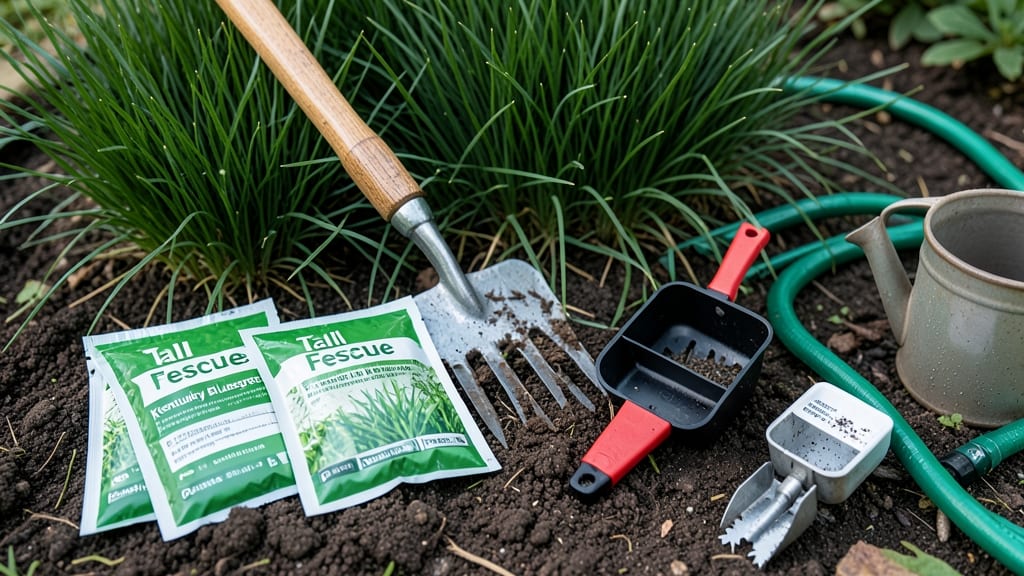
Planting grass seed at the wrong time in New Jersey can turn your lawn dreams into a costly nightmare—thin patches, slow growth, or even total failure. The secret to a lush, green lawn lies in timing, and getting it right means understanding your microclimate's unique rhythm.
Whether you're in coastal New Jersey with milder winters or inland where frosts linger longer, the best time to plant grass seed isn’t just "spring or fall"—it’s early September to mid-October or early April to mid-May, when soil temps and moisture align perfectly for germination.
Skip summer’s scorching heat or winter’s dormancy, and you’ll save time, money, and frustration.
In this guide, I’ll break down the exact windows for your area, from soil prep to post-planting care, so you can avoid common mistakes and see fast, even growth. No more guessing—just science-backed tips tailored to New Jersey’s 6a-7b climate.
Ready to transform your lawn? Let’s dive into the ideal planting schedule and pro techniques that’ll have your grass thriving in no time.
New Jersey’s ideal grass seed planting windows by microclimate (coastal vs. inland)
New Jersey’s diverse microclimates mean coastal areas like Cape May enjoy warmer soil and earlier planting, while inland regions near the Delaware Water Gap face later frosts and cooler springs.
Timing your grass seed planting to align with these differences can mean the difference between a lush lawn in 6 weeks or waiting months for germination.
In USDA Zones 6a-7b, the ideal planting windows are early September to mid-October (fall) or early April to mid-May (spring). However, coastal areas can start as early as late March, while inland zones may need to wait until after May 1st to avoid frost damage.
Let’s break down the specifics for your region.
| Region | Best Planting Window | Soil Temp Target | Last Frost Date | Key Consideration |
|---|---|---|---|---|
| Coastal (e.g., Cape May, Atlantic City) | Late March–April 30 (spring) or Sept 1–Oct 15 (fall) | 50–60°F (10–15°C) | March 20–April 5 | Warmer microclimate; avoid summer heat stress. |
| Central (e.g., Trenton, Princeton) | April 15–May 15 (spring) or Sept 15–Oct 10 (fall) | 55–65°F (13–18°C) | April 10–20 | Moderate climate; prioritize soil moisture. |
| Inland (e.g., Sussex, Passaic) | May 1–June 1 (spring) or Sept 20–Oct 1 (fall) | 60–70°F (16–21°C) | April 25–May 5 | Later frosts; fall planting is safest. |
For coastal New Jersey, the earliest safe window is late March, when soil temperatures consistently reach 50°F (10°C). This aligns with the average last frost date of March 20–April 5, giving seeds 6–8 weeks of warm weather to germinate before summer heat arrives.
In contrast, inland areas should wait until after May 1st to avoid late frosts that can kill young seedlings.
Fall planting in New Jersey is even more critical than spring, as cooler temperatures reduce water stress and weed competition. Aim to plant 4–6 weeks before your first frost (typically Sept 1–Oct 15), ensuring seeds germinate and establish roots before winter dormancy.
Soil temperatures should ideally stay above 55°F (13°C) for optimal growth.
Use a soil thermometer to monitor temperatures—seeds need consistent warmth (55–75°F or 13–24°C) to sprout. Coastal areas hit this threshold earlier, while inland zones may need to wait until late April or early May.
Pro tip: Test your soil’s moisture too; dry conditions can delay germination even if temperatures are perfect.
If you’re unsure about your microclimate, check the New Jersey Agricultural Experiment Station’s frost maps or use a local weather app to track soil temps. Planting at the wrong time can lead to patchy germination, weed takeover, or seedling death from heat or frost.
Don’t risk it—aim for those ideal windows and your lawn will thank you.
For fastest results, prioritize fall planting in New Jersey. Cooler temps mean less watering, fewer weeds, and stronger root growth before winter. Just remember: No planting after October 15th, or you’ll risk seeds sprouting too late and struggling to establish before frost.
🌱
How to prepare your New Jersey lawn for grass seed success (soil, weather, and timing tips)
Preparing your New Jersey lawn for grass seed is half the battle—skipping this step means poor germination and patchy growth. Start by testing your soil pH (aim for 6.0-7.0), as acidic or alkaline soil can stunt seedling growth.
Most home test kits cost under $10 and take 10 minutes—don’t guess when a quick test can save you time and money.
Clear all debris and weeds from the area, then loosen the top 2-3 inches of soil with a rake or tiller. This breaks up compacted clay common in NJ, allowing roots to establish deeper.
If your soil feels like concrete, consider adding compost or sand to improve drainage—especially in low-lying areas where water pools after rain.