
Flowers
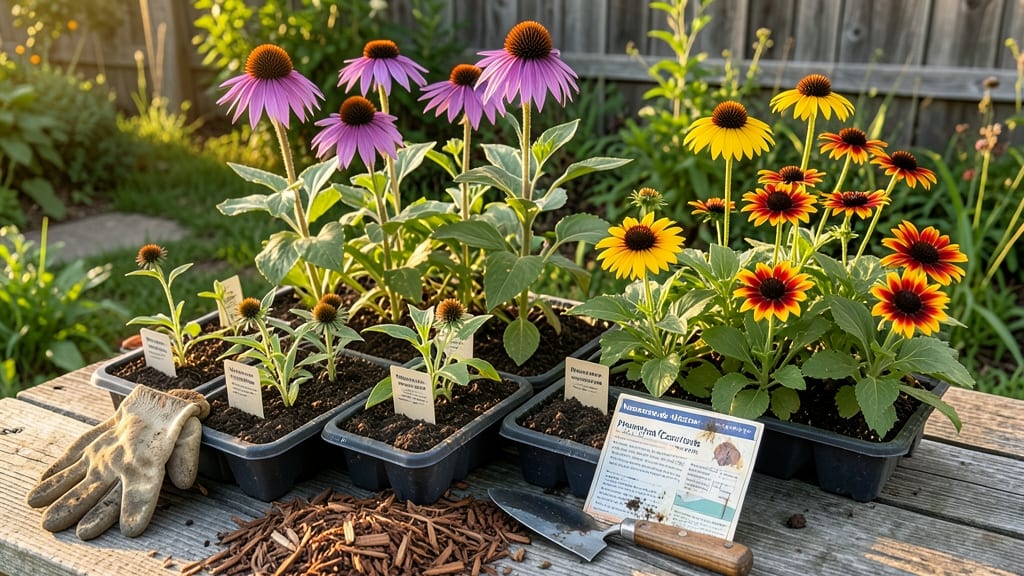
Timing your flowers in Nebraska planting could mean the difference between a showstopping garden and a sad, frost-killed disappointment. With USDA zones 5a-6b bringing unpredictable frost dates, knowing the perfect window is everything.
I’ve spent years watching Nebraska’s weather patterns, and what I’ve learned will help you avoid common mistakes. Whether you’re planting 🌸 annuals for summer color or hardy perennials that return every year, the right timing ensures your garden thrives—not just survives.
Let’s break down the exact months for planting, how to prep your soil, and which flowers handle Nebraska’s 150 frost-free days best. You’ll walk away with a clear schedule so you never miss the ideal window again.
Ready to transform your yard into a blooming paradise? The secret starts with planting at the right time—and I’ll show you exactly how to do it.
Nebraska flower planting zones: USDA 5a vs 5b vs 6a timing
Nebraska’s flower planting success hinges on understanding its three primary USDA zones: 5a, 5b, and 6a. These zones dictate when you can safely plant cold-sensitive annuals like petunias and hardy perennials like coneflowers without risking frost damage.
Each zone has distinct last frost dates and heat tolerance considerations that shape your planting timeline.
For most of Nebraska, the average last frost date falls between April 15 and May 1, but this varies dramatically between regions. Western areas like Scottsbluff (USDA 6a) often see frost-free conditions by April 1, while eastern cities like Omaha (USDA 5b) may wait until mid-April.
Meanwhile, colder pockets in the northeast (USDA 5a) can experience late frosts well into May.
Here’s how these zones break down for optimal flower planting:
| Zone | Avg. Last Frost | Safe Planting Window | Heat Tolerance Note |
|---|---|---|---|
| USDA 5a | May 1–15 | After May 15 | Choose heat-tolerant varieties |
| USDA 5b | April 15–30 | After April 30 | Moderate heat; mulch helps |
| USDA 6a | April 1–15 | After April 15 | Longer growing season; late bloomers thrive |
Microclimates within Nebraska add another layer of complexity. Cities like Lincoln (USDA 5b) often experience warmer urban pockets that allow earlier planting, while rural areas on the western plains may have drier, cooler conditions that delay safe planting by a week or more.
Always check the Nebraska State Climate Office for localized updates before planting.
For perennial flowers, like daylilies or black-eyed Susans, you can plant as early as late March or early April in USDA 6a zones, but wait until mid-April in USDA 5a areas. These hardy plants can often survive light frosts, making them ideal for extending your planting window.
If you’re unsure about your exact zone, use the USDA Plant Hardiness Zone Map or consult the Nebraska Extension for precise guidance. They offer free soil temperature data and local frost alerts to help you time your plantings perfectly.
Remember, annual flowers like marigolds and zinnias are far more frost-sensitive than perennials. These should never be planted before the official last frost date, even if they’re labeled as "cold-hardy." A single unexpected freeze can wipe out your entire garden in days.
To stay ahead of frost risks, I recommend starting seeds indoors 6–8 weeks before your zone’s last frost date. This gives tender annuals like petunias and geraniums a head start and ensures they’re ready to thrive outdoors once temperatures stabilize.
For bulbs like tulips and daffodils, plant them in fall (September–October) to take advantage of Nebraska’s cold winters. These bulbs need chilling periods to bloom beautifully in spring, so don’t skip this step—even if you’re eager to see color!
Finally, always monitor weather forecasts in the days leading up to planting. A 5-day outlook can reveal if a late frost warning is on the horizon, giving you time to cover plants with row fabric or delay planting until conditions improve.
Best flowers to plant by month in Nebraska (March–October)
Timing is everything when planting flowers in Nebraska, where average last frost dates range from mid-April in western zones to late April in eastern areas. To maximize blooms, align your planting schedule with Nebraska’s three USDA zones and each flower’s cold tolerance.
Start with hardy perennials in March, then transition to tender annuals in May after all frost risk has passed.
For March planting, focus on cold-resistant perennials like coneflowers and black-eyed Susans, which thrive when soil temperatures hit 40°F or warmer. These early bloomers establish roots before summer heat arrives. In April, add pansies and snapdragons—both handle light frosts and brighten early spring gardens.
🌸 Nebraska Flower Planting Calendar
- March: Perennials (coneflowers, daylilies) + cool-season annuals (pansies, violas)
- April: Hardy annuals (marigolds, sweet alyssum) + bulbs (tulips, daffodils)
- May: Heat-loving annuals (zinnias, petunias, geraniums)
- June–July: Summer bulbs (gladiolas, dahlias) + succession plant for continuous blooms
- August: Late-season annuals (cosmos, sunflowers) + fall-blooming perennials (asters, chrysanthemums)
Skip May planting for frost-sensitive flowers like impatiens or begonias—wait until after Memorial Day (typically mid-May) when soil temperatures consistently stay above 55°F.
This is prime time for summer annuals that thrive in Nebraska’s hot, dry conditions, such as zinnias and lantana, which need full sun and well-draining soil.
Extend your blooms into fall by planting cool-season annuals in August, like pansies and snapdragons, which tolerate light frosts. Pair them with perennial asters and mums for autumn color. For western Nebraska (USDA Zone 5a), aim to plant by late July to avoid early September frosts.
Pro tip: Use Nebraska Extension’s frost date maps to refine your schedule. For example, Omaha’s last frost averages April 20, while Lincoln’s is April 25. Adjust by 1–2 weeks for urban heat islands or elevated garden beds, which warm up faster.
Remember, succession planting is key—replace spent spring bulbs with summer annuals in June to keep your garden vibrant. And always water deeply after planting to help roots establish before Nebraska’s dry winds take hold.