
Plants
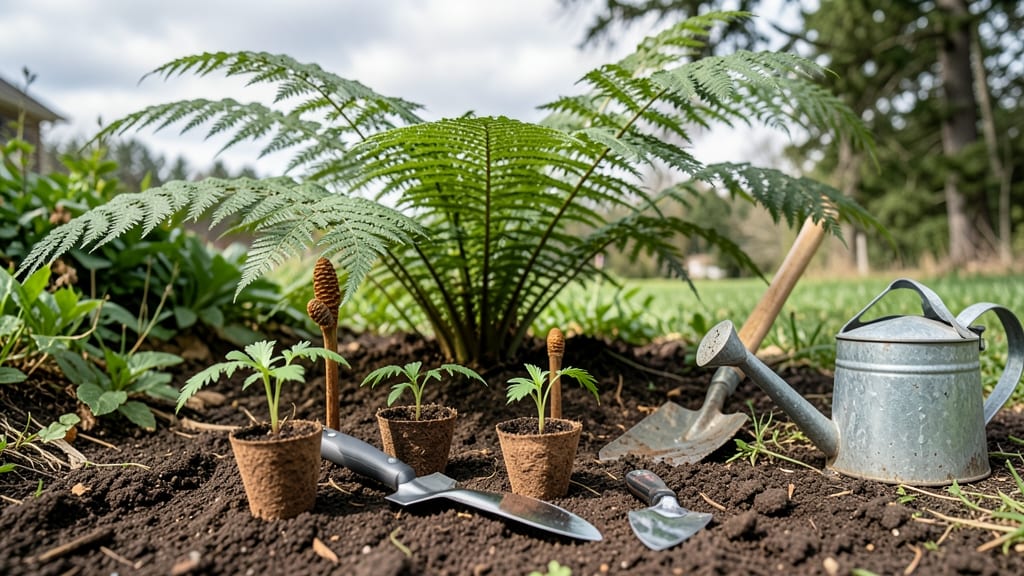
Timing your Fern 🌿 planting in Michigan isn't just about following a calendar—it's about reading the land's signals before the last frost sets in.
Whether you're nurturing delicate maidenhair ferns or hardy Christmas ferns, planting too early risks frost damage, while waiting too long can stunt their growth before summer's heat arrives.
I've seen firsthand how Michigan's 5b-6b climate zones create a tight window for success—typically between April and May, when soil temperatures finally warm and moisture levels stabilize.
But here's the catch: not all ferns thrive on the same schedule, especially when you factor in Michigan's notorious late spring frosts that can sneak in until mid-April.
What makes this even more critical is that ferns crave consistent moisture and cooler roots—conditions that disappear fast once summer hits. The key is planting when your soil stays reliably above 50°F but hasn't baked into summer's dry spell, giving them that perfect head start for lush, year-round greenery.
Let me walk you through exactly how to time your planting, which fern varieties adapt best to Michigan's quirks, and how to prep your soil for that best chance of thriving growth—no matter where you are in the state.
Your garden's shadiest corner is about to become its most vibrant spot.
Ideal planting months for ferns in Michigan’s climate zones
Michigan’s hardiness zones 5b-6b create a unique challenge for fern planting, where late frosts and cool soils can delay ideal conditions. Most gardeners aim for April to early May as the sweet spot, but timing varies by fern variety and microclimate.
Native species like Ostrich Fern tolerate cooler soils, while tropical varieties need warmer conditions.
In northern Michigan (Zone 5b), wait until after the last frost date—typically mid-April—when soil temperatures reach at least 50°F (10°C). Southern regions (Zone 6b) can plant as early as late March, but monitor soil moisture closely, as early spring rains can lead to waterlogged conditions.
For tropical ferns like Maidenhair Fern, hold off until late May to ensure soil stays warm enough. These varieties are more sensitive to cold snaps and may require seasonal protection if planted earlier. Always check your local USDA frost map for precise timing.
Fall planting is also viable in September, giving ferns time to establish roots before winter. This method works best for hardy native species like Christmas Fern, which can handle Michigan’s first frosts. Avoid planting after mid-October, as new roots won’t have time to anchor before freeze.
| Zone | Best Planting Window | Soil Temp Threshold | Frost Risk | Ideal Varieties |
|---|---|---|---|---|
| 5b (Northern MI) | Mid-April to early May | 50°F (10°C) | High (late frosts) | Ostrich Fern, Lady Fern |
| 6a (Central MI) | Late March to April | 45°F (7°C) | Moderate | Christmas Fern, Wood Fern |
| 6b (Southern MI) | Late March to early May | 40°F (4°C) | Low | Maidenhair Fern, Boston Fern |
| All Zones (Fall) | September (before frost) | 55°F (13°C) | None | All hardy natives |
If you’re planting container-grown ferns, you can start 2-3 weeks earlier than in-ground planting, as pots warm up faster. However, avoid planting when soil temperatures drop below 45°F (7°C), as this can stunt root growth. Use a soil thermometer to check—it’s the most reliable way to gauge readiness.
Michigan’s microclimates play a huge role in timing. Urban areas with concrete and pavement stay warmer, while rural spots with organic mulch cool down faster. Observe your garden’s behavior for 2-3 years to pinpoint the best window for your specific location.
For tropical ferns, consider starting them indoors in late winter (February) and transplanting after the last frost. This gives them a head start and reduces shock from temperature fluctuations. Use a grow light to simulate spring conditions until outdoor planting is safe.
Pro tip: Mulch heavily after planting to retain soil warmth and moisture. A 3-inch layer of shredded bark can raise soil temperatures by 2-3°F, helping ferns establish faster in Michigan’s cool springs. Just avoid piling mulch against the fern crown to prevent rot.
Remember, patience is key with ferns—they grow slowly but reward you with decades of lush foliage if planted at the right time. Mark your calendar for mid-April as your target, but always prioritize soil temperature over the calendar date.
Ideal planting months for ferns in Michigan’s climate zones
Michigan’s hardiness zones 5b-6b create a unique challenge for fern planting—cool springs and late frosts demand precise timing. The ideal window spans from late April to early May, when soil temperatures consistently stay above 50°F (10°C). This ensures roots establish before summer heat arrives, preventing transplant shock.
Native ferns like Ostrich Fern and Lady Fern thrive when planted after the last frost, typically by mid-April in southern Michigan and early May in the Upper Peninsula. Tropical varieties (e.g., Boston Fern) need even later dates—wait until late May to avoid frost damage to their delicate fronds.
🌱
| Zone | Last Frost Date | Best Planting Window | Soil Temp Threshold |
|---|---|---|---|
| 5b (Lower MI) | Mid-April | Late April–Early May | 50°F (10°C) |
| 6a (Southeast MI) | Early April | Early–Mid April | 45°F (7°C) |
| 6b (Upper MI) | Early May | Early–Mid May | 55°F (13°C) |
For fall planting, aim for early September—this gives roots time to establish before the first frost (typically mid-October). Avoid late fall plantings, as ferns struggle to root in cold, wet soil. In containers, you can extend the season by moving pots indoors before frost.
Watch for soil moisture cues: Plant when the ground feels damp but not soggy. Overly wet soil in early spring can suffocate roots, while dry soil in late spring signals it’s time to water deeply before planting.
Mulch with 2–3 inches of shredded bark to retain moisture and regulate temperature.
🌿
Pro tip: Start ferns indoors 4–6 weeks before your last frost date if using potted varieties. This head start ensures they’re established by the time outdoor conditions stabilize. Use a seed-starting mix with perlite to prevent root rot—a common issue in Michigan’s heavy clay soils.