
How To
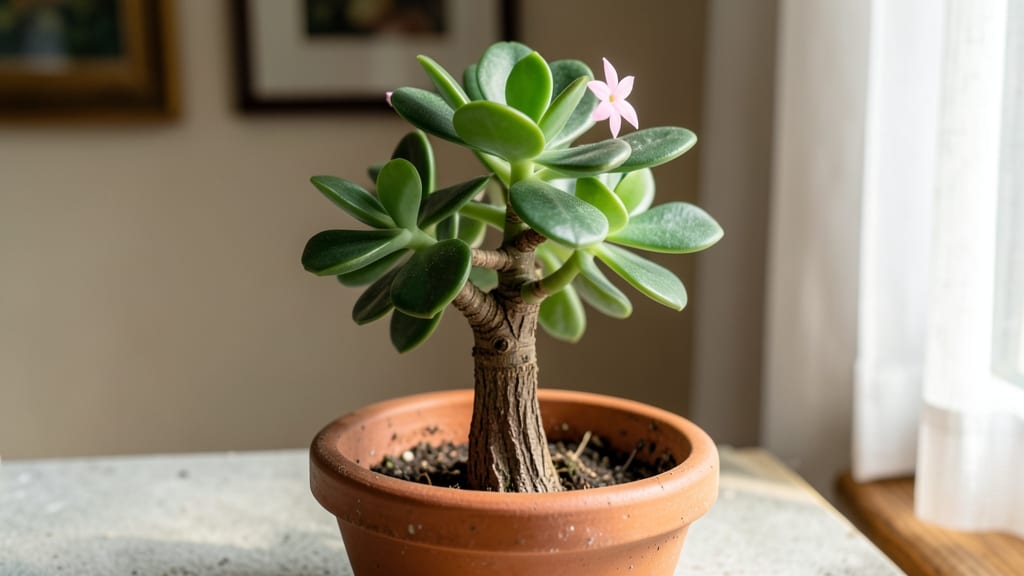
Jade plant light requirements: ideal sunlight exposure by season and location
Jade plants (Crassula ovata) are sun-worshippers, but their light needs are more nuanced than you might think. While they crave bright light, too much direct sun—especially in the harsh afternoon—can turn their leaves yellow or crispy.
The key is finding that sweet spot between 4-6 hours of sunlight daily and protecting them from intense midday rays.
For indoor jade plants, an east-facing window is ideal because it provides gentle morning sun without the scorching afternoon heat. If you only have a south-facing window, place your plant 3-5 feet away to filter the light.
Outdoor jade plants thrive in partial shade during summer months, especially in hot climates like USDA Zone 9 or higher.
Seasonal adjustments are crucial. In spring and fall, your jade plant can handle 4-6 hours of direct sunlight daily, but during summer’s peak, reduce exposure to 2-4 hours of morning sun only.
This prevents sunburn while keeping your plant happy. Even in winter, avoid placing your jade in a dark corner—it still needs bright, indirect light to maintain its vibrant color.
| Season | Ideal Sunlight | Duration | Indoor Location | Outdoor Location |
|---|---|---|---|---|
| Spring | Bright, indirect light | 4-6 hours | East or south window | Partial shade (morning sun) |
| Summer | Bright, indirect light | 2-4 hours (morning only) | 3-5 feet from window | Dappled shade (afternoon shade cloth) |
| Fall | Bright, indirect light | 4-6 hours | East or south window | Partial sun (morning sun) |
| Winter | Bright, indirect light | 4-6 hours (supplemental light if needed) | South window or grow light | South-facing patio (protected) |
If your jade plant is indoors, rotate its pot quarter-turns every 2-3 weeks to ensure even growth. Uneven light exposure causes lopsided stems or stretched leaves, a sign of light deprivation.
For outdoor plants, move them to a shadier spot if you notice white or yellow patches on the leaves—this is a classic sign of sunburn.
In low-light conditions, such as a north-facing window, your jade plant may start to stretch toward the light, a condition called etiolation. To fix this, supplement with a grow light (LED or fluorescent) for 12-14 hours daily.
Keep the light 6-12 inches above the plant to mimic natural sunlight without overheating.
Outdoor jade plants in containers need extra care during hot summer days. If your patio gets intense afternoon sun, use a light shade cloth (30-50% shade) to protect the leaves.
This is especially important in arid climates where the sun’s rays are strongest. Even a white mesh curtain draped over the plant can make a difference.
Pro tip: Observe your jade plant’s leaf color and stem thickness. Healthy leaves should be thick, glossy, and deep green. If they turn pale or translucent, it’s a cry for more light.
Conversely, brown or crispy edges mean it’s getting too much direct sun. Adjust accordingly to keep your jade plant thriving year-round.
For urban gardeners, balcony spaces can work well if you place your jade plant near a south-facing railing but out of direct afternoon sun. In rural areas, where sunlight is abundant, provide afternoon shade to prevent heat stress.
The goal is to mimic the natural habitat of jade plants, which grow in semi-arid regions with bright but filtered light.
Remember, jade plants are drought-tolerant, but they’re not heat-tolerant. High temperatures combined with too much sun can be deadly. Always prioritize gentle, indirect light over intense direct exposure, especially during the peak summer months.
Jade plant light requirements: ideal sunlight exposure by season and location
Jade plants (Crassula ovata) crave bright, indirect light but can handle 2-4 hours of morning sun daily. This balance prevents the dull leaves from insufficient light or sunburned patches from too much. Think of it like a Goldilocks scenario—too little or too much sunlight throws off their growth.
The ideal light spectrum for jade plants mimics their native South African savannah, where they receive dappled sunlight through trees. Replicating this indoors means placing them within 3-5 feet of an east or south-facing window, where they get filtered light without harsh afternoon rays.
| Condition | Indoor | Outdoor |
|---|---|---|
| Light Type | Bright indirect (east/south window) | Morning sun + afternoon shade |
| Daily Hours | 4-6 hours | 6-8 hours (with shade after noon) |
| Seasonal Adjustments | Rotate pot weekly for even growth | Move to partial shade in summer |
| Warning Signs | Elongated stems (etiolation) | Brown leaf tips (sunburn) |
In spring and fall, jade plants thrive with 4-6 hours of direct sunlight, especially if placed outdoors. However, during summer’s intense heat, shift them to partial shade (like under a patio umbrella) to avoid leaf scorch.
I’ve seen jade plants in south-facing gardens thrive when given morning sun until 11 AM and afternoon shade.
For indoor jade plants, avoid north-facing windows—they provide too little light, causing leggy growth. Instead, supplement with a grow light (12-14 hours/day) if natural light is insufficient. I use a full-spectrum LED bulb 6 inches above my jade plant for 8 hours daily during winter’s short days.
Outdoor jade plants in containers need well-draining soil and elevated pots to prevent root rot from excess moisture. Place them on patio stones or saucers to improve airflow and reduce humidity around the leaves, which helps prevent fungal issues in high-light conditions.
Pro tip: Rotate your jade plant every 2-4 weeks to ensure even light exposure. This prevents lopsided growth and keeps those glossy leaves uniformly vibrant. If your jade plant starts developing pale, stretched stems, it’s begging for more light—move it closer to the window or add a grow light.