
Plants
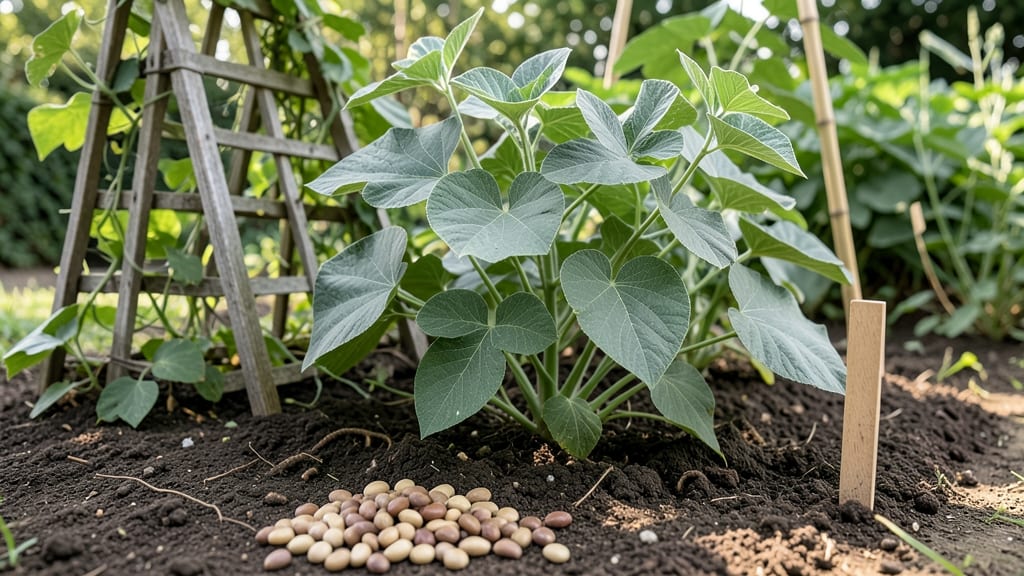
Planting fava beans at the wrong time in California can mean the difference between a thriving crop and a sad, wilted garden—especially when coastal and inland regions have completely different rules.
These cool-weather 🌱 lovers need precise timing to avoid heat stress, and one misstep could turn your harvest dreams into a summer flop.
If you're in coastal areas like USDA Zone 10a, you can plant year-round, but the sweet spot is fall and winter when temperatures stay mild.
Meanwhile, inland gardeners in Zones 7b-9b need to act fast—between October and March—to dodge early heat waves that can send fava beans bolting before they even mature.
What makes this tricky? Coastal fava beans might face no frost at all, while inland varieties could freeze if planted too late. The key is understanding your microclimate and adjusting your schedule to match. I’ll break down the exact windows for your region so you can plant with confidence.
Ready to grow a bountiful harvest? Let’s dive into the perfect timing for your California garden—no guesswork, just results.
Best planting windows for fava beans in California by region (coastal vs inland)
California’s diverse climate—from frost-free coastal areas to freezing inland valleys—means fava beans can thrive year-round in some regions while requiring precise timing in others. Coastal gardeners in USDA Zone 10a (like San Francisco) can plant almost anytime, but inland areas (e.g., Sacramento in Zone 9b) must avoid heat stress by sticking to cooler months.
The key? Soil temperatures below 75°F and no frost risk—or your beans will bolt or wilt.
Inland California’s colder winters (with frost dates from November 15 to January 15) create a narrow window for planting fava beans—typically October through March.
Coastal areas, however, enjoy year-round growing potential thanks to mild winters, but spring planting after March risks heat stress as temperatures climb above 80°F. Even desert regions (like Palm Springs in Zone 10b) can grow fava beans, but only in winter months when nights stay cool.
Here’s how to align your planting schedule with California’s microclimates to maximize yields and avoid common pitfalls like bolting or poor germination:
| Region | USDA Zone | Best Planting Window | Key Risks | Soil Temp Threshold |
|---|---|---|---|---|
| Coastal (e.g., San Francisco, Santa Barbara) | 10a | September–April (year-round possible) | Heat stress after March | Below 75°F |
| Inland Valleys (e.g., Sacramento, Fresno) | 7b–9b | October–March (avoid frost) | Frost damage before Dec 15 | Below 65°F |
| Desert (e.g., Palm Springs, Coachella) | 10b–11 | November–February (winter only) | Bolting in spring heat | Below 70°F |
| High Altitude (e.g., Sierra Nevada) | 5a–7a | May–July (short summer season) | Late frost risk | Above 50°F |
For coastal gardeners, fall planting (September–October) yields the best results, as cooler temperatures prevent heat stress and encourage steady growth. Inland areas should prioritize October sowing to establish roots before winter chills set in. Desert regions must act fast—plant by November 1 to avoid the relentless spring sun.
Pro tip: Use a soil thermometer to confirm temperatures stay below 75°F; fava beans won’t germinate in heat above 80°F.
If you’re in a transition zone (like Los Angeles or San Diego), split your planting into two batches: one in September and another in February. This successive planting strategy ensures a continuous harvest and minimizes losses from unpredictable weather.
For example, a late-winter frost in Zone 9a (e.g., Bakersfield) can devastate unprotected plants, so always check your local frost date forecasts.
One critical mistake I’ve seen coastal gardeners make? Planting fava beans in late spring when temperatures creep toward 85°F. The plants bolt prematurely, producing bitter pods before they mature.
To avoid this, monitor your local weather and adjust planting dates 2–3 weeks earlier if forecasts predict an early heatwave. Tools like the California Climate Tracker can give you real-time alerts for heat stress thresholds.
For high-altitude areas (like Lake Tahoe or Mammoth Lakes), the growing season is short but sweet. Plant May–June when soil temperatures stabilize above 50°F, and aim to harvest by August before the first fall frost.
These regions benefit from cold-hardy varieties like ‘Himalaya’, which tolerate light frosts without damage. Always mulch heavily to insulate roots from temperature swings.
Finally, don’t overlook soil preparation. Fava beans thrive in well-draining, slightly acidic soil (pH 6.0–7.0). In coastal areas, amend sandy soil with compost to retain moisture, while <
How to avoid heat stress in fava beans: soil, shade, and successive planting hacks
California’s summer heat can turn your fava bean plants into crispy snacks if you’re not careful. Even in cooler coastal areas, unexpected heat waves can cause bolting or stunted growth. The key? Strategic planning to keep roots cool and plants thriving until harvest.
Start by amending your soil with organic matter like compost or well-rotted manure. Fava beans prefer moist, well-draining soil, but they’ll bolt if the soil dries out too quickly. Mix in 2-3 inches of compost before planting to improve moisture retention and fertility.
Here’s my proven 5-step system to beat the heat and keep your fava beans happy until harvest:
- 1 Mulch like a pro: Apply 3-4 inches of straw or wood chips after planting to lock in moisture and keep soil temps 10°F cooler than bare soil. Replenish every 4-6 weeks in hot months.
- 2 Shade cloth shield: Use 30-50% shade cloth during peak summer months (June-August) to reduce leaf stress. Secure it 3 feet above plants to allow airflow while blocking 20-30% of sunlight.
- 3 Drip irrigation only: Water deeply 2x weekly using drip lines placed at the base of plants. Avoid overhead watering—it causes leaf burn and attracts pests. Early morning (5-7 AM) is ideal.
- 4 Successive planting: Stagger plantings every 2-3 weeks from October to February to ensure a continuous harvest. This spreads out the risk of heat stress and gives you pods over a longer window.
- 5 Heat-tolerant varieties: Choose ‘Himalaya’ or ‘Early Bird’ for inland areas. These varieties handle 85°F+ temps better than standard types. Avoid ‘Aquadulce Claudia’ in desert regions—it bolts fast in heat.
One critical mistake I see often? Skipping the soil test before planting. Fava beans prefer pH 6.0-7.0. If your soil is too alkaline (common in California), add sulfur or peat moss to adjust it.
A simple $20 soil kit from your local nursery can save you from nutrient deficiencies later.
For inland gardeners, consider container growing in 5-gallon pots with fast-draining mix (50% potting soil, 30% perlite, 20% compost). Pots heat up faster than ground soil, so add hydrogel crystals to retain moisture during dry spells. Just
With these tricks, your fava beans will stay cool, productive, and heat-stress-free—no matter where you garden in California. Now go forth and grow those sweet, tender pods without the stress! 🌿