
Planting
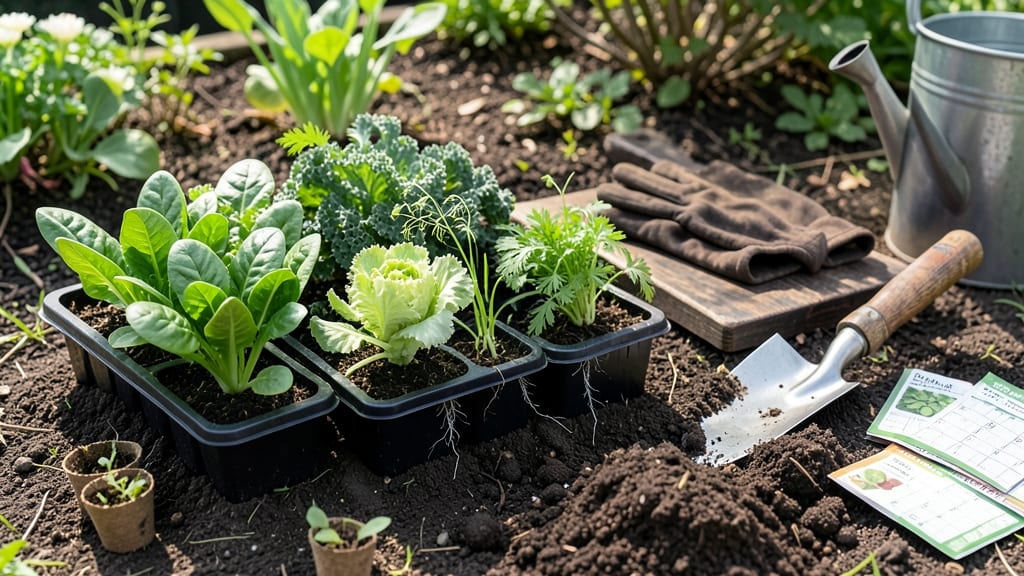
Timing your vegetable garden in Seattle can mean the difference between a thriving harvest and a sad, frost-nipped failure—especially when coastal breezes and inland heat play tricks on your planting schedule.
With USDA Zone 8a conditions, you’ve got just 180 frost-free days to work with, making precision planting your secret weapon. Whether you’re growing 🌱 leafy greens in March or saving space for tomatoes in August, getting the dates wrong could leave your plants struggling against Seattle’s unpredictable weather.
I’ll break down the exact windows for starting seeds indoors, transplanting outdoors, and even how microclimates (like urban heat islands vs. cooler neighborhoods) shift your planting timeline. No more guessing—just science-backed dates to maximize your garden’s potential.
Ready to turn your Seattle backyard into a year-round produce powerhouse? Let’s dive into the perfect planting calendar for your zone, so you can enjoy fresh veggies from spring through fall without the frost-related heartbreak.
Seattle’s planting zones: coastal vs inland start dates for warm-season vegetables
Seattle’s USDA Zone 8a-8b climate creates a unique challenge for gardeners—coastal areas like Bainbridge Island stay cooler longer, while inland spots like Redmond warm up faster. These microclimates shift last frost dates by weeks, making timing everything for warm-season crops like tomatoes, peppers, and cucumbers.
Plant too early, and a late frost will kill seedlings; too late, and summer’s short growing season won’t give plants enough time to mature.
For coastal Seattle (e.g., West Seattle, Bainbridge), the average last frost date is April 15, but inland areas (e.g., Bellevue, Redmond) can see frost-free conditions by April 1.
This difference means your neighbor’s thriving tomato plants might still be under frost blankets in your garden. Understanding these zones helps you avoid costly mistakes and maximize your harvest.
🌱 Visual Guide: Coastal vs Inland Planting Windows
For warm-season vegetables, timing is critical. In coastal Seattle, start tomato and pepper seeds indoors in early March, while inland gardeners can begin as early as mid-February.
Transplant seedlings outdoors only after the soil reaches 50°F (10°C)—coastal areas may need to wait until mid-May, while inland spots can transplant by late April.
Direct sowing outdoors for crops like cucumbers and squash should wait until after the last frost. Coastal gardeners can start in mid-May, but inland areas might begin as early as mid-April.
Use row covers if planting early to protect young plants from unexpected late frosts, which are more common in coastal zones.
Seattle’s short growing season (about 180 frost-free days) demands efficiency. Fast-maturing varieties like ‘Early Girl’ tomatoes (55-65 days) or ‘Straight Eight’ cucumbers (55-60 days) are ideal. Pair these with succession planting: Sow a second batch of beans or lettuce every 2 weeks to stretch your harvest into fall.
Pro tip: Use a soil thermometer to confirm soil warmth before transplanting. Warm-season crops need consistently warm soil—60°F (15°C) or higher—to thrive. Coastal soils stay cooler longer, so monitor closely or use black plastic mulch to warm the soil faster.
Inland gardeners can push the envelope slightly by planting heat-tolerant varieties like ‘Solar Fire’ peppers or ‘Black Krim’ tomatoes, which handle Seattle’s summer heat better than standard varieties. Just be prepared to provide afternoon shade during July and August to prevent sunscald.
🌱 Remember: Seattle’s weather is famously unpredictable. Even if your neighbor’s garden is flourishing, always check your local microclimate—a hilltop or urban heat island can be 5-10°F warmer than the surrounding area, altering planting windows significantly.
Cold-hardy vegetables you can plant earlier in Seattle (with exact months)
Seattle’s cool, damp climate means you can start planting cold-hardy vegetables as early as late February, sometimes even earlier if you use row covers. These resilient crops thrive in 40-50°F soil temperatures and can handle light frosts, giving you a head start on the growing season.
Leafy greens like spinach and kale are perfect for early planting—they tolerate brief freezes and grow quickly in Seattle’s mild springs. Root vegetables such as carrots and radishes also do well when sown in March or early April, benefiting from cooler temperatures.
Peas and broccoli are other frost-tolerant stars. Plant peas in late February to March for an early harvest, while broccoli can handle light frost and should be sown in March or April for a steady supply through summer.
🌱 Pro Tip: Use succession planting for continuous harvests. Sow spinach every 2-3 weeks from March to May, and radishes every 3 weeks for a never-ending supply.
- Late February: Peas and spinach (protect with row covers if frost is forecasted).
- Early March: Kale, broccoli, and carrots (soil should be 40°F+).
- Mid-March: Radishes and lettuce (direct sow for quick harvests).
- April: Succession plant spinach, kale, and peas for continuous harvests.
- May (coastal areas): Transition to warm-season crops like beans and cucumbers.
To extend the season even further, use cold frames or low tunnels to protect young plants from late frosts. These simple structures can add 2-4 weeks to your growing season, letting you enjoy fresh greens well into May or early June.
💧 Watering Tip: Cold-hardy crops need consistent moisture but avoid soggy soil. Water in the morning to prevent fungal diseases, especially during Seattle’s damp springs.
By focusing on these early-season crops, you’ll have a steady supply of nutrient-rich vegetables before the heat of summer arrives. Plus, you’ll free up space in your garden for warm-season plants like tomatoes and peppers later in the year.