
Planting
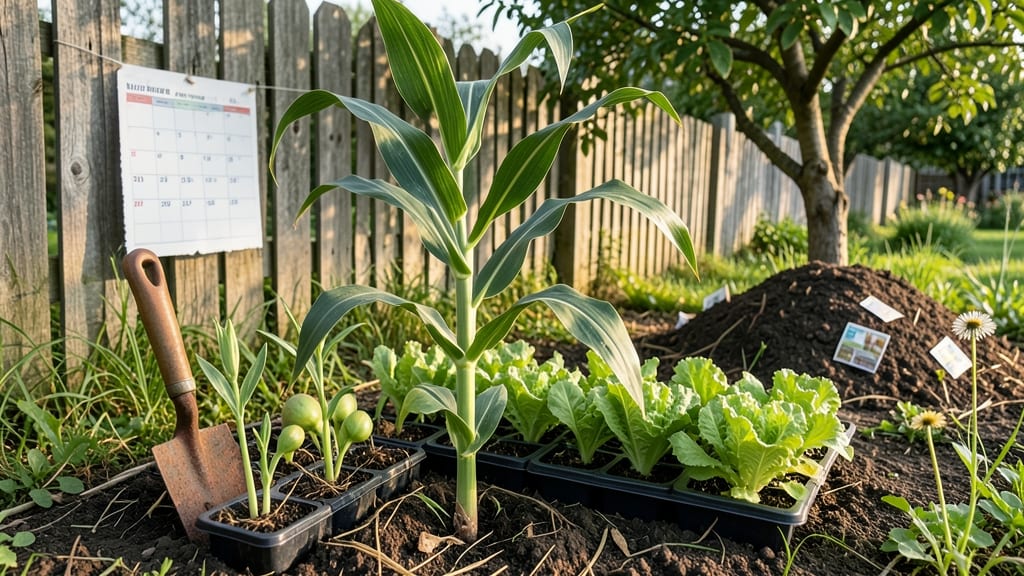
Timing when to plant a vegetable garden in Iowa isn’t just about throwing seeds in the dirt—it’s about beating frost, outsmarting unpredictable weather, and maximizing your harvest before the first chill sets in.
With USDA Zones 5a-6b and frost dates that can swing wildly from year to year, getting the windows right means the difference between a bumper crop and a sad, wilted disappointment.
I’ve spent years watching my 🌱 Vegetable Garden thrive (and occasionally fail) in Iowa’s climate, and the key is knowing exactly when to plant each crop—whether you’re in Des Moines, Cedar Rapids, or the cooler north.
Cool-season crops like lettuce and peas can go in as early as mid-March, while tomatoes and peppers need to wait until after the last frost, usually mid-May or later. But here’s the catch: microclimates matter, and urban heat islands or river valleys can shift those timelines by weeks.
In this guide, I’ll break down the perfect planting windows for your zone, plus pro tips to stretch your growing season with row covers and succession planting.
No more guessing—just a foolproof plan to turn your Iowa garden into a year-round harvest machine. Let’s get those seeds in the ground at the right time!
Ready to ditch the trial-and-error? You’ll learn how to align your planting schedule with Iowa’s frost-free days, avoid common mistakes, and even push your harvest into fall.
The best part? These strategies work whether you’re a backyard gardener or managing a larger plot. Let’s make this your most productive growing season yet!
Iowa’s planting zones: frost dates & last-frost timelines by region
Iowa spans USDA Hardiness Zones 4a to 6b, meaning frost dates can vary dramatically—even between neighboring towns. Understanding these critical windows ensures your cool-season crops like lettuce thrive while warm-season favorites like tomatoes avoid frost damage.
The average last frost date across Iowa typically falls between April 15 and May 15, but urban areas like Des Moines often warm up 1-2 weeks earlier than rural zones near Sioux City.
First, check your local frost history—Iowa State University Extension provides city-specific data. For example, Cedar Rapids usually sees its last frost around April 25, while Dubuque might linger until May 10.
These differences matter when planning early spring plantings or deciding whether to use row covers for extra protection. Microclimates—like river valleys or urban heat islands—can also shift frost dates by 10 days or more.
| Region | Avg. Last Frost | Avg. First Frost | Frost-Free Days | Key Notes |
|---|---|---|---|---|
| Des Moines (Zone 5b) | April 20 | October 10 | 170 days | Urban heat islands delay frost; ideal for early tomatoes. |
| Cedar Rapids (Zone 5a) | April 25 | October 15 | 165 days | River valleys may frost later; monitor nighttime temps. |
| Sioux City (Zone 4b) | May 5 | September 25 | 145 days | Shorter season; prioritize cold-hardy crops. |
| Dubuque (Zone 5a) | May 10 | October 5 | 150 days | Hilltops frost earlier; plant low areas first. |
🌡️ Pro Tip: Use a frost calendar from your county extension office for hyper-local accuracy.
For warm-season crops like peppers and squash, wait until 2-3 weeks after your area’s last frost date. In Des Moines, that’s around May 10, while Sioux City gardeners should hold off until May 25.
Meanwhile, cool-season crops like spinach and peas can often tolerate light frosts, so you can plant them 4-6 weeks before your last frost date. For example, in Cedar Rapids, that means mid-March for early varieties.
Don’t overlook first frost dates, either. In Zone 5a, expect frost by mid-October, cutting short the season for warm-season crops like tomatoes.
To maximize yields, plan fall plantings of cold-hardy crops like kale and radishes in late July to early August, giving them time to mature before winter sets in.
Always check seed packet instructions—some varieties (like broccoli) can handle 20°F temps, while others (like cucumbers) bolt at 70°F.
Microclimates play a huge role in Iowa. A south-facing slope might warm up 2-3 weeks earlier than a north-facing valley, while urban areas with pavement and buildings can trap heat, delaying frost.
Use these microclimates to your advantage: plant heat-sensitive crops like lettuce in shadier spots or warm-season crops near heat-retaining walls. If you’re unsure, plant a few extra seeds and use row covers to protect young plants from unexpected frosts.
Iowa’s frost-free growing season typically ranges from 145 to 170 days, depending on location. This means you’ll need to succession plant crops like beans and zucchini every 2-3 weeks to avoid gluts or shortages.
For instance, if you plant zucchini on May 15 in Des Moines, follow up with another batch on June 1 and June 15 to stretch your harvest into early October. This strategy works especially well for fast-growing crops that can’t survive Iowa’s late-season frosts.
One common mistake I see in Iowa gardens is planting warm-season crops too early. Even if the soil feels warm, a late frost can wipe out tomato seedlings or pepper plants overnight. To avoid this, use biodegradable pots and plant transplants (not seeds) after your last frost date.
For extra safety, harden off seedlings for 7-10 days before transplanting them into the garden. This gradual exposure helps them adapt to Iowa’s wind and temperature swings.
If you’re new to Iowa gardening, start with cold-hardy crops like spinach, peas, and kale in early spring. These can handle light frosts and give you a head start. For warm-season crops, stick to tomatoes, peppers, and beans planted after your last frost. And remember: soil temperature matters
Best vegetables to plant by month in Iowa (cool-season vs. warm-season guide)
Iowa’s short growing season demands smart planning—cool-season crops thrive in spring and fall, while warm-season veggies need summer’s heat. I’ve broken down the ideal planting windows for Iowa’s climate, so you can maximize your harvest without wasting seeds on frost-sensitive plants.
Start with cool-season crops like lettuce and peas in March or early April, even if you use row covers. These hardy plants tolerate light frosts and can handle Iowa’s unpredictable spring temperatures.
For warm-season crops like tomatoes and peppers, wait until 2–3 weeks after your last frost date—usually late May to early June—to avoid stunted growth.
🌱 Key Tip: Use Iowa State University’s frost date calculator (available online) to pinpoint your exact last frost window—it varies by 1–2 weeks across the state. For example, Sioux City’s last frost is often 2 weeks earlier than Dubuque’s.
Don’t overlook succession planting—it’s your secret weapon for continuous harvests. For example, sow lettuce every 2 weeks from April through July to avoid bitter bolting in summer. Similarly, plant bush beans every 10 days in May and June for a steady supply until frost.
Iowa’s microclimates can also shift planting windows. If you’re near the Mississippi River or in an urban heat island, your last frost may arrive 1 week earlier. Test your garden’s conditions by planting fast-growing radishes—they’ll tell you if your soil is ready for warm-season crops.
Pro tip: Keep a gardening journal to track your actual frost dates—Iowa’s climate shifts yearly, and your notes will help you adjust future planting. Start with 1–2 test plants of each variety to gauge success before committing to full rows.