
Vegetables
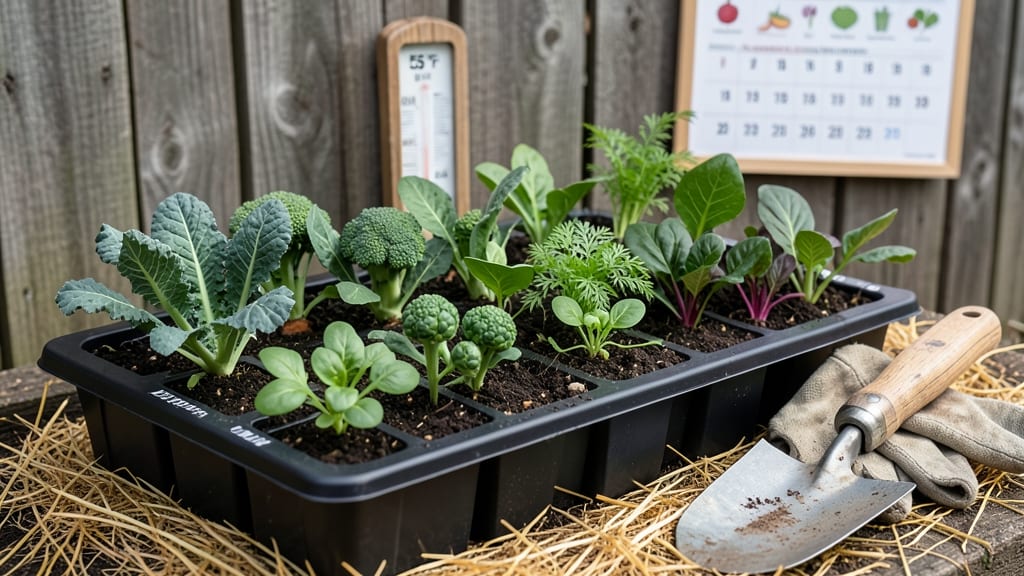
Knowing when to plant fall vegetables in Zone 5 is the difference between a bountiful harvest and wasted effort. With the right timing, you can enjoy crisp carrots, hearty kale, and sweet potatoes straight from your garden long after summer fades.
The key is starting between late July and early September, when temperatures begin to cool. This window ensures your 🥬 fall vegetables mature before the first frost—typically around October 15 in Zone 5. But not all crops play by the same rules.
Fast growers like radishes and spinach can go in as early as mid-July, while slower varieties like broccoli or cabbage need a later start. The trick is matching your plant’s maturity timeline to your frost date.
Let’s break down the exact planting schedule by variety, plus pro tips to stretch your growing season even longer. Your fall harvest is closer than you think!
Fall planting timeline for Zone 5: exact dates by vegetable maturity
Zone 5 gardeners have a golden window for fall planting—typically from late July to early September—to ensure a harvest before the average October 15 frost date. The key? Matching your vegetable's days to maturity with your local frost timeline.
Fast growers like radishes (30 days) can wait until mid-August, while slower crops like broccoli (80-100 days) need to hit the soil by early August.
To simplify, I calculate backward from frost: subtract your vegetable's harvest time from your first frost date. For example, if your frost arrives October 1 and you're growing spinach (50 days), plant by August 12. This method removes guesswork and maximizes your fall harvest potential.
Not all vegetables thrive in fall's cooler temps, but cold-hardy varieties like kale, carrots, and peas flourish. Meanwhile, warm-season crops (tomatoes, peppers) should be started indoors in early summer for fall transplanting. The secret? Succession planting—spreading out sowings every 2-3 weeks—ensures a steady supply of fresh veggies.
Here’s my Zone 5 fall planting cheat sheet: fast growers (30-50 days) get the latest starts, while slow growers (80+ days) need early July-August planting. Soil temperature also matters—wait until it drops below 80°F to prevent bolting in heat-sensitive crops like lettuce.
🌱
| Vegetable | Days to Maturity | Last Planting Date (Zone 5) | Notes |
|---|---|---|---|
| Radishes | 30-35 | Mid-August | Fastest grower; tolerates light frost. |
| Spinach | 40-50 | Early August | Plant in partial shade for sweeter leaves. |
| Kale | td style="padding: 8px; border-bottom: 1px solid #3f683f;">60-70Late July | Sweeter after frost; cut-and-come-again. | |
| Carrots | 60-80 | Early August | Loose soil prevents forking; thin seedlings. |
| Broccoli | 80-100 | Early July | Start indoors; transplant before heat sets in. |
| Peas | 60-70 | Late August | Plant after soil cools; trellis saves space. |
For warm-season holdovers like tomatoes and peppers, transplant seedlings into the garden by mid-July to give them 80-100 days to mature. Use black plastic mulch to warm the soil and extend the season.
I’ve had success with ‘Early Girl’ tomatoes planted in late July, yielding fruit well into October.
Pro tip: Test your soil in early fall—aim for a pH of 6.0-7.0 for most vegetables. Add compost or aged manure to replenish nutrients after summer’s heavy use. Phosphorus-rich fertilizers (like 5-10-10) encourage root and tuber development in crops like carrots and beets.
Don’t overlook succession planting—sow radishes every 2 weeks from August to September for a continuous harvest. This strategy also prevents bolting (premature flowering) in cool-season crops like lettuce. I’ve seen 30% more yield by staggering plantings versus one massive sowing.
If you’re new to fall gardening, start with 3-4 varieties to avoid overwhelm. For example, pair kale (slow) with radishes (fast) in the same bed. This intercropping maximizes space while ensuring a mix of early, mid-, and late-season harvests
Top 10 fastest-growing fall vegetables for Zone 5 success
Zone 5 gardeners can still enjoy a bountiful harvest by focusing on fast-maturing vegetables that thrive in cooler temperatures. These cold-hardy varieties reach maturity in 30-60 days, giving you plenty of time to enjoy fresh produce before the first frost hits around October 15.
The key is selecting varieties that tolerate light frosts and grow quickly in the shorter daylight of fall.
My top 10 fastest-growing fall vegetables include leafy greens, root crops, and brassicas—all perfect for extending your harvest season. For example, radishes mature in just 25 days, while spinach and kale can be harvested in 30-45 days.
These plants not only grow quickly but also add vibrant colors and flavors to your fall meals.
Here’s how I rank them by days to harvest, along with their ideal planting windows to maximize your fall garden’s productivity:
For Zone 5’s fall planting schedule, aim to sow leafy greens like spinach and kale by mid-August to ensure they mature before frost. Radishes and lettuce can even be planted as late as early September for a quick harvest. These varieties not only grow fast but also **toler