
Planting
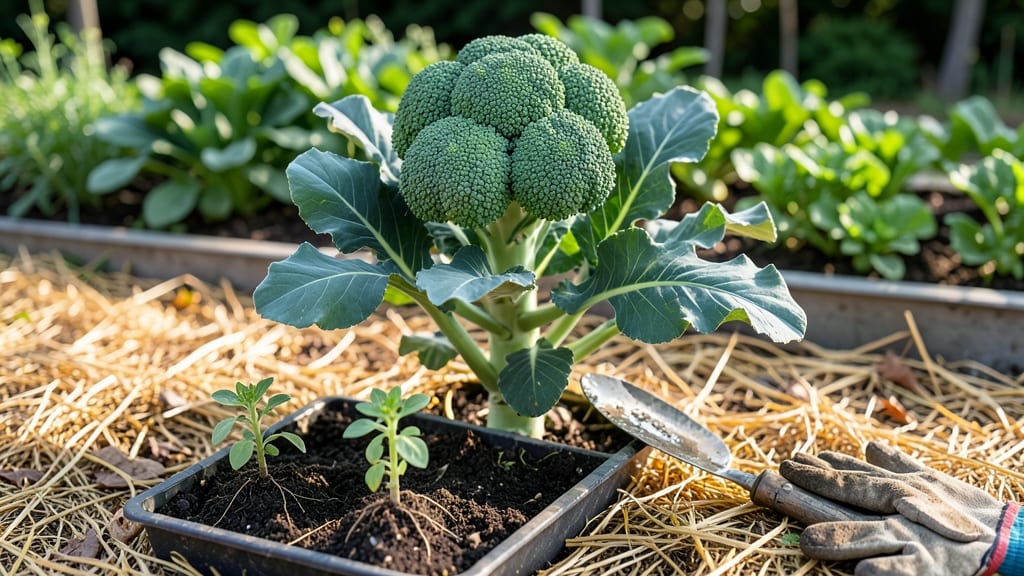
Knowing when to plant a fall garden in Zone 7 could mean the difference between a bountiful harvest and wasted effort. With just a 6-week countdown before your first frost, timing is everything—and getting it wrong can leave your garden struggling.
Zone 7 gardeners have a unique opportunity to grow vibrant 🌱 fall gardens that thrive in cooler weather. But whether you're planting kale, spinach, or hardy flowers, the clock starts ticking in mid-August.
Miss the window, and you might end up with stunted plants or a harvest cut short by winter.
In this guide, I’ll break down the exact planting schedule for your region, including soil prep tips and how to protect young plants from early frosts.
You’ll learn which crops to prioritize, how to extend your growing season, and the 5 biggest mistakes that sabotage fall gardens—so you can avoid them.
Ready to transform your backyard into a productive fall oasis? Let’s get started with the timing secrets that will make your harvest the envy of the neighborhood.
Zone 7 fall planting calendar: exact dates for cool-season vegetables
Fall gardening in Zone 7 rewards patience with crisp harvests of kale, carrots, and radishes. The key? Planting within a 6-week window before your first frost—typically around November 1 in most of Zone 7.
This means starting as early as mid-August for heat-tolerant crops like Swiss chard and beets, while cooler-loving lettuce and spinach should wait until late August to early September.
Your fall frost date isn't set in stone—it varies by Zone 7a (earlier frost) vs. Zone 7b (later frost). Use your local USDA Plant Hardiness Zone Map to fine-tune timing.
For example, Raleigh, NC (Zone 7b) might have a November 15 frost, while Lexington, KY (Zone 7a) could see frost as early as October 25. Always count back 4-6 weeks from your expected frost date to determine planting windows.
🌱
📅 Zone 7 Fall Planting Timeline
| 🌱 Crop Type | 📅 Planting Window (Zone 7) | ⏳ Days to Harvest | 💡 Notes |
|---|---|---|---|
| Leafy Greens (Lettuce, Spinach, Kale) | Late Aug - Early Oct | 30-50 days | Sow seeds directly; thin seedlings. |
| Root Vegetables (Carrots, Radishes, Beets) | Mid-Aug - Mid-Sep | 45-70 days | Loosen soil; avoid overcrowding. |
| Brassicas (Broccoli, Cabbage, Brussels Sprouts) | Early Sep - Early Oct | 60-90 days | Start indoors; transplant seedlings. |
| Peas & Beans (Snow Peas, Shelling Beans) | Late Aug - Mid-Sep | 50-70 days | Trellis for support; cool weather sweetens peas. |
| Herbs (Cilantro, Parsley, Dill) | Mid-Aug - Early Oct | 30-60 days | Direct-sow; harvest leaves before bolting. |
💡 Pro Tip: Use succession planting every 2 weeks for continuous harvests of fast growers like radishes and lettuce.
For Zone 7 gardeners, the last planting window for most cool-season crops is early October. This gives plants enough time to establish roots and mature before temperatures drop below 40°F.
However, hardy greens like kale and Swiss chard can often survive light frosts and may even taste sweeter after a 28°F dip. Always check your local Almanac's frost predictor for real-time adjustments.
Soil temperature matters just as much as air temperature. Aim for soil temps between 60°F and 70°F for optimal seed germination. Use a soil thermometer to monitor—cooler soils (below 55°F) can delay sprouting.
If your soil is still warm in late August, opt for heat-tolerant varieties like 'Black Seeded Simpson' lettuce or 'Early Wonder' beets.
🌿
Don’t overlook flowers in your fall garden! Pansies, calendula, and snapdragons thrive in cooler weather and add color until frost. Plant these 6-8 weeks before frost (around mid-September in Zone 7) for a vibrant late-season display.
They also attract pollinators like bees and butterflies, supporting your vegetable garden’s ecosystem.
If you’re new to fall gardening, start small with easy-to-grow crops like radishes (ready in 25 days) or bush beans (harvest in 50 days
How to extend your fall garden season without frost damage
Fall gardens in Zone 7 can thrive well into November if you protect your plants from early frosts. The key is understanding how to delay frost damage while keeping your crops happy.
With the right strategies, you can enjoy fresh spinach, kale, and even broccoli raab long after summer’s end.
One of the simplest ways to extend your season is by using row covers or frost blankets. These lightweight fabrics trap heat and protect plants from light frosts (28°F to 32°F).
For even more protection, consider a cold frame, which can add 5–10°F of warmth around your plants.
Another smart move is succession planting. Instead of planting everything at once, stagger your cool-season crops every 2–3 weeks from late summer through early October. This ensures a steady harvest before the first frost hits.
For heat-loving crops like Swiss chard or turnips, focus on varieties that tolerate cooler temperatures. These plants can handle 40–50°F soil temps, making them ideal for late-season planting.
🌱 Pro Tip: Always check your local frost date predictions—Zone 7’s average first frost is November 1, but microclimates can shift this by 1–2 weeks.
🔍 Pros & Cons of Frost Protection Methods
| Method | Pros | Cons | Cost |
|---|---|---|---|
| Row Covers | Lightweight, easy to install, protects from light frost | Limited for heavy frost, may reduce airflow | $10–$30 |
| Cold Frames | Extends season by 4–6 weeks, reusable | Bulky, requires assembly, may overheat in sun | $50–$200 |
| Succession Planting | No extra materials, ensures continuous harvest | Requires space, more labor-intensive | $0–$20 (seeds) |
| Hardening Off | Prepares plants for cold, free method | Time-consuming, limited protection | $0 |
Best for Zone 7’s 40–50°F soil temps and 28–32°F air temps.
If you’re growing delicate greens like lettuce or radishes, prioritize hardening off your seedlings. Gradually expose them to cooler temps over 7–10 days to toughen their cell walls. This simple step can mean the difference between a frost-killed crop and a thriving harvest.
For heavy frosts (<28°F), combine methods—use a cold frame during the day and add a row cover at night. This two-layer approach buys you extra time to harvest before winter sets in.
🌿 Remember: Always monitor your plants closely. Even with protection, some varieties (like peas) may still suffer if temps drop too low. Adjust your strategy based on real-time weather forecasts!