
Planting
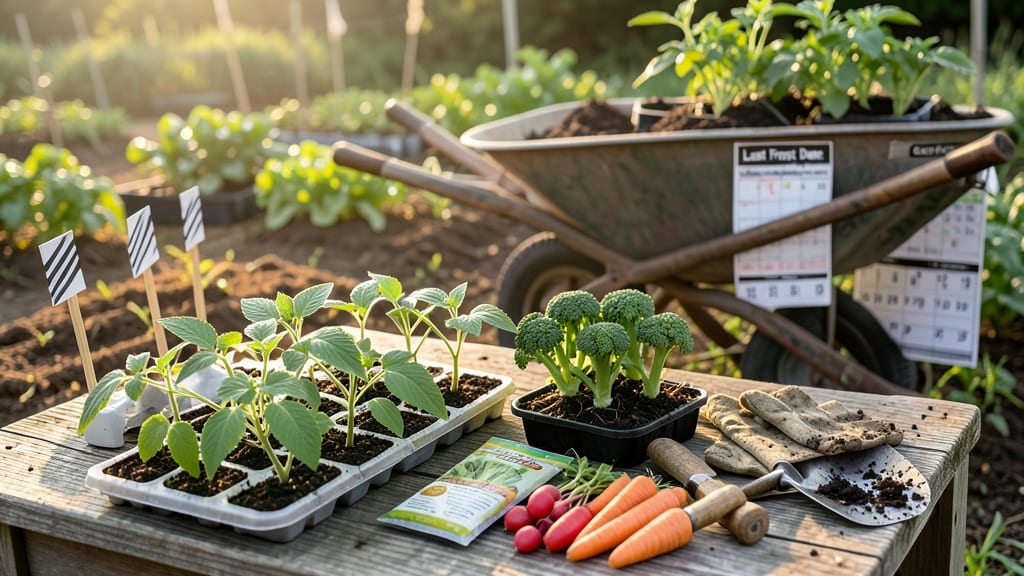
PA frost dates & optimal planting windows by month (Zone 4-7 guide)
Pennsylvania’s last spring frost dates and first fall frosts vary dramatically across its USDA Zones 4-7. In Philadelphia (Zone 7a), you’ll see average last frosts around April 15, while Pittsburgh (Zone 6b) typically waits until May 1.
These dates determine when to plant cool-season crops like lettuce or warm-season favorites like tomatoes.
For cool-season vegetables, start seeds 4-6 weeks before your last frost date.
In Harrisburg (Zone 6a), that means mid-March for spinach or late March for peas. Warm-season crops like peppers and eggplants need soil temperatures above 60°F, so wait until 2-3 weeks after your last frost—usually mid-May in most of PA.
Fall planting is equally critical. First fall frosts hit Philadelphia by October 30, but northern zones like Scranton (Zone 5b) see frost by October 15. Plan to sow fast-maturing crops like radishes or bush beans in late July to harvest before frost.
Here’s a quick reference for PA’s planting windows by crop type and region:
| Crop Type | Planting Window (Zone 6a Example) | Notes |
|---|---|---|
| Cool-Season (Lettuce, Spinach, Kale) | March 15–April 15 (spring) / August 1–September 1 (fall) | Bolt-resistant varieties for summer heat |
| Warm-Season (Tomatoes, Peppers, Cucumbers) | May 15–June 15 (transplant) / July 1–August 1 (direct sow) | Use row covers for early starts |
| Root Crops (Carrots, Beets, Radishes) | March 20–April 30 (spring) / July 15–August 15 (fall) | Sow successionally for continuous harvest |
| Legumes (Peas, Green Beans, Soybeans) | April 1–May 1 (spring) / July 15–August 1 (fall) | Peas tolerate light frost; beans need warmth |
For northern PA (Zones 4-5), adjust planting dates 2-3 weeks later than Zone 6a. For example, Pittsburgh’s last frost is often May 1, so wait until mid-May to transplant tomatoes. Southern PA (Zones 6b-7a) can start earlier—Philadelphia gardeners might sow spinach in late February under row covers.
Pro tip: Use Penn State Extension’s frost date maps to pinpoint your exact last frost date. For example, Allentown (Zone 6b) averages April 20 for last frost, while Erie (Zone 5b) waits until May 10.
These differences matter for heat-loving crops like okra or sweet potatoes, which need longer growing seasons.
In humid PA summers, succession planting is key. After harvesting early spring crops like peas, replant with bush beans or cucumbers in late June to maximize space. Fall crops like kale or Brussels sprouts thrive when planted in late July for a winter harvest.
Always check seed packets for days to maturity. A 60-day tomato sown in mid-June won’t ripen before frost in most of PA—plan accordingly! For extended harvests, try heat-tolerant varieties like ‘Heatmaster’ tomatoes or ‘Malabar’ spinach, which handle PA’s 90°F+ days better than standard varieties.
🌱
Best heat-tolerant vegetables for PA summers (and when to start them)
Pennsylvania’s summer heat and humidity can challenge even the hardiest vegetables—but some varieties thrive under these conditions. Choosing heat-tolerant crops like okra, sweet potatoes, and black-eyed peas ensures a successful harvest when other plants bolt or wilt.
The key is starting them at the right time to align with your region’s last frost date and soil warmth.
For southern PA (Zones 6-7), like Philadelphia or Lancaster, warm-season crops can go in the ground 2-3 weeks after your last frost (typically mid-April to early May).
In northern PA (Zones 4-5), like Pittsburgh or Erie, wait until late May to early June when soil temperatures consistently stay above 60°F.
🌱 Pro Tip: Use row covers or black plastic mulch to warm soil faster in cooler zones, giving heat-loving plants a head start.
- 🌿 Okra – Start seeds indoors 6-8 weeks before last frost or direct-sow after soil reaches 70°F (late May-early June). Thrives in 90°F+ heat and produces pods for 80+ days.
- 🍠 Sweet Potatoes – Plant slips (young plants) after last frost (mid-May in south PA, late May in north). Harvest 90-120 days later for storage-friendly tubers.
- 🌶️ Peppers (Bell, Jalapeño, Cayenne) – Transplant 2-3 weeks after last frost (soil 65°F+). Use black plastic mulch to retain heat. Harvest 60-90 days after transplanting.
- 🥕 Malabar Spinach – Direct-sow after last frost (May-June). Heat-resistant leafy green that produces year-round in mild winters. Harvest 30-40 days after sowing.
- 🌻 Southern Peas (Cowpeas, Black-Eyed Peas) – Sow directly after soil warms (late May-early June). Fixes nitrogen in soil and tolerates drought-like conditions. Ready in 50-60 days.
If you’re starting seeds indoors, begin 4-6 weeks before your last frost for peppers, eggplants, and tomatoes—these need longer growing seasons (70-90 days). Use grow lights if natural light is limited, as cool spring windows won’t provide enough intensity for seedlings.
For direct-sowing, wait until soil temperatures reach 60°F+ for most warm-season crops.
Test soil with a thermometer or use the "back of your hand" trick—if it feels warm to the touch, it’s ready. Corn and beans are exceptions; they prefer warmer soil (70°F+) and should wait until late May-early June in most of PA.
🌡️ Critical Timing: Plant tomatoes and peppers too early, and they’ll stunt or rot in cold soil. Too late, and they won’t mature before fall frosts (late September in north PA, early November in south). Aim for a harvest window of at least 100 days after transplanting.
Don’t forget succession planting! For bush beans, lettuce (heat-tolerant varieties like Romaine), and radishes, sow every 2 weeks from May through July to ensure a continuous harvest before winter sets in. This tactic works especially well in short-season zones (4-5) where summers are brief.