
Plants
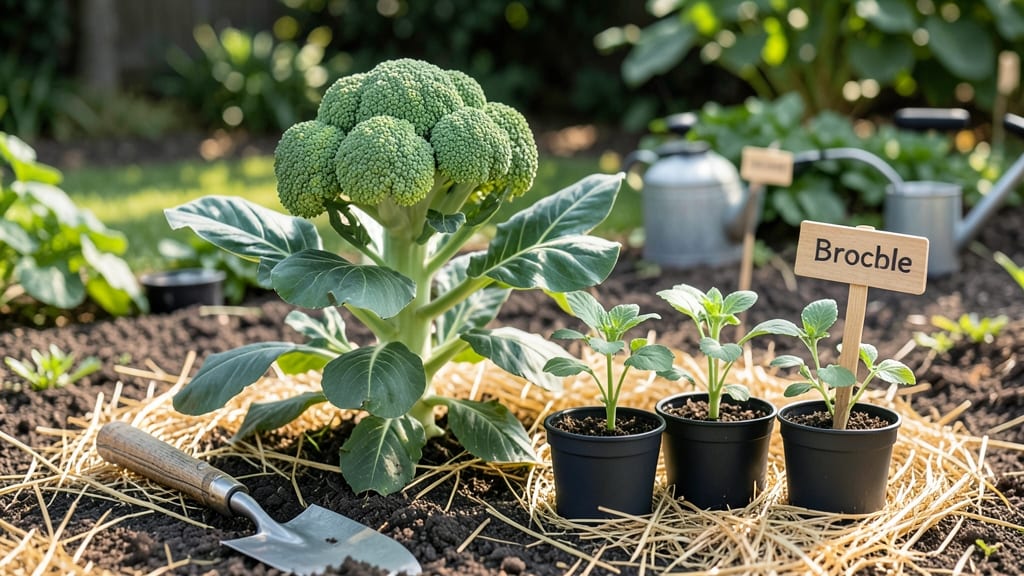
When to plant fall crops in Ohio isn’t just about avoiding frost—it’s about working with the state’s 5-6 USDA zones to maximize your harvest before winter sets in. One wrong move, and you’ll either bake your greens in summer heat or watch them freeze before they mature. The key? Planting at the right moment, whether you’re sowing kale in late July or broccoli in early August.
I’ve grown fall crops in Ohio for years, and the difference between a thriving garden and a failed one often comes down to those 6-8 weeks before the first frost.
You’ll learn how to calculate your local frost date, adjust for microclimates, and choose crops that perform best in Ohio’s cool but unpredictable autumns. No more guessing—just reliable harvests.
Let’s start with the basics: why Ohio’s northern and southern regions need different planting strategies, and how soil temperature plays a bigger role than most gardeners realize. Spoiler alert—your garden’s success depends on more than just the calendar.
By the end, you’ll know exactly when to plant each crop, how to extend your season with simple tools, and which common mistakes to avoid. Ready to turn Ohio’s fall into your most productive gardening season yet?
Ohio’s fall planting calendar: exact weeks before first frost by crop type
Ohio’s USDA Zones 5-6 mean your first frost typically arrives between October 15 and November 15, depending on location. For reliable fall harvests, I’ve broken down the ideal planting windows for cool-season crops—measured in weeks before frost—so you can plan with confidence.
These timelines account for Ohio’s northern vs. southern regional differences and ensure your plants mature before winter sets in.
Most cool-season vegetables thrive when planted 4-8 weeks before frost, but some hardy varieties can handle direct sowing just 2-3 weeks out. The key is understanding each crop’s days to maturity and adjusting for your county’s average frost date.
For example, spinach and radishes are quick growers (30-50 days), while broccoli and kale need 60-90 days to reach harvest size.
Here’s the visual planting guide for Ohio’s most popular fall crops, organized by weeks before frost and planting method. Use this as your roadmap to avoid the two biggest mistakes: planting too early (when soil is still warm) or too late (when nights are already chilly).
For northern Ohio (e.g., Cleveland, Toledo), aim for the longer end of these windows—say, 6-8 weeks before frost—since frost typically arrives earlier. In southern Ohio (e.g., Cincinnati, Columbus), you can push to 4-6 weeks out for most crops.
Always check your local frost date using the Old Farmer’s Almanac or NOAA’s climate tools for precision.
Pro tip: Use row covers or cold frames to extend your harvest window by 2-4 weeks after frost. For example, I’ve successfully grown spinach until mid-December in my Zone 5b garden by covering beds with lightweight fabric.
This trick works especially well for leafy greens and brassicas, which become sweeter after a light frost.
If you’re planting seeds indoors to get a head start, follow this rule: Start 4-6 weeks before transplanting outdoors. For instance, if you plan to transplant broccoli 6 weeks before frost, begin seeds 10-12 weeks before frost.
Use grow lights to supplement 14-16 hours of light daily until seedlings are ready for the garden.
One common mistake I see is overestimating soil warmth in early fall. Even when air temperatures drop, soil can stay warm enough to germinate seeds for weeks. Test your soil with a soil therm
How to adjust planting times for Ohio’s microclimates and soil conditions
Ohio’s diverse geography means your neighbor’s fall planting success might not match yours. Northern counties like Ashtabula (Zone 5b) average first frosts by October 10th, while southern areas like Chillicothe (Zone 6a) often delay until October 25th.
Check your county’s USDA Plant Hardiness Zone to fine-tune timing—just 2 weeks can mean the difference between a thriving garden and a frost-killed one.
Microclimates play a huge role too. Urban areas with concrete and pavement stay warmer longer, while rural spots with lake-effect cooling (like near Lake Erie) chill faster. If you’re near water, plant 1–2 weeks earlier—the temperature drop hits harder.
For elevated gardens, add 3–5 days to your frost date calculations since cold air settles in low areas first.
Soil temperature matters just as much as air temperature. Use a soil thermometer to confirm 45–55°F for cool-season crops—any colder, and seeds won’t germinate.
In southern Ohio, where soils warm longer, you can direct-sow radishes as late as October 1st, but in northeast Ohio, stick to September 1st or earlier. Amend heavy clay soils with compost or sand to improve drainage and warmth retention.
Extend your season with row covers or cold frames. A lightweight floating row cover can push back frost by 2–4 weeks, letting you plant broccoli or kale up to October 15th in most of Ohio.
For high-value crops like carrots, consider a mini greenhouse to harvest into November. Just remember: Remove covers during the day to prevent overheating.
Test your soil’s pH and nutrient levels before planting—fall crops thrive in 6.0–7.0 pH. Add aged compost or a balanced fertilizer (10-10-10) to replenish nutrients depleted by summer. In sandy soils, mulch with straw to retain moisture; in clay soils, use leaf mold to improve structure.
A well-prepped bed means faster germination and hardier plants facing Ohio’s early frosts.
Monitor local frost forecasts from sources like the Ohio State University Extension or National Weather Service. If a light freeze (28–32°F) is predicted, cover tender crops like lettuce with row fabric.
For a hard freeze (below 28°F), harvest or protect with straw mulch. Pro tip: Harvest leafy greens just before predicted frosts—they’ll often survive a light frost and taste sweeter afterward!