
Plants
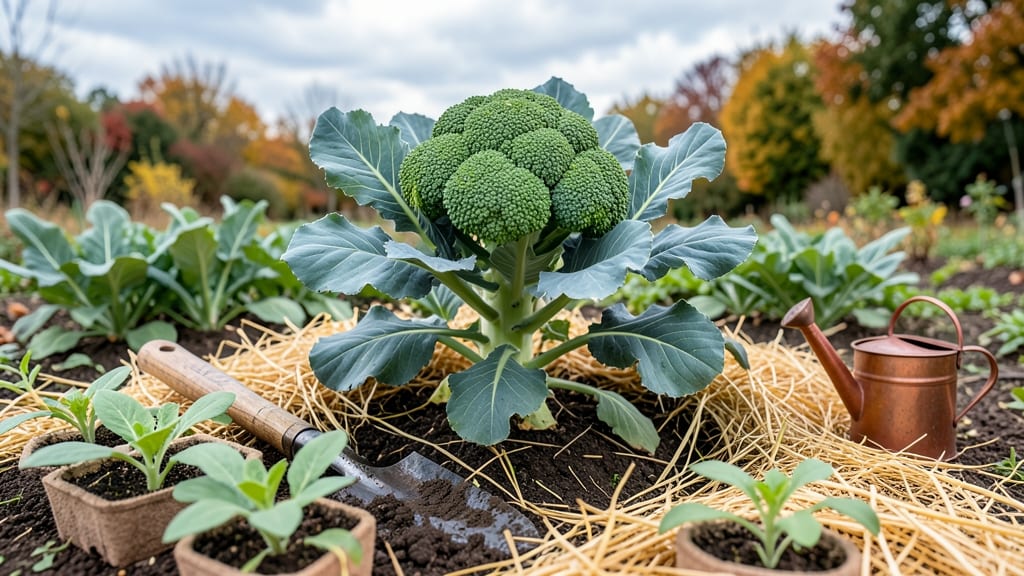
Timing your fall broccoli planting in Zone 6 can mean the difference between a bumper crop of 🥦 and a sad, wilted disappointment. The key isn't just about throwing seeds in the ground—it's about working with your climate's rhythm to give broccoli the perfect 8-week head start before frost arrives.
Most Zone 6 gardeners miss the sweet spot because they focus on calendar dates instead of frost deadlines. But here's what actually matters: planting 6–8 weeks before your first frost date (typically mid-October in 6a-6b) ensures your broccoli matures just as temperatures dip.
That's when those flavorful heads develop their signature sweetness.
I'll walk you through the exact planting window, soil prep secrets, and spacing tricks that keep your broccoli thriving through fall's cooler days. Whether you're a first-time gardener or a seasoned grower, these insights will help you avoid common pitfalls like bolting or frost damage.
Ready to grow broccoli that's not just abundant but exceptionally flavorful? Let's dive into the step-by-step schedule that transforms your late-summer garden into a fall harvest goldmine.
Zone 6 fall broccoli planting dates: exact weeks before first frost
Getting the timing right for fall broccoli in Zone 6 means aiming for a harvest just before winter frost—typically between late October and December. The key is planting 75–90 days before your first frost date (usually mid-October in Zone 6).
For most gardeners, this translates to late July to early August for direct sowing or transplants.
Broccoli thrives in cooler fall temperatures (50–60°F soil) but will bolt if summer heat lingers. Start seeds indoors 4–6 weeks before transplanting (around mid-July) to give seedlings a head start.
If you miss the window, opt for heat-tolerant varieties like ‘De Cicco’ or ‘Waltham 29’ to extend your planting range.
Use your average first frost date (check your local USDA Zone 6a/6b records) as your anchor. For example, if frost hits October 15, plant by August 1 for a 90-day maturity window. Late starts? Try succession planting every 2 weeks up to mid-August for staggered harvests.
| Stage | Action | Key Notes |
|---|---|---|
| Soil Prep | Test pH (6.0–7.0), amend with compost | Broccoli needs nutrient-rich soil to prevent bolting |
| Seed Starting | Indoor sowing: July 1–15 | Use grow lights if natural light is weak |
| Transplanting | Outdoor: July 20–August 5 | Hardening off seedlings for 1 week before moving |
| Direct Sowing | Outdoor: July 15–August 10 | Plant seeds ¼ inch deep, 18–24 inches apart |
| Harvest Window | October–December | Aim for 4–6 inch heads before buds open |
Pro tip: Monitor soil temperatures—broccoli seeds need 50–60°F soil to germinate. Use a soil thermometer to avoid planting too early when soil is still warm. If your garden runs hot, opt for shade cloth during peak afternoon sun to prevent bolting.
For high-elevation Zone 6b areas (e.g., Colorado, Wyoming), push planting dates 1–2 weeks later due to cooler nights. Conversely, lowland Zone 6a (e.g., Missouri, Arkansas) may need earlier starts to escape summer heat. Always adjust based on microclimates—north-facing beds stay cooler longer.
If you’re unsure about your frost date, use the National Weather Service or local Cooperative Extension Service for hyper-local data. For example, Madison, WI (Zone 6a) typically has frost by October 10, while Oklahoma City (Zone 6b) holds off until November 1. Plan accordingly!
Late-season adjustments: If August arrives with unusually high temps (above 85°F), delay planting until mid-August and choose fast-maturing varieties (50–60 days to harvest). Mulch with straw or grass clippings to keep roots cool and retain moisture.
Remember: Broccoli is a cool-season crop, so the goal is to beat the heat while avoiding frost. With the right timing, you’ll enjoy crisp, flavorful heads long after summer tomatoes are gone. Happy planting!
Zone 6 fall broccoli planting dates: exact weeks before first frost
In Zone 6, your fall broccoli thrives when planted 75–90 days before the first frost—typically mid-August to early September. This 8-week window ensures heads mature before cold snaps, but timing varies by elevation and microclimates.
For example, highland areas may need to start 2 weeks earlier, while lowlands can stretch to late September. Always check your local frost date (usually mid-October in Zone 6) to fine-tune your schedule.
Soil temperature is critical for germination—aim for 50–60°F (10–15°C).
Test your soil with a thermometer or wait until late July if early plantings risk bolting from residual summer heat. Heat-tolerant varieties like ‘Belstar’ or ‘Calabrese’ can handle slightly warmer soils, but cool-season types (e.g., ‘Waltham 29’) perform best in 55–65°F (13–18°C) ranges.
| Stage | Action | Zone 6 Timeline |
|---|---|---|
| Soil Prep | Test pH (6.0–7.0), amend with compost | Late July |
| Direct Sow | Plant seeds ½" deep, 18" apart | Mid-August |
| Transplant | Move seedlings 12" apart in rows 24" apart | Late August |
| Harvest | Cut heads when 4–6" wide, buds closed | October–November |
If you miss the ideal window, don’t panic! Succession plant a second batch 4–6 weeks later (early September) for a staggered harvest. Use heat-tolerant varieties like ‘Green Goliath’ to push the envelope—these mature in 50–60 days, leaving room for late starts.
Just monitor nighttime temperatures: broccoli bolts when nights dip below 50°F (10°C) for extended periods.
Pro tip: Mark your calendar for September 1st—this is your last call for a reliable harvest before frost.
After this date, focus on protection methods (like row covers) or cold-hardy varieties to salvage your crop. Avoid planting after mid-September unless you’re using low tunnels, as even light frosts can damage tender heads.
For container gardeners, start seeds indoors 6–8 weeks before transplanting (late July). Use 5-gallon pots with well-draining mix and move to full sun (6+ hours) once seedlings are 3" tall. Containers warm up faster, so shade cloth may be needed in late August to prevent bolting.
Remember: Consistency beats perfection. Even a 1–2 week delay can work if you adjust care—just water deeply (1–1.5" weekly) and mulch to retain soil moisture as temps drop. Your fall broccoli will thank you with bold, sweet heads ready for harvest just as winter sets in! 🥦