
Plants
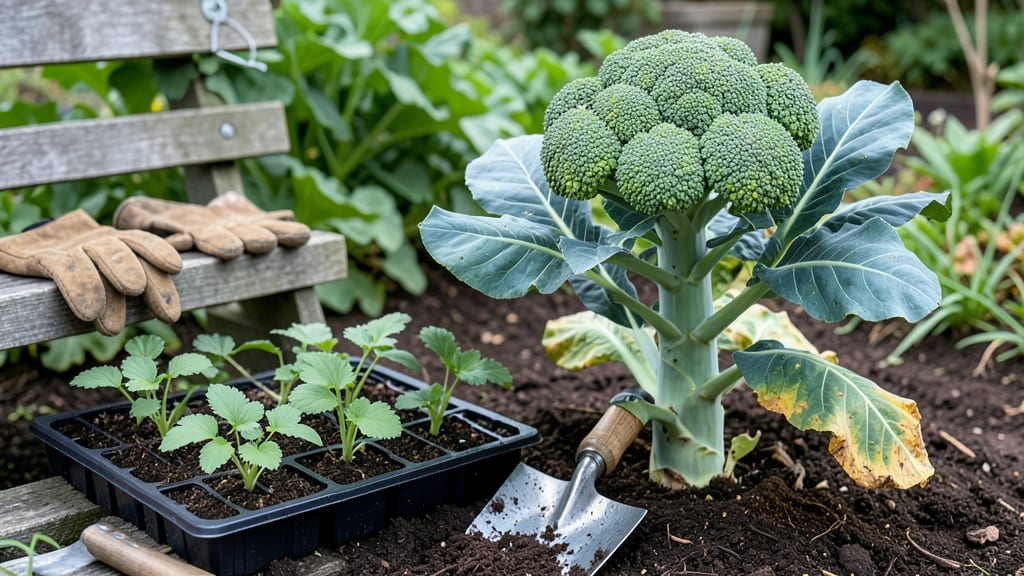
Timing your 🥦 broccoli planting in Kansas isn’t just about luck—it’s about avoiding frost damage or bolting before harvest. With the right schedule, you can enjoy crisp heads from spring to fall, even in zones 5b-7a where temperatures swing wildly.
Most gardeners in Kansas make one of two mistakes: starting too early and losing plants to late frosts, or waiting too long and triggering bitter bolts from summer heat.
The solution? Plant cold-hardy varieties like ‘Waltham 29’ between March 15 and April 30 for spring harvests, or sow seeds August 1–September 15 for fall crops.
In this guide, I’ll break down the exact planting windows for your region, plus soil prep tips and variety recommendations to maximize your yield. Whether you’re in northern Kansas where frosts linger or southern areas with earlier springs, you’ll learn how to time it perfectly.
Ready to grow broccoli that thrives? Let’s dive into the game-changing schedule that’ll have you harvesting June through November—no guesswork required.
Kansas broccoli planting calendar: exact start dates by climate Zone
Kansas’ climate varies dramatically from northern (USDA Zone 5b) to southern (Zone 6a-7a), so your planting window depends on where you live. In northern Kansas, broccoli thrives when planted 4-6 weeks before your last frost date—typically March 15 to April 15.
Southern Kansas gardeners can push this slightly later, aiming for March 30 to April 30.
For fall harvests, the key is planting 3 months before your first frost. In northern Kansas, that means August 1 to September 1, while southern regions can extend this to September 15. Timing is critical—plant too late, and summer heat will trigger bolting (premature flowering).
Soil temperature matters just as much as dates. Broccoli seeds need soil at least 40°F to germinate. In Kansas, this usually aligns with mid-March in southern zones and late March in the north. Use a soil thermometer to confirm—cold soil delays germination by weeks.
Transplants (not seeds) give you a head start. Start them indoors 6-8 weeks before your last frost date, then move them outside when soil warms to 50°F.
Harden off seedlings for 7-10 days to toughen them up before planting. This method works best for spring plantings in Kansas’ shorter growing season.
Here’s the visual breakdown of your planting schedule, tailored to Kansas’ two main climate zones:
| Zone | Spring Planting | Fall Planting | Last Frost Date | First Frost Date |
|---|---|---|---|---|
| Northern KS (5b) | March 15–April 15 | August 1–September 1 | April 15 | October 15 |
| Southern KS (6a-7a) | March 30–April 30 | August 15–September 15 | April 20 | October 20 |
📅 Pro Tip: Use a frost calendar for your county (available via Kansas State University Extension) for precise dates.
If you’re direct-sowing seeds (not transplants), adjust your timeline 2-3 weeks earlier—seeds take longer to establish. For example, in northern Kansas, sow seeds March 1 for a May harvest. In southern Kansas, seeds can go in as early as February 20 for a late-April start.
Kansas’ summer heat (often exceeding 90°F) is broccoli’s biggest enemy. Varieties like ‘De Cicco’ (an Italian heirloom) handle heat better than others, but even they’ll bolt if planted too late. Aim to harvest before July 15 in most of Kansas to avoid bitter, woody heads.
For fall plantings, focus on late-summer varieties like ‘Waltham 29’, which matures in 50-60 days. Plant these by August 15 in northern Kansas to harvest before frost. In southern regions, you can push it to September 1 for a November harvest.
One common mistake Kansas gardeners make? Planting broccoli too close to frost dates. A light frost (28-32°F) won’t kill mature plants, but heavy frost (below 28°F) will ruin tender heads. Use row covers if late frosts threaten your October harvests.
Finally, succession planting extends your harvest. In Kansas, sow new seeds every 2 weeks from March to May for a staggered crop. Repeat in August for fall. This ensures you’re never without fresh broccoli from June to November.
5 Critical factors that determine your broccoli’s success in Kansas
Kansas’ variable climate—from freezing winters to scorching summers—means your broccoli’s success hinges on 5 key factors beyond just planting dates. I’ve grown broccoli here for years, and these are the non-negotiables that separate thriving crops from bitter disappointments.
Let’s break them down so your plants grow bold, crisp heads instead of bolting early or wilting under stress.
First, soil pH and fertility are non-negotiable. Kansas soils often lean alkaline, but broccoli thrives in 6.0–7.0 pH. Test your soil in early spring or fall—I use a simple home test kit—and amend with compost or peat moss if needed.
A balanced 5-10-10 fertilizer at planting gives your plants the phosphorus they need for root development, but avoid overdoing nitrogen or your plants will prioritize leaves over heads.
⚠️ Callout Warning: Kansas-Specific Pitfall
Don’t skip soil prep—Kansas’ clay-heavy soils in eastern regions (like USDA Zone 6a) drain poorly, leading to root rot. Mix in 2–3 inches of compost and consider raised beds if your yard holds water after rain.
Second, consistent moisture is your broccoli’s best friend. These plants hate drought stress, which triggers bolting (that’s when they send up flowers and turn bitter). In Kansas, I water deeply every 3–5 days—more often in summer’s 90°F+ heat.
Use a drip irrigation system or soaker hose to keep leaves dry (wet foliage invites fungal diseases like downy mildew). Early morning watering is key—it gives the soil time to dry out during the day, reducing pest and disease pressure.
Third, companion planting can save your crop from Kansas’ worst pests. Cabbage loopers and imported cabbageworms are relentless here, but I’ve found that planting basil, dill, or marigolds nearby deters them naturally. Avoid planting broccoli near tomatoes or strawberries, as they compete for nutrients and attract similar pests.
For extra protection, I use row covers in early spring or late fall when pests are most active.
Fourth, temperature management is critical—broccoli bolts (goes to seed) when stressed by heat. In Kansas, spring plantings should be done 4–6 weeks before your last frost date (usually mid-March to late April in most zones).
For fall harvests, sow seeds 3 months before your first frost (aim for early August). If summer temperatures creep above 80°F, provide afternoon shade cloth to keep plants cool and prevent bolting.
Finally, harvest timing makes or breaks your crop. Wait until heads are 6–8 inches wide and tightly closed—this usually takes 60–80 days from transplanting. Cut stems 6–8 inches below the head to encourage side shoots for a second harvest.
If you miss the window, broccoli turns woody and bitter, but don’t toss it! Use the stalks in stews or soups where texture doesn’t matter.