
Plants
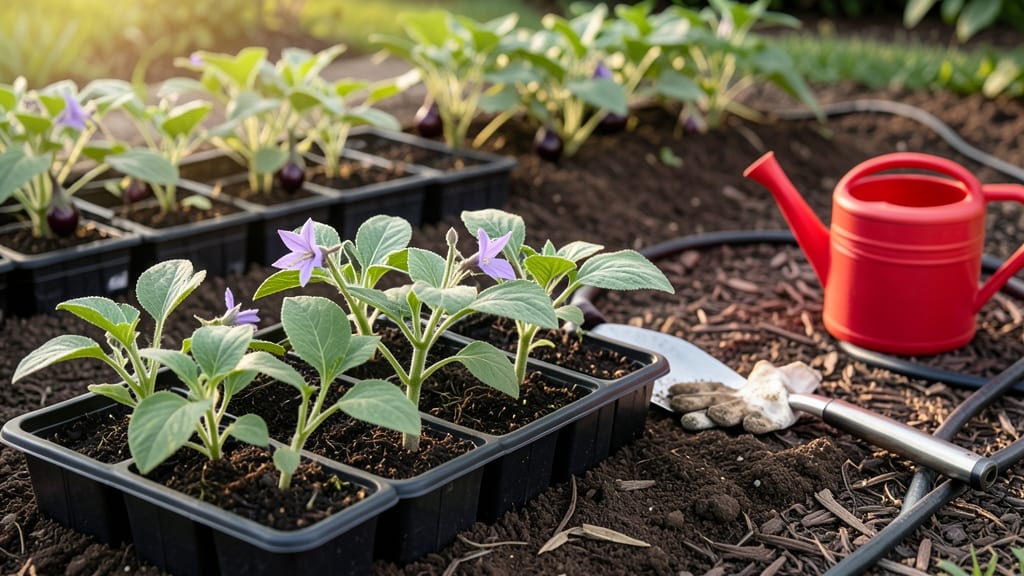
If you're dreaming of a bountiful harvest of 🍆 eggplant in Florida, timing your planting is the key to avoiding wilting vines and missed opportunities.
The state's unique climate—with its long, hot summers and unpredictable frost—means planting too early can leave your plants vulnerable, while waiting too late risks stunted growth from the heat.
For Florida gardeners in zones 9a-11, the ideal window to plant eggplant stretches from March through September, but there’s more to it than just months.
Whether you're in North Florida where frost can linger into March or South Florida where summer heat arrives early, understanding your microclimate makes all the difference.
In this guide, I’ll break down the exact planting schedule tailored to Florida’s regions, plus soil prep tips to ensure your eggplants thrive. You’ll discover how to choose heat-resistant varieties and when to transplant versus direct sow for maximum success.
Ready to grow eggplants that flourish despite Florida’s challenges? Let’s get started with the easiest strategies to turn your garden into a productive oasis.
Optimal planting windows for eggplant in Florida’s zones 7-11
Florida’s USDA Zones 7-11 create unique challenges for eggplant growers. Unlike northern climates, we don’t have to worry about hard frosts, but humidity and intense summer heat demand precise timing.
The sweet spot? Planting when soil temperatures hit 70°F or warmer—typically in late February to early March for spring crops and August to early September for fall harvests.
North Florida’s cooler winters (Zone 7-8) allow for earlier spring planting—start seeds indoors in January—while South Florida’s Zone 10-11 gardeners can direct-sow year-round with proper shade during peak summer. The key is avoiding blossom drop from heat stress, which happens when daytime temps exceed 95°F for prolonged periods.
🌱 Florida’s frost-free window spans 300+ days, but that doesn’t mean eggplants thrive all year. The hottest months (June-August) require heat-tolerant varieties and shade cloth to prevent wilting. For most home gardeners, two planting cycles—spring and fall—yield the best results with minimal stress on the plants.
Here’s where Florida’s microclimates come into play: Coastal areas like Miami (Zone 11) can plant throughout the year, while inland Orlando (Zone 9b) benefits from fall planting to escape summer’s peak heat. Even a 5°F temperature difference between zones can shift your ideal planting window by 2-4 weeks.
Before you rush to the garden center, check your last frost date—North Florida’s average is January 31, while Central Florida’s is March 15. But remember: Eggplants hate cold soil, so wait until 2 weeks after your last frost date to transplant seedlings.
This gives the soil time to warm up to 70°F+, which is critical for germination and root development.
🌡️ Pro Tip: Use a soil thermometer to confirm readiness. If your soil is below 65°F, hold off on planting—even heat-loving eggplants will struggle. In South Florida (Zone 10-11), you can plant year-round, but summer planting requires extra care like drip irrigation and afternoon shade.
| Region | Zone | Best Planting Window | Key Considerations | Heat Risk |
|---|---|---|---|---|
| North Florida (Pensacola, Tallahassee) | 7b-8a | Late Feb - Early Mar (Spring) / Aug - Early Sep (Fall) | Soil warms slowly; use black plastic mulch | High June-Aug (95°F+) |
| Central Florida (Orlando, Tampa) | 9a-9b | Early Mar - Late Mar (Spring) / Late Aug - Early Sep (Fall) | Humidity spikes in summer; prune for airflow | Very High July-Aug (100°F+) |
| South Florida (Miami, Fort Lauderdale) | 10a-11 | Year-round (avoid peak summer) | Use shade cloth 30-50% for summer plants | Extreme June-Aug (90°F+ with humidity) |
| Coastal (Key West, Naples) | 11 | Feb - Apr / Sep - Nov (avoid Dec-Jan) | Salt spray can damage leaves; rinse plants | High May-Oct (88°F+ average) |
For spring planting, aim to have seedlings ready by mid-March in North Florida and early April in South Florida.
This gives your eggplants 80-100 days to mature before summer’s heat peaks. Fall planting should start in August for a harvest before first frost—which can arrive as early as November 15 in North Florida.
If you’re tempted to direct-sow seeds instead of transplanting seedlings, know this: Eggplants germinate best at 75-85°F. In Florida, this means waiting until late April for North Florida or March for South Florida.
Direct sowing is riskier because seedlings take 2-3 weeks to emerge, and pests like flea beetles love fresh eggplant seedlings.
One game-changer for Florida gardeners is black plastic mulch. Laying it down 2 weeks before planting warms the soil by 5-10°F, speeds up germination, and suppresses weeds.
It’s especially useful in North Florida’s cooler zones, where soil takes longer to warm. Pair it with drip irrigation to
Soil and pre-planting prep: Florida-specific tips for eggplant success
Florida’s sandy, fast-draining soils need extra prep to give eggplants the nutrients and moisture they crave. Start by testing your soil’s pH level—eggplants thrive in 6.0 to 6.8. If your soil tests lower, amend with lime; if it’s too alkaline, add sulfur or peat moss.
My go-to is a mix of compost and aged manure to boost organic matter, which Florida’s sandy soils desperately lack.
Before planting, till in 2-3 inches of compost or well-rotted manure to improve soil structure and fertility. For containers, use a lightweight potting mix with added perlite or vermiculite to prevent compaction. Eggplants are heavy feeders, so I always add a balanced fertilizer (5-10-10) at planting time to kickstart growth.