
Plants
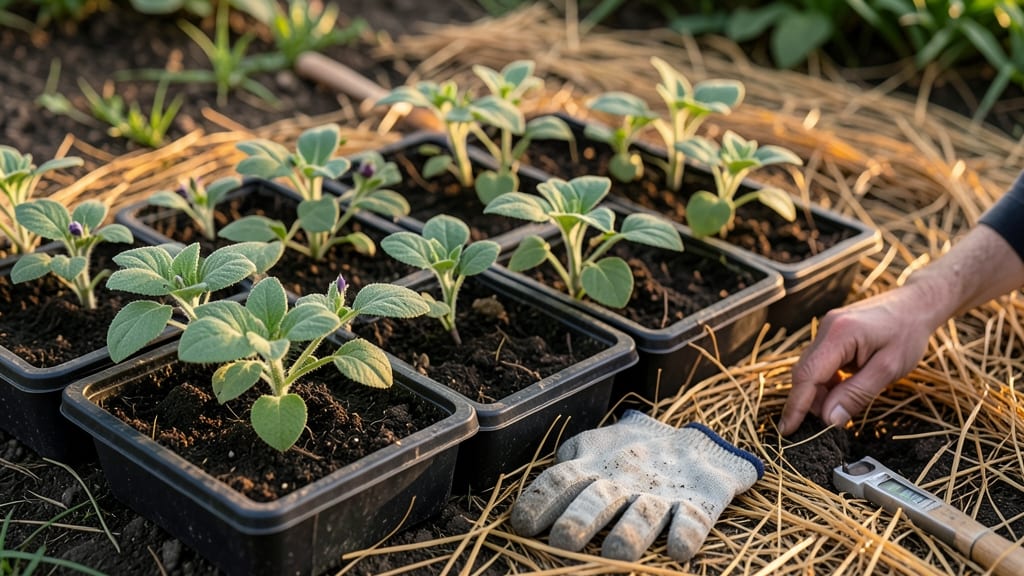
Timing your eggplant planting in Zone 7 could mean the difference between a thriving 🍆 harvest and wasted effort. These heat-loving plants refuse to grow when temperatures dip below 60°F, so getting the window right is everything.
Most gardeners in Zone 7 wait until after the last frost—typically mid-May—but there’s more to it than just dates. Soil temperature matters just as much as air temperature, and cooler springs in northern parts of the zone demand extra patience.
I’ll show you exactly when to start seeds indoors versus transplanting directly, plus how to protect young plants from unexpected chills.
What you’ll discover here goes beyond basic guidelines: we’re talking about soil thermometers, frost-free strategies, and variety selection that thrives in Zone 7’s 180-day growing season. Whether you’re a first-time gardener or a seasoned pro, these insights will help you avoid common pitfalls and maximize your eggplant’s potential.
Let’s cut to the chase—because in gardening, as with life, timing is everything. You’ll leave here knowing the precise moments to plant, how to extend your season, and which varieties perform best in your specific corner of Zone 7.
Optimal eggplant planting dates in Zone 7 based on soil temperature
Eggplants are heat-lovers that won’t tolerate cold soil—even a brief dip below 55°F can stunt growth or kill seedlings. In Zone 7, where last frost dates range from mid-April to late May, timing is everything.
The key is waiting until your soil reaches at least 60°F (warmer is better) before transplanting, or starting seeds indoors 8-10 weeks before your area’s last frost date.
Zone 7 spans a wide geographic area, so northern sub-zones (e.g., Pittsburgh, PA) have later frost risks than southern areas (e.g., Atlanta, GA). For northern Zone 7, aim to transplant after May 15, while southern areas can start as early as mid-April.
Always check your local frost dates—they’re your planting calendar!
| Planting Method | Recommended Start Window (Zone 7) | Soil Temperature Requirement | Key Considerations |
|---|---|---|---|
| Indoor Start | 8-10 weeks before last frost (Feb-March) | Room temp (70-75°F) | Use grow lights; harden off seedlings for 1 week before transplanting. |
| Direct Sow | After May 15 (northern Zone 7) or April 15 (southern) | Minimum 60°F (70°F+ ideal) | Soil must stay warm; use black plastic mulch to speed warming. |
| Transplant Seedlings | After last frost, when soil is 70°F+ | 70-80°F (critical for root growth) | Transplant in evening to reduce shock; water deeply afterward. |
If you’re direct-sowing eggplant seeds, wait until the soil temperature consistently stays above 60°F—use a soil thermometer to check in the morning.
In Zone 7, this typically happens after May 15 in northern areas but can be as early as mid-April in southern regions. Black plastic mulch can raise soil temps by 5-10°F, letting you plant 2-3 weeks earlier.
For indoor starts, begin seeds 8-10 weeks before your last frost date. Use seed-starting trays with a heating mat (70-75°F) to ensure strong germination. Harden off seedlings for 7-10 days before transplanting to toughen them up for outdoor conditions.
Pro tip: Test your soil temperature for 3 days in a row before planting—if it dips below 60°F at night, delay transplanting. Eggplants won’t recover from cold stress, so patience pays off for a healthier harvest.
In Zone 7, succession planting works well for eggplants. Start a second batch of seeds indoors in late June to transplant in early July, giving you a late-summer harvest before frost. This extends your growing season and maximizes your garden’s productivity.
Remember, eggplants grow fastest in warm soil. If you rush and plant too early, your plants may linger as stunted seedlings instead of thriving. Wait for the right conditions, and you’ll reward yourself with plump, glossy eggplants all season long.
For extra insurance, plant a few extra seeds—eggplants can be pickier about conditions than tomatoes or peppers. If one batch struggles, you’ll have backups ready to replace it.
How to extend the eggplant growing season in Zone 7’s unpredictable spring
Zone 7’s unpredictable spring weather can turn your eggplant dreams into frozen disappointment if you’re not prepared. Even after the last frost date, cool snaps below 55°F can stunt growth or kill seedlings. The key is creating a microclimate that mimics summer conditions as soon as possible.
Start by monitoring your soil temperature—eggplants need at least 60°F to thrive. Use a soil thermometer to track progress, especially in northern Zone 7 where mornings can still dip.
If your soil isn’t warm enough by late May, don’t panic—there are proven ways to speed up warming and protect your plants.
Black plastic mulch is my go-to trick for raising soil temperatures 10-15°F faster than bare earth. Lay it down 2-3 weeks before planting to create a warm, sterile environment that discourages weeds and retains moisture. Pair this with row covers (lightweight fabric) to shield seedlings from late frosts while still allowing sunlight through.
⚠️ Critical Eggplant Protection Rules
- Never plant before May 15 in northern Zone 7—late frosts below 50°F will kill seedlings instantly.
- Eggplants wilt in temps below 55°F—use row covers until soil warms consistently to 60°F+.
- Overwatering cold soil causes rot—wait until soil is at least 60°F before transplanting.
🌱 Pro Tip: Test soil temp in the morning—if it’s below 60°F, delay planting or use heat mats.
For extra insurance, try raised beds filled with compost-rich soil. They warm up 2-3 weeks faster than in-ground plots and give you better control over drainage. Add a 1-inch layer of straw mulch after planting to regulate soil temperature and retain moisture during dry spells.
Companion planting can also boost heat retention and deter pests. Try planting eggplants near marigolds (which repel nematodes) or basil (which improves flavor and growth). Avoid planting near fennel or dill, as their roots can compete for nutrients and stunt your eggplants.
If you’re still worried about early-season chills, consider starting seeds indoors 8-10 weeks before your average last frost date. Use grow lights to provide 14-16 hours of light daily until seedlings are 3-4 inches tall with 2 sets of true leaves.
Harden them off for 7-10 days before transplanting into the garden.