
Plants
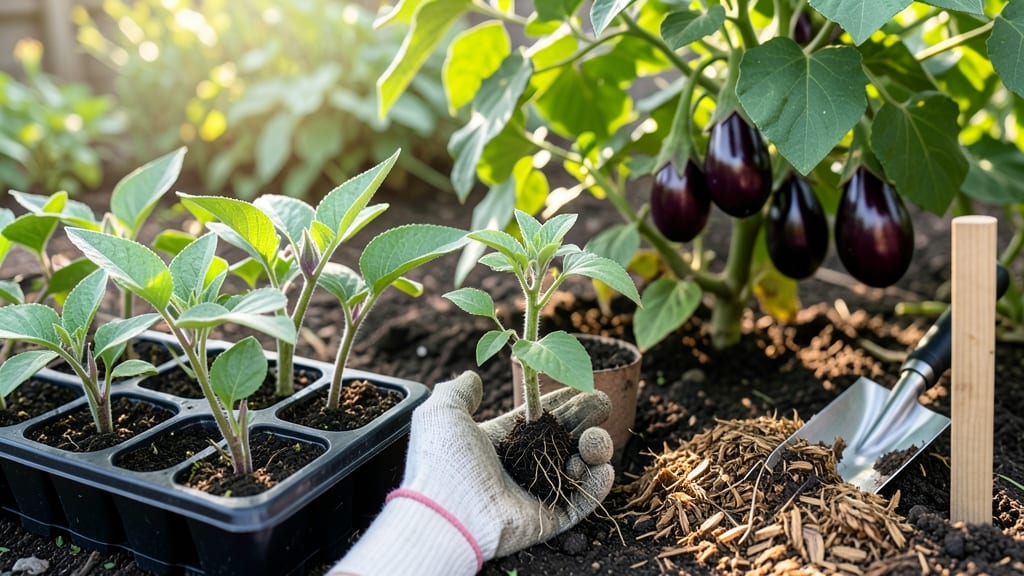
Planting eggplant in Southern California at the wrong time can mean the difference between a bountiful harvest and wilted dreams—especially when summer heat arrives faster than you expect. With 9b-11 zones across the region, timing your 🍆 transplants matters more than you might think.
Most gardeners assume spring is the only window, but SoCal’s microclimates (coastal, inland, desert) actually allow for two prime planting seasons: early spring and late summer. The key? Waiting until soil temperatures hit 70°F+—too soon, and your seedlings bolt; too late, and you miss the harvest window.
I’ve grown eggplants in Southern California for years, and the 3-week transplant window is non-negotiable. Miss it, and you’ll either battle heat stress or watch your plants struggle as summer intensifies. Let me show you exactly when to plant—plus how to adjust for your specific heat zone.
Ready to avoid the common mistakes? You’ll learn how to calculate your perfect transplant date, choose the right varieties for your climate, and keep your 🍆 thriving until harvest. Let’s get started.
Southern California heat zones: best eggplant transplant timing by region
Southern California’s diverse microclimates create distinct eggplant transplant windows. The Coastal regions (like San Diego) enjoy longer growing seasons with milder summers, while Inland areas (e.g., Riverside) face intense heat that demands earlier transplants. Desert zones (Palm Springs) require fall-only planting to avoid summer’s scorching temperatures.
Eggplants thrive when soil reaches 70°F+ and stays consistently warm. In most of SoCal, this happens 2-4 weeks earlier in coastal areas than inland.
For example, San Diego gardeners can transplant as early as late February, while Los Angeles waits until mid-March, and Palm Springs delays until August for fall crops.
Here’s how to match your region’s heat zone to the perfect transplant window:
| Region | USDA Zone | Spring Transplant Window | Fall Transplant Window | Soil Temp Goal |
|---|---|---|---|---|
| Coastal (San Diego, Santa Barbara) | 10-11 | Late Feb - Early April | Late Aug - Early Sept | 70°F+ |
| Inland (LA, Orange County) | 9b-10 | Mid-March - Mid-April | Mid-Aug - Late Aug | 70°F+ |
| Desert (Palm Springs, Joshua Tree) | 9b-10 | N/A (Too hot) | Late Aug - Early Sept | 75°F+ |
Coastal areas benefit from two planting cycles: spring and fall. Inland regions can squeeze in one spring cycle if they use shade cloth during summer. Desert gardeners must rely on fall-only planting to avoid 100°F+ soil, which stunts growth.
Use a soil thermometer to confirm readiness. Eggplants wilt if soil drops below 65°F or spikes above 85°F for extended periods. In Inland zones, transplant in early morning or late afternoon to avoid midday heat stress.
For coastal gardeners, aim to harvest before July’s heat wave. Inland growers should prioritize heat-tolerant varieties like ‘Ichiban’ to survive 90°F+ days. Desert gardeners must act fast—transplant within 2 weeks of soil warming to 75°F to ensure fruit set before winter chill.
Pro tip: Mulch heavily with straw or wood chips to maintain soil temperature. This keeps roots 5-10°F cooler during summer, extending the growing season by 2-3 weeks in inland areas.
Missed the spring window? Don’t despair—fall planting works beautifully in SoCal. Just start seeds indoors in June for August transplants, giving plants time to mature before winter rains arrive.
🌱
The 3-Week transplant window: how to maximize eggplant success in SoCal
Timing your eggplant transplants within this 3-week window is the secret to avoiding heat stress and premature bolting.
In Southern California, this window typically opens when daytime temperatures consistently stay between 70°F and 85°F—usually late April to early June for spring plantings and mid-August to early September for fall plantings.
Miss this window, and you risk stunted growth from early heat or slow development from late planting. The key is monitoring soil temperatures (use a soil thermometer) and weather forecasts for extended heatwaves, which can scorch young seedlings.
Eggplants hate temperature swings. Avoid transplanting during heatwaves (above 90°F) or cooler evenings (below 60°F). Harden off seedlings for 7-10 days before transplanting by gradually exposing them to outdoor conditions.
Start by preparing your seedlings indoors 8-10 weeks before your target transplant date. Use biodegradable pots to minimize root disturbance when moving them outdoors. Once seedlings have 4-6 true leaves and soil temperatures hit 70°F+, it’s time to transplant.
For spring plantings, aim to transplant 2-3 weeks before the June heat peaks (typically late May). In fall, transplant 3-4 weeks before the first September heatwave to give plants time to establish roots before summer’s return. Always choose overcast days or transplant in the early evening to reduce stress.
If you miss the ideal window, don’t panic! You can still try transplanting early September for a fall harvest, but use shade cloth (30-50%) to protect plants from afternoon sun. Mulch heavily with straw or wood chips to retain moisture and cool roots.
Pro tip: Plant eggplant companions like basil or marigolds nearby to deter pests and improve soil health. These plants also help stabilize soil temperatures, creating a more forgiving microclimate for your eggplants.