
Plants
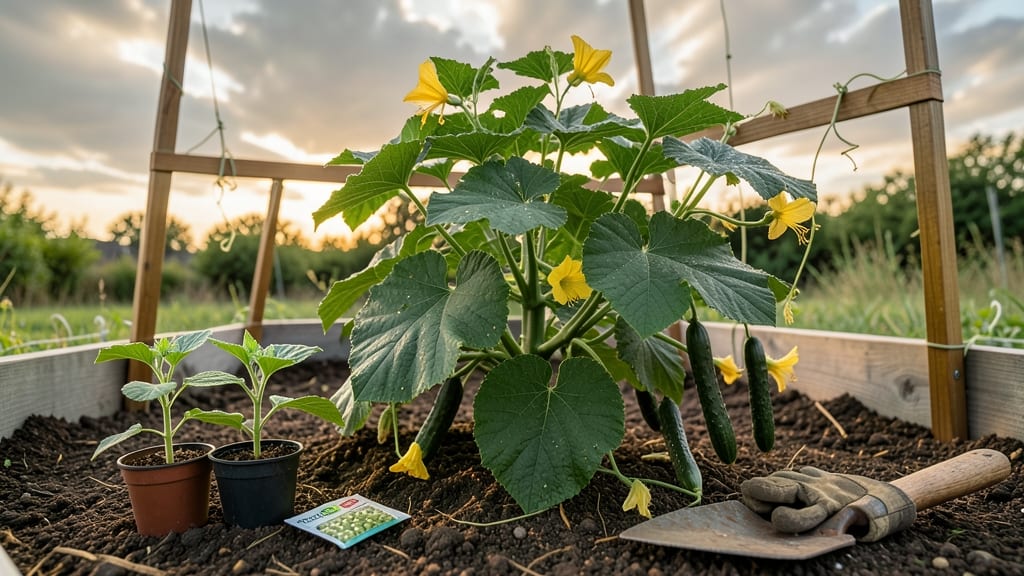
Timing your cucumber 🥒 planting in Central Florida isn’t just about the calendar—it’s about outsmarting the heat to avoid bolting and wasted effort. The wrong window means your plants bolt before they bear fruit, leaving you with bitter vines instead of crisp harvests.
With 9b climate extremes, I’ve learned the two best windows—February-March for spring and August-September for fall—are your golden opportunities. But here’s the catch: coastal areas like Tampa have different heat triggers than inland Orlando, and getting the soil temperature right (60°F+) makes all the difference.
Let me show you exactly how to sync your planting with Central Florida’s microclimates, from soil prep tricks to variety choices that thrive in our humidity. You’ll discover why succession planting every 2–3 weeks keeps your harvests going all season long.
Skip the guesswork and start with the strategies that actually work for your specific zone—because in Florida, timing isn’t just important, it’s everything.
Central Florida heat zones: best cucumber planting times by microclimate
Central Florida’s USDA Zone 9b climate creates unique challenges for cucumber growers. Unlike northern states, we don’t have to worry about frost, but we do face heat spikes that can trigger bolting—when plants flower prematurely and produce bitter fruit.
The key is planting when soil temperatures hit 60°F+ and aligning with your local microclimate’s heat zone patterns.
Orlando’s urban heat island runs 3–5°F warmer than rural areas, while coastal regions near Tampa experience humidity-driven stress. Gainesville’s slightly cooler highlands allow for earlier plantings. Let’s break down the optimal windows for each zone to maximize your harvest.
🌱
| Microclimate | Best Planting Window | Soil Temp Trigger | Harvest Peak | Key Risk |
|---|---|---|---|---|
| Orlando (Urban) | Late Feb–Mid-Mar Aug 15–Sept 1 |
62°F+ (warmer soil) | April–May Oct–Nov |
Bolting from 90°F+ heat |
| Tampa (Coastal) | Early Feb–Early Mar Aug 1–Aug 15 |
60°F+ (humidity delays warming) | March–April Sept–Oct |
Fungal diseases from high humidity |
| Gainesville (Highlands) | Mid-Jan–Late Feb July 20–Aug 10 |
58°F+ (cooler nights) | March Sept–Oct |
Late frosts (rare but possible) |
| Ocala (Lake Region) | Late Jan–Mid-Feb July 30–Aug 20 |
61°F+ (moderate climate) | April Sept–Oct |
Nutrient depletion in sandy soil |
Pro Tip: Use a soil thermometer to confirm 60°F+ before planting—this is critical for germination success.
For Orlando gardeners, the late February to mid-March window is ideal because it gives cucumbers time to establish roots before April’s heat spikes. If you’re in Tampa’s coastal zone, plant 2–3 weeks earlier to beat the summer humidity, which can cause powdery mildew.
Gainesville’s cooler highlands allow for January plantings, but monitor for unexpected frosts after January 15. Wrap young plants with frost cloth if nighttime temps dip below 40°F. In Ocala’s sandy soil, focus on amending beds with compost—cucumbers here need extra nutrients to thrive.
🌡️
Timing isn’t just about months—it’s about heat accumulation. Cucumbers need 1,200–1,500 growing degree days (GDD) to mature. In Central Florida, this translates to 60–70 days of 70°F+ average temps.
Plant too early, and you’ll face slow growth from cool soil. Plant too late, and you’ll trigger bolting before harvest.
To stretch your season, consider shade cloth (30–50%) during June–August if you’re experimenting with summer plantings. This buys you 2–3 extra weeks before heat stress sets in. For fall harvests, aim for
How to avoid cucumber bolting in Central Florida’s heat
Central Florida’s sweltering afternoons can send cucumbers into a premature bolting frenzy, where vines flower and fruit before reaching full size. The key to preventing this is strategic heat management—not just during planting, but throughout the growing season.
Bolting occurs when cucumbers sense heat stress or drought, triggering early flowering. In Central Florida, this typically happens when daytime temps exceed 90°F consistently. The solution? Shade cloth, mulch, and consistent moisture work together to keep plants cool and productive.
Shade cloth (30-50%) is your first line of defense. Install it by late May to block the harshest afternoon sun (1 PM–5 PM). For coastal areas like Tampa, start earlier—around mid-April—since humidity accelerates bolting. Remove it by September to allow sunlight for fall harvests.
⚠️ Bolting Warning Signs
Yellowing leaves on lower vines? That’s heat stress. Small, bitter fruit appearing too soon? Your plants are bolting prematurely. Act fast: water deeply, add mulch, and check for pests like cucumber beetles, which worsen stress.
Mulching with straw or black plastic keeps soil temps stable. Black plastic warms soil faster in spring plantings (Feb–March), while straw retains moisture in summer’s brutal heat. For Gainesville’s drier inland zones, combine both: lay plastic first, then top with straw to insulate roots.
Watering is non-negotiable. Cucumbers need 1–2 inches of water weekly, but in Central Florida’s 95°F+ heat, that jumps to daily deep watering. Use drip irrigation to avoid wetting leaves (which causes powdery mildew).
Water in the early morning (6–8 AM) to let foliage dry before humidity peaks.
Not all cucumber varieties handle Florida’s heat equally. For spring plantings, choose heat-tolerant types like ‘Straight Eight’ or ‘Marketmore 76’. For fall harvests (Aug–Sept), opt for ‘Armenian’ or ‘Lemon’ cucumbers, which mature faster in cooler temps. Avoid slicing varieties like ‘Persian’—they’re prone to bolting in summer.
Finally, prune aggressively during heat waves. Remove lower leaves to improve airflow and side shoots to redirect energy to fruit. This reduces stress and keeps plants focused on large, sweet cucumbers instead of wasted energy on flowers.