
Trees
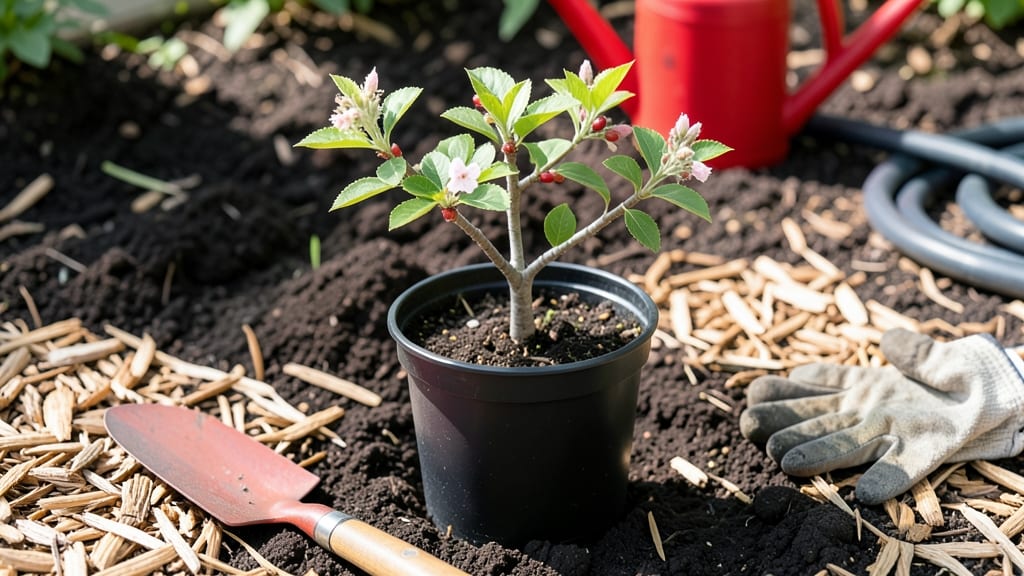
Timing your dogwood tree planting in Texas could make or break your tree's long-term health—get it wrong, and you might end up with a struggling 🌳 that never reaches its full potential.
Texas' unique climate means the right window depends on where you live, from North Texas' chillier winters to South Texas' milder frost-free seasons. Whether you're planting bare-root saplings or container-grown specimens, understanding your specific chill-hour zone is the key to success.
In this guide, I'll break down exactly when to plant dogwoods in your part of Texas—whether that's late fall for North Texas or early spring for South Texas—plus the soil prep and aftercare tips that keep your tree thriving.
Skip the guesswork and learn the precise planting schedule tailored to your region, so your dogwood gets off to the strongest start possible.
Texas dogwood planting timeline by chill-hour zones (east vs. West Texas)
Texas spans three distinct chill-hour zones that dramatically impact when you should plant dogwood trees. In North Texas (Zone 7a-8a), where winters are colder, your planting window opens earlier than in South Texas (Zone 9a-10b), where mild winters allow later starts.
Even West Texas (Zone 8a-9a) has unique frost patterns that require careful timing to avoid transplant shock.
Dogwoods need 300-600 chill hours (below 45°F) to bloom properly. Native Texas dogwoods like Cornus drummondii thrive in Zone 7a-9b, but non-native varieties may struggle in West Texas' hotter microclimates.
Always verify your exact USDA zone using the USDA Plant Hardiness Zone Map—a 1-zone difference can shift your planting window by 4-6 weeks.
Here’s how Texas’ regions break down for dogwood planting:
| Region | USDA Zone | Chill Hours | Best Planting Window | First Frost Date | Last Frost Date |
|---|---|---|---|---|---|
| North Texas | 7a-8a | 600-900 hrs | November 1 - February 15 | November 15 | March 15 |
| Central Texas | 8a-8b | 400-600 hrs | November 15 - January 31 | December 1 | March 1 |
| South Texas | 9a-10b | 200-400 hrs | January 1 - March 15 | January 15 | February 15 |
| West Texas | 8a-9a | 300-500 hrs | November 15 - February 1 | November 20 | March 10 |
For example, if you’re in Austin (Zone 8a), aim to plant between November 15 and January 31. But in El Paso (Zone 8a), the earlier frost dates mean you should plant by November 15 to avoid winter stress.
Always check local frost alerts—a late freeze can kill newly planted dogwoods before they establish roots.
Pro tip: Bare-root dogwoods (sold without soil) should only be planted when the ground is workable but not frozen. In Texas, this typically means soil temps above 40°F. Use a soil thermometer to confirm—planting in cold soil can stunt root growth for 6-12 months.
Container-grown dogwoods offer more flexibility, allowing you to plant up to March 15 in North Texas or even April 1 in South Texas. However, avoid planting during peak summer heat (June-August), as the stress can reduce survival rates by up to 40%.
Native Texas dogwoods like Cornus drummondii (also called roughleaf dogwood) are better suited for West and Central Texas due to their lower chill-hour requirements.
If you’re in East Texas (Zone 8a-9a), consider Cornus florida (flowering dogwood) for its stunning spring blooms, but plant it in late fall (November-December) to ensure it gets enough chill hours.
Remember: The 30-60 days before first frost rule is your best guide. For North Texas, that’s early November; for South Texas, it’s mid-January. Planting too early risks <
Critical factors that determine the best planting window in Texas
Texas' unpredictable freeze dates and variable chill hours make timing critical for dogwood success. Unlike northern states, Texas dogwoods (Cornus drummondii and Cornus florida) need 300-600 chill hours—but too much cold can damage them.
My North Texas garden (Zone 8a) gets 500-700 chill hours, while South Texas (Zone 9a) often falls short, requiring low-chill cultivars like 'Cherokee Brave'.
Soil temperature is another game-changer. Dogwood roots thrive when soil hits 60°F or warmer. In East Texas, this happens by mid-February, but West Texas may wait until March or April.
Use a soil thermometer—planting too early in cold soil leads to root rot or stunted growth.
Rainfall patterns also dictate timing. Fall planting (October-November) in North Texas aligns with natural rainfall, reducing irrigation needs. But in drought-prone West Texas, I delay until late winter to avoid transplant shock during dry spells.
Check your local NOAA frost predictions—planting 30-60 days before first frost gives roots time to establish before cold sets in.
🌱Pro Tip: Test your soil's pH (6.0-7.0) and drainage before planting. Dogwoods hate waterlogged roots—amend heavy clay with compost or sand if needed.
⚠️ Watch Out for Late-Spring Frosts
Texas' "false springs" can fool you—temperatures may spike in March, then drop below freezing in April. If planting in South Texas, delay until mid-April to avoid flower bud damage. Use frost cloth if planting early in Zone 8b-9a.
Container-grown dogwoods offer flexibility—they can go in 2-4 weeks earlier than bare-root trees since their roots aren't disturbed. However, avoid planting during Texas' brutal summer heat (June-August).
The 100°F+ soil cooks roots, and evaporation stress stunts growth. If you must plant in summer, shade the root ball with burlap and water daily.
Finally, native Texas dogwoods (Cornus drummondii) adapt better to low-chill zones than southern dogwoods (Cornus florida). If you're in Zone 9a-10b, stick to native varieties—they bloom earlier and handle heat stress better.
For North Texas, Cornus florida cultivars like 'Rubra' thrive with 600+ chill hours.
☀️Key Takeaway: Balance chill hours, soil warmth, and frost risk—your dogwood's first 3 years depend on it!