
Plants
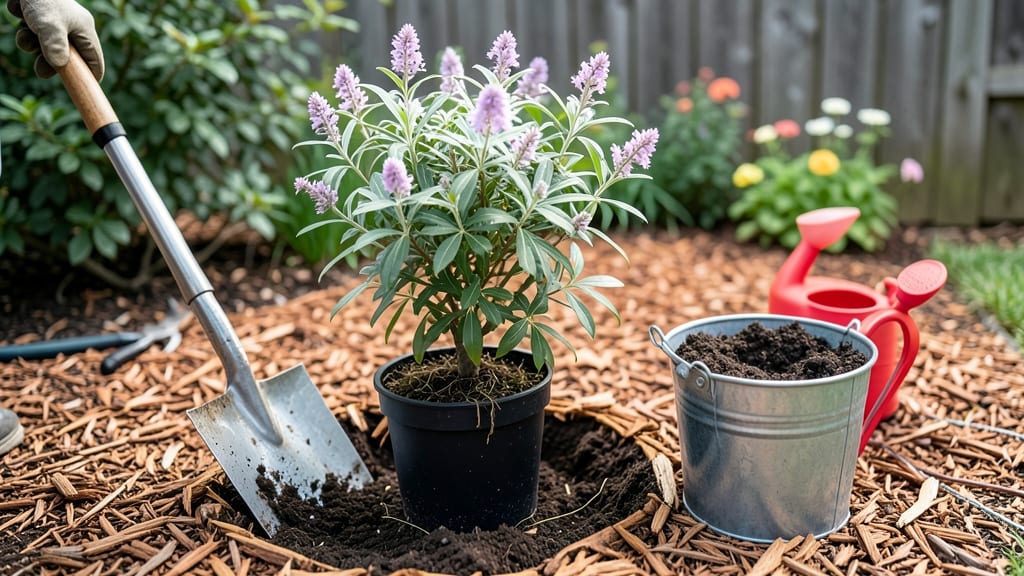
Planting a tree in Texas at the wrong time can mean struggling with extreme heat, drought, or even failed root establishment—so timing is everything for long-term success.
The 8a-10a zones across the Lone Star State demand careful planning, but when you get it right, your 🌳 thrives with fast root growth and minimal stress.
Most Texas gardeners swear by late fall or early spring as the sweet spot—think October-November or February-March—when temperatures are mild and rainfall is more reliable.
This window gives young roots time to establish before the brutal summer heat kicks in, setting your tree up for decades of shade and beauty.
But here's the catch: not all trees are created equal in Texas's varied climate. Some varieties, like the tough Live Oak or drought-resistant Mexican Sycamore, handle the heat better than others.
I’ll break down which species discover the best for your specific region and how to prep your soil for maximum survival.
Ready to plant with confidence? Let’s dive into the exact months, regional tricks, and care tips that’ll help your tree take root faster—no guesswork required.
Texas heat-zone planting calendar: best months by region for tree survival
Texas spans 11 USDA hardiness zones from 8a to 10a, meaning frost dates and heat intensity vary dramatically. In North Texas (zones 7b-8a), you'll face later last frosts (mid-February), while South Texas (zones 9a-10a) rarely sees frost at all.
This regional diversity means your planting window must align with your specific zone to ensure root establishment before summer's brutal heat.
For fastest root growth, focus on two ideal windows: late fall (October-November) and early spring (February-March).
Fall planting gives roots time to establish before summer drought, while spring planting avoids winter stress. Never plant in peak summer (May-September)—young trees can't handle Texas' 100°F+ temperatures and risk transplant shock.
Here's how to match your Texas zone with the perfect planting month for tree survival and thriving:
| USDA Zone | Best Planting Months | Last Frost Date | Key Consideration |
|---|---|---|---|
| 8a (North Texas) | October-November, February-March | Mid-February | Avoid spring planting after last frost—summer heat arrives fast |
| 8b-9a (Central Texas) | October, February-March | Late January | Fall planting critical—summer droughts are severe |
| 9b-10a (South Texas) | October-November | None (rare light frost) | Plant before summer monsoons—avoid waterlogged soil |
In North Texas (zones 7b-8a), aim for October planting to give roots 3-4 months to establish before summer.
If you must plant in spring, February is your last chance—after that, the heat arrives too quickly. Central Texas (8b-9a) gardeners should prioritize fall planting in October, as summer droughts can kill young trees before they establish.
For South Texas (9b-10a), focus solely on October-November. The region's humid summers and occasional tropical storms make spring planting risky. Bare-root trees planted in fall have a 70% higher survival rate than those planted in summer, according to Texas A&M AgriLife research.
Pro tip: Container-grown trees can be planted year-round in South Texas, but bare-root trees still perform best in fall. If you're in zone 10a, November is your ideal month—it's cool enough for root growth but avoids the worst summer heat.
Always check your local microclimate. Urban areas like Dallas or Houston can be 5-10°F warmer than rural zones, delaying frost dates. Use the Texas A&M AgriLife Extension Planting Calendar for your specific county to fine-tune timing.
Remember: Root establishment is your #1 priority. A tree planted in the right month with proper watering and mulching will outpace one planted at the wrong time by 2-3 years in maturity.
Critical factors that determine tree planting success in Texas heat
Texas' triple-digit heat and variable rainfall make planting trees a high-stakes game of timing and preparation. Beyond just picking the right month, factors like soil moisture, species heat tolerance, and site preparation can mean the difference between a thriving tree and a sad, wilted sapling.
Let’s break down what truly matters for success in our state’s brutal climate.
First, soil moisture is non-negotiable. Texas soil often dries out quickly, especially in USDA zones 8b-10a. Planting during fall or early spring ensures roots establish before the scorching summer months. Even drought-resistant trees need consistent moisture for their first 12-18 months to avoid transplant shock.
Next, species selection is critical. Not all trees handle Texas heat equally. For example, Live Oaks and Pecan trees thrive in our climate, while maples or dogwoods may struggle without extra care. Always choose native or adapted species—they’ve evolved to handle our extremes.
Here’s where many gardeners trip up: site preparation. A poorly chosen spot can doom even the hardiest tree. Avoid low-lying areas where water pools, and steer clear of paved surfaces or concrete that radiate heat.
Instead, opt for south-facing locations with well-draining soil and a 3-foot mulch ring to retain moisture.
✅ DO: Maximize Tree Success in Texas
- 🌱 Test soil moisture before planting—aim for 6-8 inches deep and moist but not soggy.
- ☀️ Choose heat-tolerant species like Mexican Sycamore or Texas Redbud for your microclimate.
- ✂️ Prune strategically to reduce water loss—remove dead or dense branches before summer.
- 💧 Water deeply at dawn to minimize evaporation and fungal risks.
❌ DON’T: Common Mistakes to Avoid
- 🚫 Plant in peak summer—roots can’t establish in 100°F+ soil.
- 🚫 Ignore mulch—skipping it leads to rapid soil evaporation and heat stress.
- 🚫 Over-fertilize—young trees need balanced nutrients, not a heavy dose.
- 🚫 Plant too deep—root flare should be visible above soil to prevent suffocation.
Another often-overlooked factor is rainfall timing. Texas experiences unpredictable droughts, so relying solely on natural rain is risky. Even after planting, supplement with weekly deep watering during the first year.
Use a soaker hose or drip irrigation to deliver water directly to the roots without wasting it on evaporation.
Finally, monitor your tree’s stress signals. Wilting leaves, yellowing foliage, or cracked bark are red flags. Adjust your watering schedule or check for pests like sapsuckers or bark beetles, which thrive in stressed trees.
With the right prep, your tree will beat the Texas heat and grow strong for decades.