
Plants
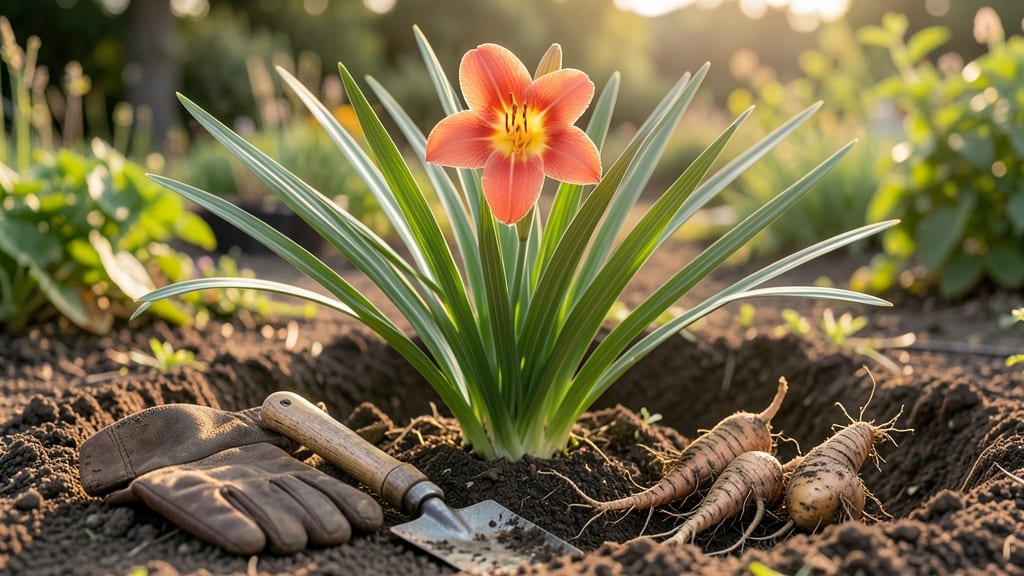
Timing your daylily 🌸 planting in Georgia isn’t just about following a calendar—it’s about reading the soil’s secret signals to avoid those frustrating early bolts that turn your garden into a leafy mess instead of a blooming showstopper.
Here’s the truth: Georgia’s 7b-8b zones demand patience—planting too early, when soil temps still hover below 55°F, triggers rapid growth that flops in summer heat. But get it right, and you’ll enjoy perennial daylilies that thrive for years with minimal fuss.
Whether you’re in the Piedmont’s rolling hills or coastal areas with milder winters, I’ll break down the exact March-April and September-October windows that work best for your microclimate—plus how to prep soil for foolproof root establishment.
Ready to skip the guesswork? Let’s dive into the science behind soil warmth triggers and regional tweaks that’ll keep your daylilies blooming like clockwork—no bolting, no stress, just vibrant color from spring to fall.
Georgia’s ideal daylily planting window by soil temperature (not calendar date)
Daylilies thrive in Georgia’s climate, but soil temperature—not just calendar dates—determines the perfect planting window. Unlike cool-season crops, these hardy perennials need consistently warm soil (55°F+) to establish strong roots before summer’s heat arrives.
Planting too early risks bolting (rapid, leggy growth) or frost damage, while waiting too long can stunt early blooms.
Georgia’s USDA Zones 7b-8b offer flexibility, but microclimates—like coastal Savannah’s mild winters or the Piedmont’s cooler springs—shift ideal timing. The key? Monitor soil warmth with a soil thermometer or follow local frost-free averages.
Most gardeners aim for late February to early April, but fall planting (September-October) also works for established rhizomes.
Daylilies are perennials in Georgia, meaning they return yearly if planted correctly. Their rhizomes (thick roots) store energy, but cold soil slows growth. For zero bolting risk, wait until the ground feels warm to the touch—about 2-3 weeks after your last frost date.
Coastal areas can plant 2-3 weeks earlier than Piedmont regions due to milder winters.
Here’s the science: Daylilies bolt when stressed by temperature swings or overcrowded roots. Warm soil (55°F+) signals roots to grow aggressively, while cold soil triggers survival mode—producing foliage instead of flowers. Use mulch (straw or pine needles) to regulate soil temps after planting and retain moisture.
Pro tip: Test your soil’s warmth by pressing your hand into the ground—if it feels cool to your wrist, wait another week. In North Georgia’s higher elevations (Zone 7b), aim for mid-April, while South Georgia (Zone 8b) gardeners can start as early as late February.
Coastal areas like Savannah often see earlier soil warming due to maritime influence.
Daylilies also tolerate container planting in Georgia, giving you control over soil warmth. Use pots with drainage holes and plant rhizomes shallowly (1-2 inches deep). Containers warm up faster than in-ground beds, extending your planting window by 2-4 weeks.
Just ensure pots stay above 50°F at night to prevent root shock.
For maximum blooms, pair planting with a balanced fertilizer (10-10-10) applied 4-6 weeks after soil warming. This jumpstarts root and foliage growth, setting the stage for summer flowers. Avoid heavy nitrogen—it promotes leafy growth over blooms. Instead, focus on phosphorus and potassium for robust rhizomes.
🌱 Key takeaway: Georgia’s daylily success hinges on soil temperature, not just dates. Use a thermometer, monitor microclimates, and mulch to create ideal conditions. With the right timing, your daylilies will reward you with vibrant blooms for a decade or more—with minimal maintenance.
| Factor | Georgia-Specific Guidance | Why It Matters |
|---|---|---|
| Soil Temperature | 55°F+ consistently (late Feb–early Apr) | Triggers root growth; cold soil causes bolting |
| Last Frost Date | Coastal: Feb 28 | Piedmont: Mar 15 | Mountain: Apr 1 | Avoids frost damage to tender shoots |
| Planting Depth | Rhizomes 1–2 inches deep | Prevents rot; encourages upward growth |
| Spacing | 12–18 inches apart | Reduces competition; improves airflow |
| Mulch Type | Straw or pine needles (2–3 inches) | Regulates soil temp; retains moisture |
| Fertilizer Timing | 4–6 weeks after planting (10-10-10) | Boosts root and bloom development |
Georgia’s humid summers can stress daylilies if planted too late, but the right timing ensures they outperform weeds in your garden.
For example, ‘Stella de Oro’ (a compact cultivar) thrives when planted in early March across most of the state, while taller varieties like ‘Happy Returns’ benefit from late April planting to avoid flopping in heat.
If you’re in Zone 7b (North Georgia), prioritize soil warmth over calendar dates. Use a clear plastic mulch to warm beds faster if needed—this can shave 1-2 weeks off your planting timeline.
In Zone 8b (South Georgia), you might even see February plantings succeed in sheltered microclimates, like near south-facing fences.
🌿 Remember: Daylilies are perennials with staying power. A well-timed planting in Georgia’s <
Georgia’s ideal daylily planting window by soil temperature (not calendar date)
Daylilies thrive when planted in 55°F+ soil, not just after the last frost. In Georgia, this means waiting for late March to early April in most regions—earlier in coastal areas and later in the mountains.
The key is avoiding bolting, where daylilies send up rapid seed stalks instead of blooming properly.
Georgia’s USDA Zones 7b-8b create microclimates where soil warms unevenly. Coastal areas (like Savannah) may hit 55°F soil by mid-February, while North Georgia mountains (like Blue Ridge) often wait until mid-April. Always check soil temps with a soil thermometer before planting.
| Region | Soil Temp Trigger | Planting Window | Risk if Planted Early |
|---|---|---|---|
| Coastal (Savannah, Brunswick) | 55°F by mid-February | Late February–March | Bolting, fungal rot |
| Piedmont (Atlanta, Macon) | 55°F by late March | March–early April | Slow growth, weak roots |
| North (Dahlonega, Blairsville) | 55°F by mid-April | April–May | Frost damage, stunted blooms |
For fall planting, aim for September–early October when soil temps drop below 70°F. This gives rhizomes time to root before winter dormancy. Avoid planting in late October, as cooler soils slow establishment and increase frost vulnerability.
Use black plastic mulch or straw mulch to warm soil faster in early spring. This trick can shave 2–3 weeks off your planting timeline, especially in cooler Piedmont and mountain regions. Just remove mulch after planting to prevent overheating.
If you’re unsure about soil temps, opt for container planting. Pots warm up faster and let you move daylilies to ground beds once soil is ready. This is my go-to method for late-starting gardeners in North Georgia.
Pro tip: Daylilies are perennials in Georgia, meaning they’ll return year after year if planted correctly. Get the timing right now, and you’ll enjoy low-maintenance blooms for decades with minimal effort.