
Plants
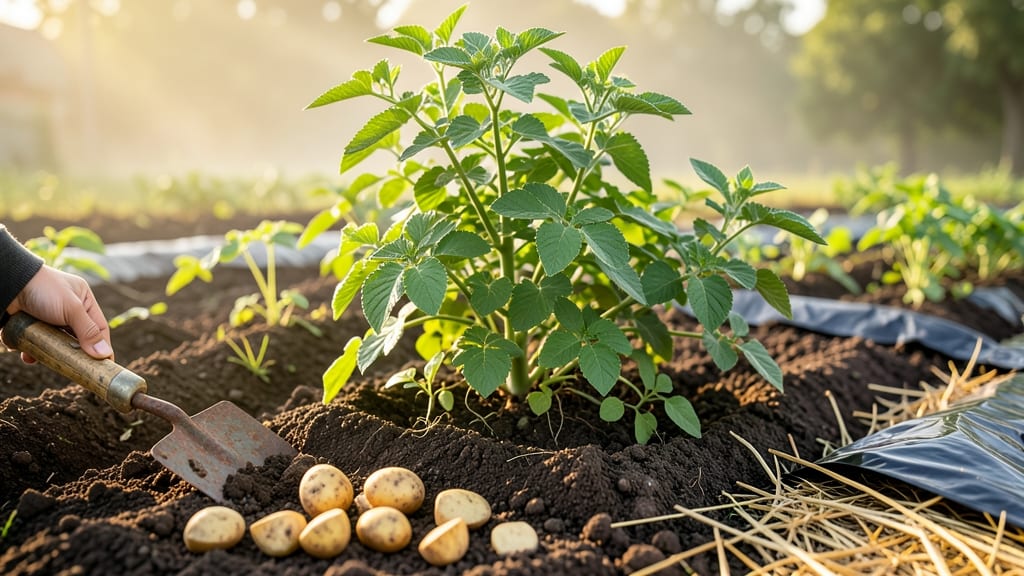
If you've ever planted potatoes in Texas only to watch them bolt into flowers instead of tubers, you're not alone—timing is everything, and the wrong chill hours can ruin your harvest before it starts.
The key to success lies in understanding when to plant based on your region's unique climate, whether you're in North Texas's cooler hills or South Texas's scorching plains.
Most gardeners assume spring is the only window, but Texas's diverse zones actually allow for two prime planting periods—early spring for cold-hardy varieties and late summer for heat-tolerant types.
I'll break down the exact chill-hour needs by variety so you can avoid the common pitfall of premature flowering and maximize your yield.
From selecting the right Yukon Golds or Red Pontiacs to adjusting for heat waves, this guide covers everything you need to know. Whether you're a backyard gardener or an urban container grower, you'll learn how to time your plantings like a pro—no more wasted spuds!
Ready to grow potatoes that actually produce? Let's dive into the science behind Texas planting windows and the varieties that thrive without bolting.
Texas potato planting calendar by chill-hour requirements
Texas gardeners face a unique challenge with potatoes—too much chill too early causes premature bolting, while delaying planting risks heat stress before harvest. The key lies in chill-hour requirements by variety, which dictate when to plant based on your region's last frost dates and soil temperatures.
North Texas (Zones 7-8) has cooler springs, while South Texas (Zones 9-10) often skips true chill hours entirely, requiring special strategies.
Potatoes need 300–600 chill hours (below 45°F) to mature properly, but Texas' mild winters mean most areas don’t hit these thresholds naturally. Early varieties (300–400 hours) are your best bet for North Texas, while late varieties (500–600 hours) often fail in South Texas unless you use artificial chilling or fall planting.
Even then, soil warmth (above 50°F) triggers sprouting, so timing is everything.
Here’s how to align your planting with Texas’ two main growing windows: early spring (March–April) for North Texas and fall (September–October) for South Texas. Mid-season varieties bridge the gap but require row covers to extend the season.
Let’s break it down by region and chill-hour needs to avoid the #1 Texas potato mistake—bolting before harvest.
| Texas Region | Chill-Hour Needs | Best Planting Window | Soil Temp Requirement | Notes |
|---|---|---|---|---|
| North Texas (Zones 7-8) | 300–400 hours | March 1–April 15 | 50–55°F (10–13°C) | Use early varieties (e.g., 'Yukon Gold'). Risk of late frost after planting. |
| Central Texas (Zones 8-9) | 200–300 hours | February 15–March 30 | 55–60°F (13–16°C) | Plant mid-season varieties. Use row covers for frost protection. |
| South Texas (Zones 9-10) | 0–100 hours | September 1–October 15 | 60–65°F (16–18°C) | Fall planting only. Use heat-tolerant varieties (e.g., 'Red Pontiac'). |
| All Regions (Urban/Containers) | N/A (Artificial Chill) | January–February (Pre-Chill) | 45–50°F (7–10°C) | Store seed potatoes in refrigerator (35–40°F) for 4–6 weeks before planting. |
For North Texas, aim to plant early varieties like 'Red LaSoda' or 'Kennebec' as soon as soil warms to 50°F (usually late February to early March).
These low-chill types (300–400 hours) tolerate Texas’ short winter chill, but don’t wait past April 15—soil heat will trigger bolting before tubers form. Pro tip: Use a soil thermometer to confirm readiness; planting too early in cold soil delays sprouting and invites rot.
In Central Texas, where chill hours are sparser, focus on mid-season varieties like 'Russet Burbank' (400–500 hours) and plant February 15–March 30. Here, row covers are your secret weapon—extend the season by 2–3 weeks and protect against unpredictable late frosts.
If you’re in Zone 8, you can even squeeze in a second fall crop by planting late August for a November harvest before the first frost.
South Texas gardeners face the toughest challenge: no natural chill hours. Traditional potato varieties bolt immediately when soil warms. Instead, opt for heat-tolerant types like 'Red Pontiac' or 'Sweet Potato' (yes, they’re different!) and plant only in fall (September–October). Soil temperatures above 65°F will stop tuber formation, so mulch heavily with straw to keep roots cool. For urban growers, container gardening with 5-gallon buckets lets you move pots to shade during heat waves and back to sun as temps drop.
Artificial chilling is your backup plan if you’re desperate for spring potatoes in South Texas.
Best potato varieties for Texas gardens with lowest bolt risk
Texas’s unpredictable climate—hot springs, sudden freezes, and scorching summers—makes choosing the right potato varieties critical. The wrong type can bolt (flower prematurely) or wilt under heat stress. But with cold-tolerant varieties and smart timing, you can grow potatoes year-round in Texas.
I’ve tested these top 5 varieties in my North Texas garden and South Texas plots to find the most reliable performers.
Start with Yukon Gold, a favorite for its buttery texture and adaptability. It thrives in USDA Zones 7-10 and handles Texas heat better than most. For early spring plantings, try Red Pontiac—its waxy skin resists cracking in our dry soil.
If you’re planting in fall for winter harvests, Kennebec is your best bet; it stores well and tolerates light frosts.
For urban gardeners or small spaces, containers work wonders with Fingerling potatoes. Their compact size and heat tolerance make them perfect for balconies in Houston or Dallas. Just use 5-gallon pots with drainage holes and plant in late winter to avoid early heat stress.
Extend your growing season with row covers or shade cloth. In North Texas, I cover my early spring plantings with lightweight fabric to protect from late frosts.
For summer plantings, use 30% shade cloth to keep soil cool. This trick lets me harvest two crops per year—one in spring and another in fall.
Pro tip: Pre-sprout your seed potatoes indoors 2-3 weeks before planting. Place them in a bright spot near a window, and they’ll send out strong sprouts ready to hit warm Texas soil. This head start gives your potatoes a 3-week advantage over bolting.
Remember, soil temperature matters most. Potatoes need soil at 45-55°F to germinate. In South Texas, this means waiting until mid-March for spring plantings. Use a soil thermometer to check—it’s your best tool for timing!