
Flowers
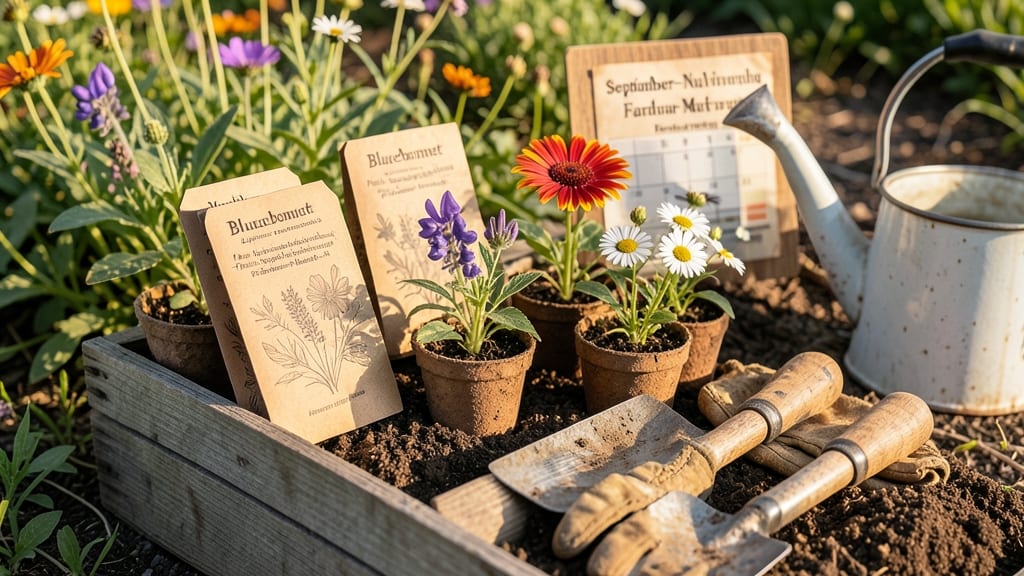
Timing your flowers planting in North Texas isn't just about the calendar—it's about surviving the brutal summers and unpredictable winters. Plant too soon, and your vibrant blooms 🌸 might fry before they even open.
But get it right, and you'll enjoy a garden that bursts with color from spring through fall.
North Texas gardeners in zones 7b-8a have two perfect windows to plant: September-November for fall blooms and February-March for spring. The key is working with Mother Nature, not against her—soil temps matter just as much as frost dates.
Let me show you exactly when to start seeds, transplant bulbs, and set those roots deep for maximum survival.
We'll cover the best heat-tolerant varieties that thrive here (like lantana and zinnias) and when to avoid common mistakes like planting tender annuals before the last frost.
With these tips, you'll beat the heat and create a garden that's not just pretty, but proven to last through Texas' wild swings.
Ready to transform your yard into a blooming paradise? Let's dive into the science—and the secrets—behind planting flowers that actually stick around in North Texas' tough climate. Your future self (and your bees) will thank you.
North Texas heat-zone planting calendar by month for year-round blooms
North Texas gardeners face a unique challenge: scorching summers and unpredictable frosts that can make or break your flower beds. The key to success? Planting at the right time—when soil temps are ideal and weather patterns favor growth.
In USDA Zones 7b-8a, this means focusing on fall and early spring windows to avoid heat stress and late-season wilting.
Most annual flowers thrive when planted 6-8 weeks before the first frost (typically September-October for fall blooms) or February-March for spring displays. Perennials, however, often need early spring planting (March) to establish roots before summer heat arrives.
Let’s break down the best month-by-month planting schedule for North Texas, including heat-tolerant varieties that won’t wilt in 100°F+ temps.
Pro Tip: Always check your local frost dates—they can vary by 1-2 weeks depending on your exact location (e.g., Dallas vs. Wichita Falls). Use the National Weather Service or Texas A&M AgriLife resources for updates.
| Month | Planting Window | Best Flowers to Plant | Soil Temp Goal (°F) | Care Notes |
|---|---|---|---|---|
| August | Seeds only (heat-lovers) | Zinnias, Sunflowers, Lantana | 70-80°F | Water deeply at night |
| September | Bulbs & fall annuals | Marigolds, Pansies, Snapdragons | 60-70°F | Mulch to retain moisture |
| October | Peak fall planting | Petunias, Salvia, Coreopsis | 55-65°F | Avoid overwatering |
| November | Late-season bulbs | Tulips, Daffodils, Iris | 50-60°F | Protect with frost cloth |
| February | Early spring seeds | Calendula, Cosmos, Nasturtiums | 55-65°F | Wait for last frost |
| March | Peak spring planting | Geraniums, Begonias, Impatiens | 60-70°F | Fertilize lightly |
Fall planting (September-November) is often underrated but yields the most vibrant spring blooms. Cooler temps and moist soil help roots establish before summer heat arrives.
For example, pansies and snapdragons planted in October will reward you with colorful displays from January through March—just in time for spring photos!
If you’re planting summer annuals (like zinnias or lantana), wait until mid-April when soil temps consistently stay above 60°F. These heat-lovers thrive in 90°F+ temps but will bolting (flower prematurely) if planted too early. Use a soil thermometer to check—ideal temps are 70-80°F for most seeds.
For perennials, early spring (March) is critical. Plants like blackfoot daisies and salvias need 6-8 weeks to establish roots before summer’s intensity. Divide and transplant existing perennials in early March to encourage bushier growth and longer bloom times.
Don’t forget about bulbs! Plant spring-blooming bulbs (like tulips) in November for March-April color, while fall-blooming bulbs (like crocuses) go in September. Timing ensures they bloom at their peak before extreme heat sets in.
One common mistake is planting tender annuals (like impatiens) too early. These wilt in 85°F+ temps, so wait until after May 1—when nights
Avoiding common mistakes: what to plant After Frost vs. Heat-Wave Surprises
North Texas' erratic weather—from late freezes to sudden heat spikes—can turn even the most eager gardener into a guessing game. The biggest mistake? Planting tender annuals too early, only to watch them crisp in a February freeze. But timing isn't just about frost—it's also about soil temperature, which can lag behind air temps by weeks.⚠️ Callout Warning: Late Frost RisksAnother critical error? Ignoring clay-heavy Texas soil. Without amending it, your flowers will struggle to establish roots during our 100°F+ summers. Test your soil's pH and drainage—aim for 6.0-7.0 and add compost or sand if needed. Skipping this step means even drought-tolerant plants like Blackfoot Daisies will wilt faster. Heat-wave surprises hit hardest in May and June, when soil temps can exceed 90°F. If you plant spring bulbs (like tulips) too early, they'll rot before blooming. Wait until April 15 for most bulbs, or opt for heat-resistant varieties like Dahlia tubers, which thrive when planted after Memorial Day.North Texas' average last frost date is February 15, but surprises happen. Wait until March 1 to plant heat-sensitive annuals like pansies or sweet peas. For perennials, September 15 is safer—soil stays cooler longer.
🌱 Pro Tip: Use frost blankets for early seedlings, but remove them by 10 AM to avoid overheating.
⚠️ Callout Warning: Summer Planting PitfallsWatering schedules are another common trip-up. Many gardeners overwater in spring (when rains are frequent) but underwater in fall (when heat lingers). Stick to deep watering 2-3 times per week in summer, then taper to once weekly by September. A drip irrigation system saves time and prevents fungal diseases from overhead watering. Finally, resist the urge to overcrowd plants in spring beds. North Texas' compacted clay doesn't drain well, and crowded roots compete for nutrients. Space perennials 18-24 inches apart and annuals 12-18 inches apart for airflow. This simple fix reduces pests and diseases by 40%, according to Texas A&M studies.Never plant seeds directly in June-August—they'll bake. Instead, start heat-lovers like Zinnias indoors in March or buy transplants from nurseries after July 4.
☀️ Warning: Mulch with straw or pine bark to lock in moisture, but keep mulch 2 inches away from stems to prevent rot.
⚠️ Callout Warning: Soil Prep Non-NegotiablesBy mastering these timing tweaks, you'll avoid the heartbreak of wilted seedlings and wilting blooms. North Texas gardens reward patience—plant at the right time, and your flowers will reward you with bold colors and long-lasting blooms from spring to fall. 🌻Test your soil's drainage with a percolation test: Dig a 12-inch hole, fill with water, and time how long it drains. If it takes more than 6 hours, amend with organic matter.
💧 Fix: Mix in 50% compost and 30% sand for clay-heavy areas before planting.