
How To
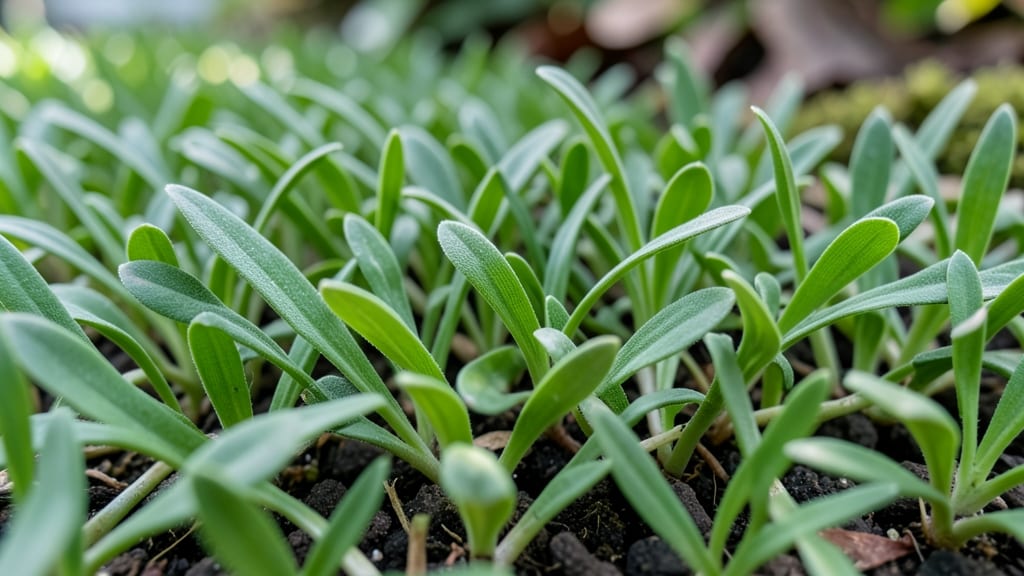
If you're dreaming of a lush, low-maintenance lawn in Georgia, planting centipede grass at the right time is the game-changer you need. This heat-loving grass thrives when soil temperatures climb above 60°F, making late spring the perfect window for fast, resilient growth.
Georgia’s 7b-8b climate zones mean you’ve got roughly April through June to get your centipede grass 🌱 established before summer’s intense heat arrives. Plant too early, and cool soil slows germination; wait too long, and you risk stressing young plants in peak heat.
I’ll walk you through exactly how to time your planting—whether you’re in North Georgia’s cooler hills or the South’s steaming lowlands—plus soil prep tricks to ensure your grass takes off in just weeks. No more guesswork, just a thick, green lawn that handles Georgia’s summers with ease.
Ready to skip the trial-and-error? Let’s dive into the fastest, most reliable way to plant centipede grass so your lawn becomes the envy of your neighborhood before summer’s end.
Ideal planting windows for centipede grass in Georgia’s climate zones
Georgia’s diverse climate means North Georgia’s cooler springs and South Georgia’s earlier heat create different planting windows for centipede grass. In USDA Zones 7b-8b, timing hinges on two critical factors: soil temperature (must reach 70°F+) and last frost dates.
Planting too early risks stunted growth, while waiting too long may stress seedlings in summer’s peak heat.
For North Georgia (Athens, Dahlonega), aim for late April to early May when soil warms consistently. The last frost typically occurs around March 15, but wait 4-6 weeks post-frost to ensure stable temperatures.
In contrast, South Georgia (Savannah, Macon) can start as early as mid-April, thanks to warmer microclimates and earlier frost-free periods.
Here’s how to verify your soil is ready: Use a soil thermometer to check depth (2 inches). If temperatures hover above 70°F for 3+ days, it’s go-time. Pro tip: Morning soil temps are most reliable—avoid midday spikes that can mislead you.
If you’re torn between early spring vs. late spring planting, late spring wins for centipede grass. Early attempts often fail because cool soils slow germination, leaving grass vulnerable to fungal diseases or weed competition. Late spring (May-June) aligns with centipede’s natural growth cycle, yielding faster establishment.
| Region | Ideal Planting Window | Soil Temp Threshold | Key Consideration |
|---|---|---|---|
| North Georgia (Athens, Dahlonega) | Late April–Early May | 70°F+ (2+ weeks) | Wait for consistent warmth to avoid fungal risk |
| Central Georgia (Macon, Columbus) | Mid-April–Late May | 68°F+ (10+ days) | Transition zone—balance speed and soil warmth |
| South Georgia (Savannah, Albany) | Mid-April–June | 65°F+ (7+ days) | Earlier start due to warmer microclimates |
Microclimates play a huge role in Georgia. For example, urban areas like Atlanta may experience 5–10°F warmer soil temps than rural zones, allowing earlier planting. Conversely, valley regions (e.g., near Blue Ridge Mountains) stay cooler longer—delay planting until mid-May to avoid cold snaps.
Missed the ideal window? Don’t panic. Centipede grass can still be planted in early summer (July), but expect slower initial growth. Prioritize deep watering and shade protection (e.g., temporary row covers) to mitigate heat stress.
Avoid planting in August or later, as daytime temps often exceed 90°F, stalling germination.
For seed vs. sod, timing shifts slightly. Seeds need the longer window (late spring) to establish roots, while sod thrives with early summer planting (June) due to its instant root system. Choose sod if you’re planting in July-August—it recovers faster from heat stress than seeds.
Pro tip: Mark your calendar for June 15, the peak window for centipede grass in most of Georgia. This aligns with summer solstice, ensuring 12+ hours of daylight to fuel rapid growth. Pair this with morning watering (before 10 AM) to maximize moisture absorption.
Remember: Centipede grass thrives on patience. Rushing the process—like planting in March or October—often leads to thin, patchy lawns. Stick to the 70°F soil rule, and you’ll reward yourself with a low-maintenance, drought-resistant lawn by late summer.
How to prepare soil and seed for fast centipede grass establishment
Once you’ve nailed down the perfect planting window, preparing your soil and seed correctly ensures your centipede grass takes off in weeks—not months. Start by testing your soil pH, which should fall between 5.0 and 6.0 for optimal growth.
Centipede grass thrives in acidic soil, so if your pH is higher, add sulfur or peat moss to adjust it before planting.
Next, focus on soil texture. Centipede grass prefers well-draining, sandy loam, so mix in compost or organic matter if your soil feels clay-heavy. Avoid heavy amendments like fresh manure—they can burn young roots.
A simple dig-and-fluff approach works best: loosen the top 4–6 inches of soil to create a seed-friendly bed.
Here’s where many gardeners go wrong: over-fertilizing before planting. Centipede grass is low-maintenance and doesn’t need heavy nitrogen upfront. Instead, use a balanced 10-10-10 fertilizer at half-strength during soil prep. Apply it lightly, then water deeply to help nutrients settle into the root zone.
Planting centipede grass in cool, wet soil invites fungal diseases like brown patch. Overwatering seeds can cause them to rot before sprouting. And planting too shallow (less than ¼ inch deep) leaves seeds exposed to birds and drought. Follow these steps to steer clear of these pitfalls:
- ✅ Use a soil thermometer to confirm temps are 70°F+ at planting depth.
- ✅ Water lightly after planting—just enough to moisten soil, not drench it.
- ✅ Cover seeds with ¼ inch of soil and a thin layer of straw mulch to retain moisture.
For seed preparation, choose a high-quality centipede grass seed mix labeled for Georgia’s climate. If you’re planting in shady areas (e.g., under trees), opt for a shade-tolerant variety like ‘TifBlair’—it handles 30–50% shade better than standard types.
Before sowing, soak the seeds in lukewarm water for 24 hours to kickstart germination.
When it’s time to sow, use a broadcast spreader for even coverage, aiming for 10–12 seeds per square foot. Lightly rake the soil to ensure good seed-to-soil contact, then apply a thin layer of mulch (like pine straw) to lock in moisture and suppress weeds.
Water gently with a fine mist to avoid displacing seeds.
After planting, consistency is key. Keep the soil evenly moist (not soggy) for the first 4–6 weeks—this is when roots establish. Once sprouts appear (usually in 10–14 days), switch to deep, infrequent watering (1–1.5 inches per week) to encourage deep root growth.
Avoid walking on the lawn until the grass reaches 3–4 inches tall to prevent damage.
Pro tip: If you’re planting in full sun, water early in the morning to reduce evaporation. For shady spots, water in the late afternoon to give roots time to absorb moisture before evening cools down.
With the right prep, your centipede grass will thicken into a lush lawn by late summer—ready to handle Georgia’s heat with ease.