
Plants
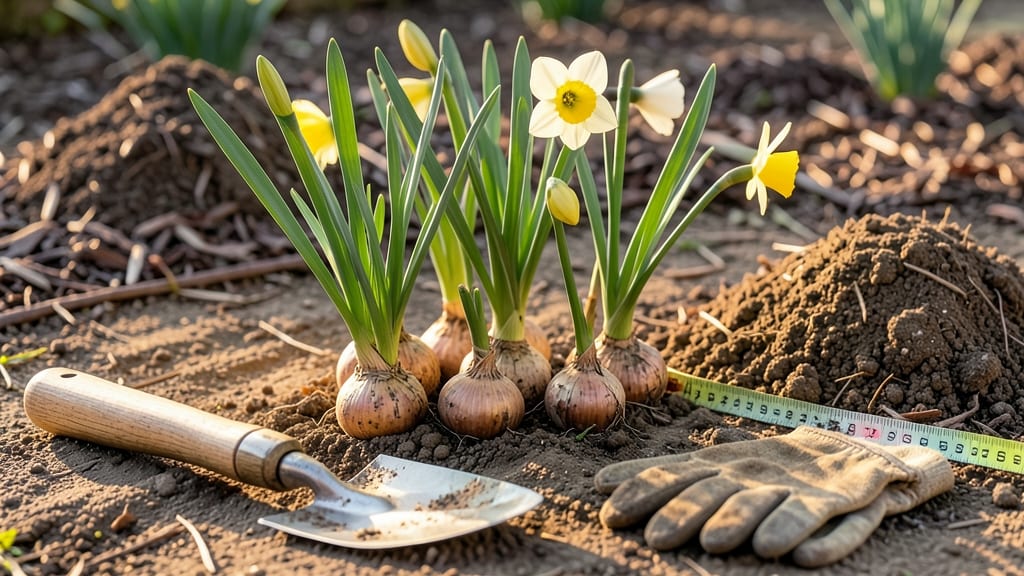
Planting daffodils in Oklahoma isn't just about grabbing bulbs and digging holes—it's about matching their chill-hour needs to your local frost dates. Skip the guesswork by planting when soil temps drop to 50°F, typically between late October and November, to ensure those bright 🌼 blooms arrive before summer's heat.
Oklahoma's 6a-7b zones mean your timing matters more than you think. Plant too early, and bulbs might rot; too late, and they won’t get enough winter chill to bloom.
I’ll show you exactly when to plant in Oklahoma City, Tulsa, and beyond—plus how to adjust for microclimates like urban heat islands or windy plains.
Most gardeners in Oklahoma swear by fall planting, but there’s a science to it. We’ll break down how chill-hours work in your area and when to prep your soil for maximum success. No more waiting until spring to realize your daffodils missed their window!
Ready to transform your yard into a springtime spectacle? Let’s dive into the perfect planting calendar for Oklahoma’s unpredictable winters—so you can enjoy those cheerful 🌼 blooms year after year without the stress.
Oklahoma daffodil planting calendar by chill-hours (zones 6b-8a)
Daffodils thrive in Oklahoma’s 6b-8a zones, but their chill-hour requirements (300-600 hours below 45°F) dictate precise planting windows. Most Oklahoma varieties need 400-500 chill-hours—so timing your fall planting ensures they bloom before summer’s heat. Here’s your zone-specific guide to avoid frost damage or delayed blooms.
For Oklahoma City (Zone 7a), aim for mid-October to early November—when soil temps drop to 50-60°F but before hard frosts hit. In Tulsa (Zone 7b), extend your window to late October due to slightly warmer microclimates.
Southern Oklahoma (Zone 8a) can plant as late as early December—just ensure bulbs get 6 weeks of chill before spring.
⚠️ CRITICAL: Plant too early (like September), and bulbs may sprout prematurely—risking frost damage. Too late (January), and they won’t get enough chill-hours to bloom. Use the table below to match your zone’s average frost dates and chill-hour accumulation.
🌱 Pro Tip: Test soil temps with a soil thermometer—plant when it hits 50°F at 6-inch depth. Oklahoma’s urban heat islands (like downtown OKC) can delay chill accumulation by 1-2 weeks compared to rural areas.
| Zone | Ideal Planting Window | Avg. Chill-Hours by Jan 1 | Last Frost Date | Notes |
|---|---|---|---|---|
| 6b (NW OK) | Mid-October | 500-600 hours | April 10 | Earliest blooms; risk of late frost |
| 7a (OKC, Lawton) | Oct 15 - Nov 1 | 400-500 hours | April 15 | Standard window; urban areas plant later |
| 7b (Tulsa, OKC suburbs) | Late Oct - Nov 10 | 350-450 hours | April 20 | Warmer microclimates; extend window |
| 8a (SE OK, Ardmore) | Nov 1 - Dec 1 | 300-400 hours | April 25 | Latest window; mild winters |
🌼 Chill-Hour Tip: Use a refrigerator chilling trick for late plantings—store bulbs in a paper bag in your fridge’s crisp drawer (35-40°F) for 8-10 weeks before planting.
Oklahoma’s elevational shifts (like the Ouachita Mountains) can add 100+ extra chill-hours—plant 2-3 weeks earlier in these areas. Conversely, low-lying plains near Lake Texoma may need a 1-week later start due to milder winters.
Always check your local USDA zone map and adjust by 7-10 days if you’re near urban heat pockets.
For container gardening in Oklahoma, plant daffodils in October-November too—but use larger pots (12"+ deep) to accommodate root growth. Place containers in sheltered spots (like against a north-facing wall) to protect from winter windburn.
Remember, potted bulbs need consistent moisture and may bloom 2 weeks later than in-ground plants.
💡 Light Bulb Moment: If you’re in Zone 7a or warmer and want early spring blooms, try ‘February Gold’ or ‘Ice Follies’ varieties—they tolerate fewer chill
How to adjust planting timing for Oklahoma’s microclimates
Oklahoma’s diverse geography—from wind-swept plains to mountainous regions—means microclimates can shift your ideal daffodil planting window by weeks. Urban areas like Oklahoma City often experience heat islands that delay frost, while western Oklahoma’s colder nights may arrive earlier.
Adjust your timing based on these local factors to avoid frost damage or premature blooming.
For urban gardens, where pavement and buildings trap heat, plant 2-3 weeks later than rural areas. Check your local frost dates—Oklahoma City’s average first frost is November 15, but urban pockets may push this to mid-December.
In contrast, western Oklahoma’s higher elevations (like Altus) can see frost as early as October 25, so plant daffodil bulbs by mid-September.
🌡️ Numbered Adjustments for Oklahoma Microclimates
- Urban Areas (OKC, Tulsa): Plant November 1-15 due to delayed frost
- Western Plains (Altus, Lawton): Plant September 20-October 10 for early frost
- Mountainous Regions (Ozark Foothills): Plant October 15-30 for cooler microclimates
- Wind-Swept Areas (Panhandle): Plant October 1-15 to avoid dry bulb rot
- River Valleys (Arkansas River): Plant October 20-November 5 for moderated temps
If your area lacks natural chill hours (below 40°F for 6+ weeks), consider pre-chilling bulbs. Store them in a garage or refrigerator at 35-40°F for 8-10 weeks before planting. This mimics winter conditions and ensures blooming consistency, especially in Zone 7b+ areas like Tulsa’s southern suburbs.
For early blooms, plant daffodil bulbs in late September—they’ll need 10-12 weeks of chill to flower before summer. In Zone 8a (like Lawton), this risks heat stress, so opt for heat-tolerant varieties like ‘Ice Follies’ or ‘Tête-à-Tête’.
Test soil temps with a thermometer—plant when it’s below 60°F for 7+ days.
In windy regions (e.g., Panhandle), plant bulbs deeper (8-10 inches) to anchor them against dry winds. Mulch with straw or pine needles to retain moisture and regulate temps. Avoid heavy mulch in urban areas, where it can trap too much heat and delay dormancy.
Use these adjustments to fine-tune your timing—whether you’re battling urban heat, early frosts, or drought winds. With the right approach, your daffodils will bloom reliably, even in Oklahoma’s unpredictable climate. 🌱