
Plants
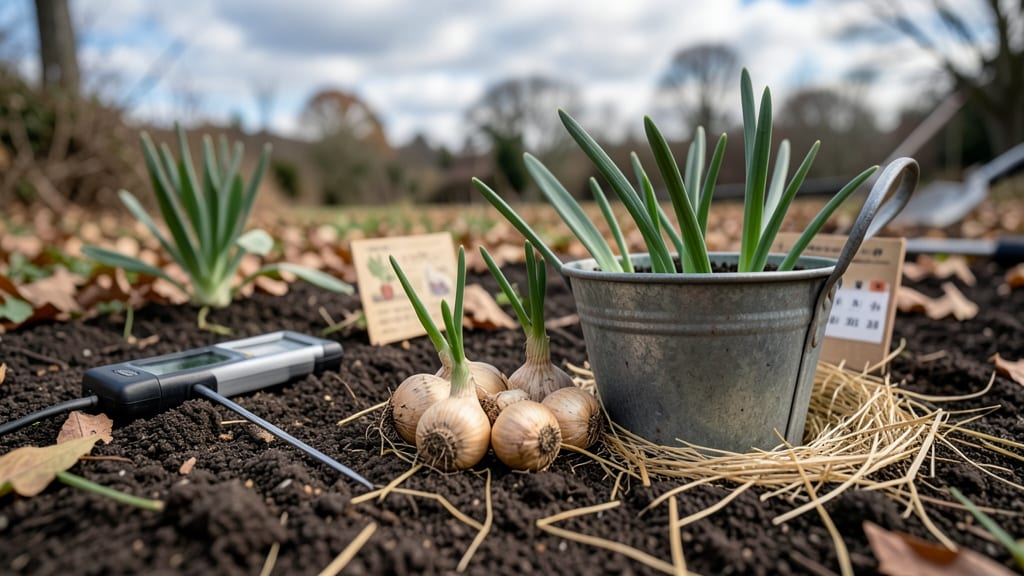
Planting daffodil bulbs in Missouri at the wrong time could mean waiting another year for those cheerful 🌼 blooms to brighten your spring garden. The key to success? Timing it perfectly between September and November, when soil temperatures drop but frost hasn't arrived yet.
Missouri's 5b-6b climate gives you a 6-week window before hard frost hits—usually around mid-October. Plant too early, and your bulbs might sprout before winter sets in. Too late, and frost can damage them before they establish roots.
I'll break down exactly when to plant for your specific Missouri location, how to prepare your soil, and which daffodil varieties thrive best in our climate. With these simple steps, you'll be well on your way to a garden bursting with color next spring.
Let's dive into the secrets that will help your daffodil bulbs take root strong and bloom beautifully—no matter where you are in the state. You'll learn how to check soil conditions, adjust for early freezes, and even choose the best varieties for your yard.
Best fall planting window for Missouri daffodils (with frost-date map)
Missouri’s USDA Zones 5b-6b demand precise timing for daffodil bulbs—plant too early, and they’ll rot; too late, and frost kills them before blooming. The 6-week window before hard frost (typically mid-October) is your golden opportunity.
For St. Louis, that’s September 20–October 15, while Kansas City gardeners should aim for October 1–15.
Soil temperature is your secret weapon: daffodils need 40–50°F soil to root before winter. Use a soil thermometer to check—if temps drop below 50°F, delay planting until conditions stabilize. Missouri’s clay-heavy soils also slow warming, so account for 1–2 extra weeks in northern counties like Columbia.
Pro tip: Check the National Weather Service’s frost predictions for your county. For example, Southeast Missouri (like Cape Girardeau) can plant 2 weeks later than Northeast Missouri (like Kirksville) due to microclimates. Adjust your schedule accordingly to avoid frost-killed blooms next spring.
🌱
| Missouri Region | Ideal Planting Window | Soil Temp Goal | Key Adjustment |
|---|---|---|---|
| St. Louis (Zone 6a) | September 20–October 15 | 45–50°F | Plant by October 10 for best results |
| Kansas City (Zone 5b) | October 1–15 | 40–45°F | Use mulch to protect early plantings |
| Columbia (Zone 6b) | September 25–October 20 | 45–50°F | Wait for soil to warm post-Labor Day |
| Southeast MO (Zone 7a) | October 10–25 | 50–55°F | Later frost dates allow extended window |
| Northeast MO (Zone 5a) | September 15–October 5 | 40–45°F | Early frost risk—prioritize early planting |
Missouri’s variable weather can throw off even the best-laid plans. If your area experiences an early frost warning (like the 2022 Halloween freeze), rush to plant by October 1—even if soil isn’t ideal.
Daffodil bulbs are hardy to 20°F, but root establishment before frost is critical for next year’s blooms.
For container gardening, extend your window slightly—pots warm faster than ground soil. Plant 2 weeks later (e.g., October 15–30) in St. Louis and protect pots with burlap wraps if nights dip below 30°F. Just ensure containers have drainage holes to prevent bulb rot.
Missouri gardeners often ask: Can I plant daffodils in December? The short answer: Only in Zone 7a (southern MO). For Zones 5b-6b, December planting risks frost heave (bulbs pushing out of soil) or insufficient root growth.
If you miss fall, wait for early spring (March)—but expect smaller blooms the first year.
🌿
To maximize success, pair your planting with mulching. Apply 2–3 inches of straw or shredded leaves after planting to insulate bulbs and retain moisture. In clay-heavy soils (common in Central MO), mix in compost or sand to improve drainage—daffodils hate soggy roots.
💡Missouri Pro Tip: Mark your planting date on a garden calendar and note the first frost date from the Missouri State Climatologist. Aim to finish planting 6 weeks before that date. For example, if frost hits November 1, your last planting day is
How to prepare Missouri soil for daffodil bulbs (layering, drainage & fertilizer)
Missouri’s clay-heavy soil can be a daffodil’s worst enemy unless you take the right steps. These bulbs thrive in well-draining, slightly acidic soil (pH 6.0–7.0), so don’t skip soil prep—it’s the secret to vibrant blooms next spring.
Start by testing your soil’s pH with a simple kit from your local garden center.
If your soil tests too alkaline, mix in peat moss or compost to lower the pH naturally. For heavy clay soil, add a 2–3 inch layer of organic matter like compost or well-rotted manure.
This improves drainage while feeding the bulbs as they root. Work it into the top 6–8 inches of soil where you’ll plant.
🌱 Step-by-Step Soil Prep for Daffodils
- Test soil pH: Aim for 6.0–7.0 (use vinegar or baking soda test if no kit).
- Amend clay soil: Mix in 2–3 inches of compost or peat moss to loosen texture.
- Improve drainage: Add a 1-inch sand layer (if soil is extremely dense) at the bottom of planting holes.
- Fertilize lightly: Use a balanced 10-10-10 fertilizer (1 tbsp per bulb) at planting time.
- Mulch after planting: Apply 2–3 inches of straw or shredded leaves to retain moisture.
When planting, dig holes 6–8 inches deep—this mimics the bulb’s natural winter dormancy layer and prevents rot. Place each bulb with its pointy end up and roots down, spacing them 4–6 inches apart for dwarf varieties or 6–8 inches apart for standard types.
This spacing gives roots room to spread without competing for nutrients.
Missouri’s winter freezes can stress newly planted bulbs, so a thick mulch layer (2–3 inches) after planting acts as insulation. Use straw or shredded leaves—they break down slowly and improve soil structure over time. Avoid using grass clippings, as they can compact and suffocate the bulbs.
After planting, water deeply but infrequently. Daffodils store moisture in their bulbs, so overwatering leads to rot. Aim for 1 inch of water per week (including rainfall) until the ground freezes. Once snow covers the garden, you can reduce watering—nature takes over!
Skip fertilizing in the first year, as fresh bulbs need to establish roots before blooming. Wait until early spring (March) of the second year to apply a light fertilizer (like 5-10-10) to encourage strong foliage growth. Healthy leaves = more next-year blooms!
Pro tip: If your Missouri garden has poor drainage, consider planting daffodils in raised beds. The elevated soil warms faster in spring and drains excess water, giving you earlier and healthier blooms every year. 🌼